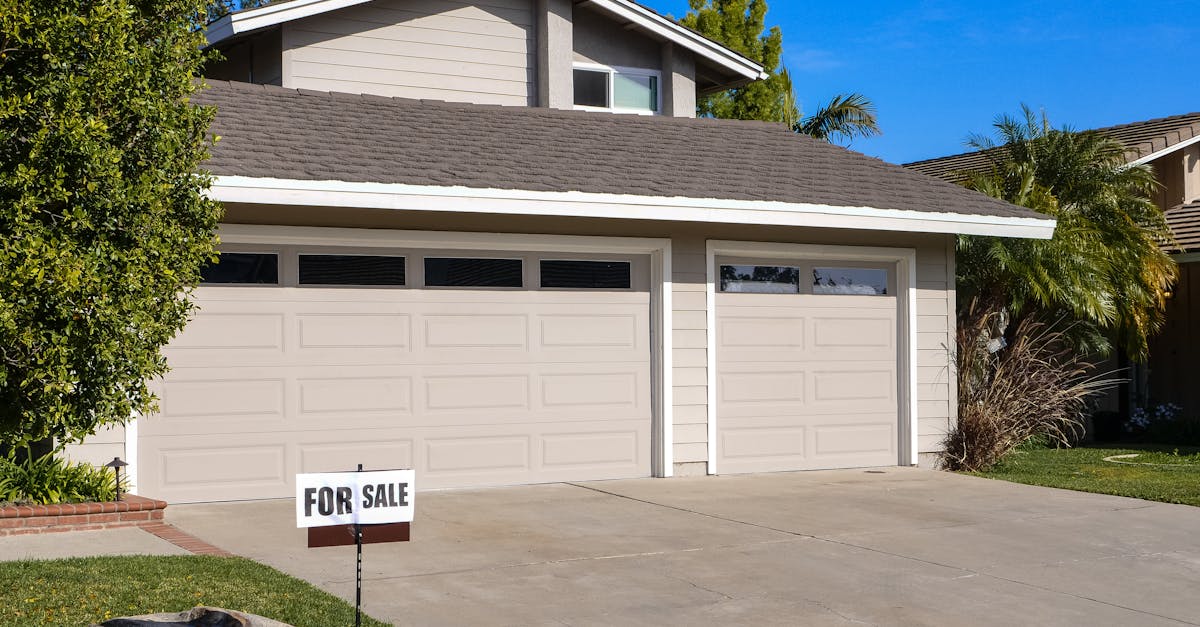
$400,000 is the new median home price in the U.S., a figure that has doubled over the last decade.
As the Federal Reserve continues to wrestle with inflation, this steep rise in home prices compounds the challenges faced by potential buyers. The dramatic surge from a median of $200,000 a mere ten years ago illustrates not just increased demand but also systemic issues like inventory shortages.
Homes Become a Scarce Commodity
The National Association of Realtors reported that existing home sales fell to a seasonally adjusted annual rate of 4.07 million in August—a steep decline of 18.9% year-over-year. With interest rates hovering around 7.5%, affordability has plummeted. Many first-time buyers are effectively priced out of the market, forced to seek rental options or delay homeownership entirely.
Rental Markets React
As potential homeowners retreat, rental markets tighten considerably, pushing up prices nationwide. The U.S. rental index showed a year-over-year increase of 7.3%, with urban centers such as New York and Los Angeles experiencing even sharper hikes. For individuals and families reliant on rental housing, more than 30% of their income is now spent on housing, pushing many into precarious living situations.
Interest Rates and Demand Dynamics
Rising interest rates have shifted the balance of power in the housing market. Homebuyers who might have considered floating-rate mortgages at lower rates are hesitating amid fears of even further rate increases. The Fed’s stance, aimed at controlling inflation, is presenting dual challenges; while it aims to cool demand, it indirectly elevates barriers to entering the housing market.
Investing in Rental Properties
For those with capital, the current environment also presents a unique investment opportunity. Despite rising prices, rental yields in markets where prices have been slow to increase remain attractive. Investors looking for long-term gains are diversifying portfolios in secondary markets—cities that haven’t yet faced the fever pitch of primary metropolitan areas.
The Ripple Effects on Communities
With increasing barriers to homeownership, the demographic shifts are palpable in many neighborhoods. A recent report from the Urban Institute suggests that younger generations are less likely to own homes, reshaping communities that have traditionally been homeowner-centric. This shift might lead to a reliance on transient populations for local businesses, impacting community stability.
Future Outlook
As the Fed signals intentions to hold interest rates, the housing market may be in for more turbulence. Homebuilders, who initially ramped up constructions to meet demand, are now grappling with rising materials costs and declining buyer activity.
Potential buyers need to adapt to a landscape defined by rising prices and interest rates, while renters face increased costs and limited options. The interplay between interest rates, housing prices, and rental demand will continue to evolve, affecting personal finances and broader economic conditions.
By keeping an eye on inventory levels and interest rate announcements, stakeholders can navigate this fluid market with greater insight.