Striking Changes in Labor Productivity
A recent analysis reveals that U.S. labor productivity saw a sharp increase of 3.7% in recent quarters, a notable rebound from a decline of 1.1% recorded the previous year. This surge, measured across nonfarm business sectors, reflects the ongoing adjustments businesses are making in response to a dynamic economic landscape fueled by technological advancements and changing workforce dynamics.
Beyond Borders: Where Do We Stand?
The United States is making strides, but the growth in productivity has raised eyebrows compared to other developed economies. In Japan, labor productivity increased by only 1.5%, while Germany’s performance mirrored that with a 1.6% rise. Conversely, nations such as Canada reported more pronounced growth levels of around 4.5%. With inflation sitting at 2.4% as of early February, many American firms are leaning into increasing efficiency in an effort to maintain profit margins without passing excessive costs onto consumers.
Firm Insights Fueled by a Tight Labor Market
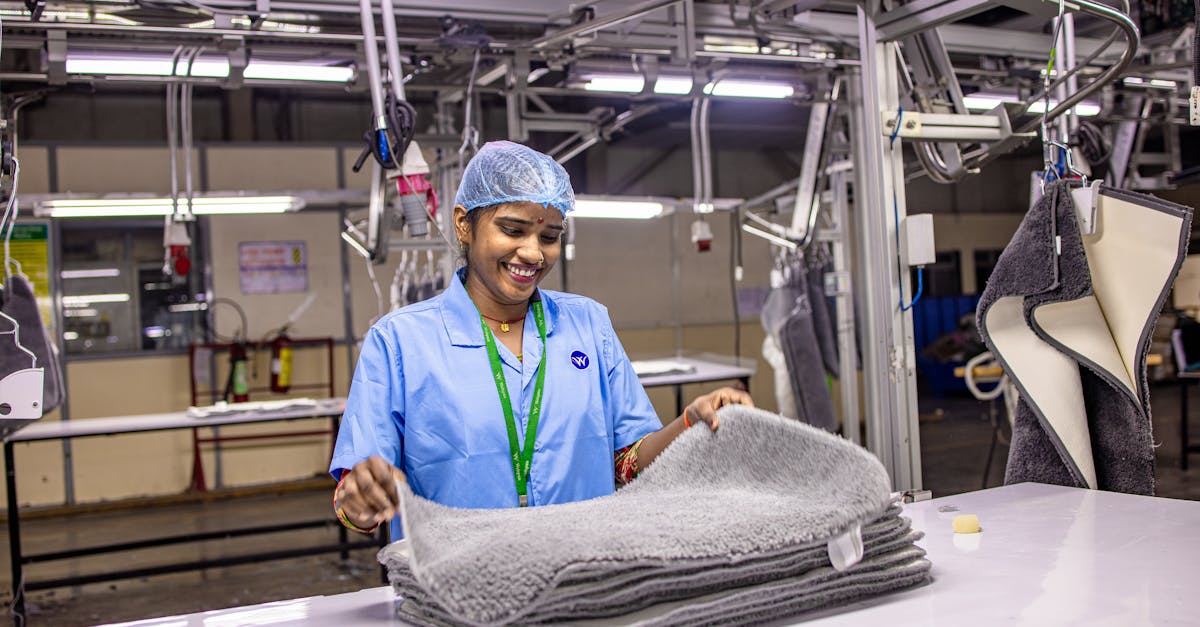
Strikingly, the unemployment rate sits at 4.4%—a low figure that forces companies to reevaluate their workforce management strategies to keep up with demand. In this tightening labor market, firms are investing in automation and innovative practices to maximize output per hour worked. The drive to enhance productivity is not merely a matter of survival but a calculated strategy for sustainable growth amidst increasing operational costs, particularly with interest rates now pegged at 3.64%.
Navigating Economic Paradoxes
Despite the apparent productivity gains, the underlying economic conditions convey a more complicated scenario. The adverse effects of inflation and elevated borrowing costs are tightening the purse strings of both consumers and businesses. Higher interest rates have the potential to stifle investment in productivity-enhancing technologies, leading to a paradox where immediate gains are overshadowed by long-term uncertainties. Business leaders are left weighing the benefits of expanding capital expenditure against the specter of shrinking market demand.
Adding Layers to the Productivity Puzzle
Delving deeper, sectors such as manufacturing have shown resilience, with productivity growth increasing by 4.8%. In contrast, the service sector, a significant contributor to overall GDP, has felt the pinch more acutely, struggling to keep pace with changing consumer behaviors and expectations. Some analysts assert that while technology plays a crucial role, the human element cannot be overlooked, as the productivity boom also relies on effective talent management strategies and workplace culture.
The Road Ahead: Uncharted Territory
As the economic landscape continues to evolve, companies must adapt to external pressures while nurturing internal efficiencies. Moving forward, the interplay between rising interest rates and inflation will undoubtedly shape corporate investment strategies. Exploring avenues for productivity growth through innovation may become not just advantageous but essential for survival.
In a world of uncertainties, the quest for efficiency remains a beacon guiding businesses into the future, where productivity could very well define the next economic paradigm.