At the Forefront of Innovation
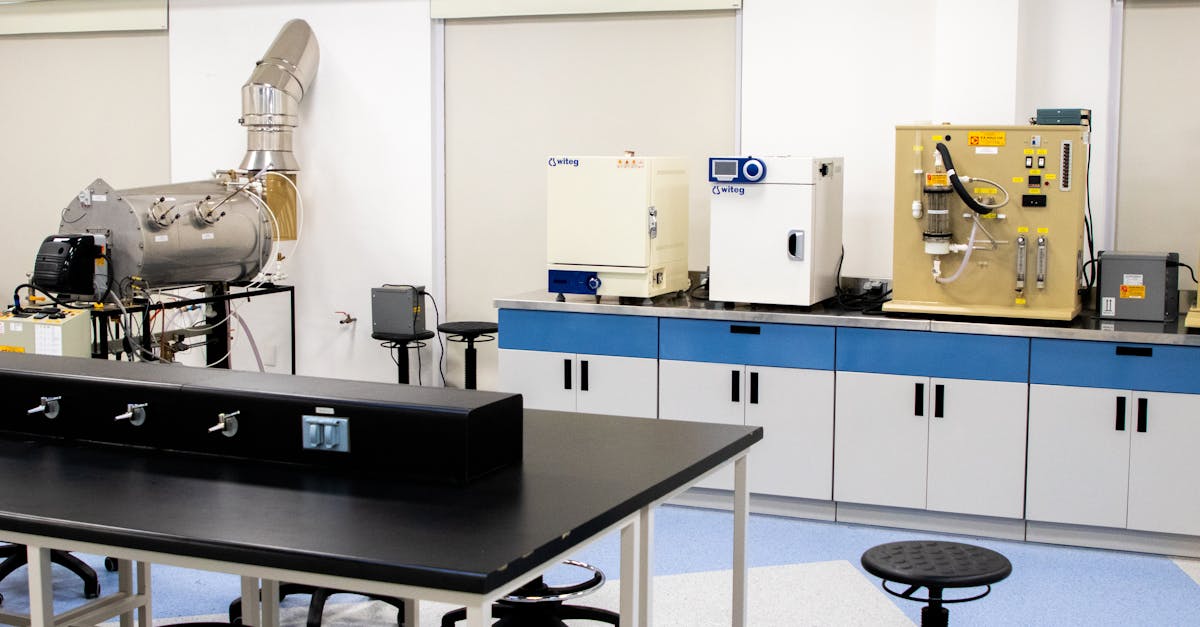
The United States is poised to assert its leadership in global research and development (R&D) investments, with a staggering $580 billion poured into the sector this year alone—a figure that surpasses the combined R&D spending of China and the European Union. This substantial financial commitment underscores a relentless pursuit of technological advancement, even as the economy grapples with inflation rates hitting 3.8% and an unemployment level of 4.3%.
R&D Dollars Paint a Bright Picture
Digging deeper into the numbers reveals that U.S. businesses and federal agencies have ramped up spending on R&D by approximately 7% compared to last year. The National Science Foundation confirms this upward trend as companies vigorously invest in innovation to boost productivity and streamline operations in a tightening labor market. Globally, the U.S. remains the dominant player, dedicating 3.3% of its GDP to R&D, a far cry from the 2.5% committed by China’s government or the 1.7% from the EU.
The Heart of the Matter: Federal Investments
Government funding plays a crucial role in this equation. The federal government has significantly increased its budget for R&D, adding nearly $37 billion to its allocations, thanks to initiatives aimed at spurring economic growth via innovation. The latest data shows that the National Institutes of Health (NIH) and the Department of Defense (DoD) are among the leading benefactors, directing funds towards health and defense technology advancements, respectively.
This strategic investment not only addresses immediate economic challenges but also lays the groundwork for future breakthroughs in industries ranging from healthcare to artificial intelligence. The push for resilience in supply chains and technological independence drives public funding, further catalyzing private sector contributions.
Workforce Considerations Amid Economic Pressures
Despite the robust R&D expenditure, the labor market presents a paradox. With a 4.3% unemployment rate, a notable segment of the workforce remains on the sidelines, raising questions about skill gaps and preparedness for high-tech roles. Employers are increasingly prioritizing workforce development, intending to create a talent pool capable of propelling innovation. Sectors such as renewable energy and advanced manufacturing are on the grind to attract workers with specialized skills, illustrating a crucial intersection of job creation and R&D focus.
As interest rates hover around 3.64%, financing for high-risk, high-reward innovations may face pressures. Nevertheless, many venture capital firms continue betting on startups that promise groundbreaking technologies, especially in green energy and biotechnology.
The Global Stage and Competitive Advantage
Innovation is a global race, and the U.S. stands on an uneven playing field with countries like South Korea and Germany, which invest impressively in R&D as a share of GDP. South Korea’s approximately 4.8% R&D spending indicates fierce competition in sectors such as electronics and automotive. With a stronger dollar further complicating the landscape by affecting export competitiveness, the U.S. must not only maintain its lead but also enhance it through strategic partnerships and international collaborations on innovation.
Peering into the Future
As the innovation landscape evolves, the partnership between public policy and private investment will pivot the U.S. economy towards a future rooted in technological leadership. Indeed, the quest for innovation amid economic uncertainties—driven by strategic investments and a resilient workforce—suggests a reimagined potential for advancing American ingenuity. What remains is a collective call to arms among policymakers and industry leaders to ensure that the foundation built today will support the breakthroughs of tomorrow.