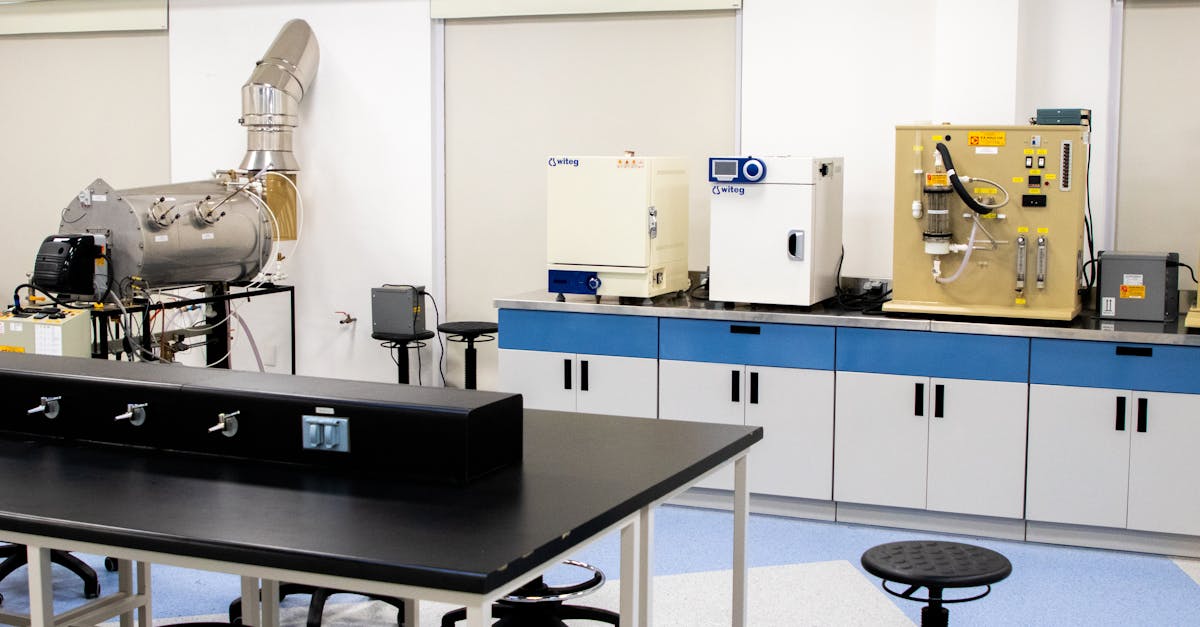
A Boon in R&D Spending
U.S. research and development (R&D) investment reached a staggering $688 billion in 2023, an increase of 10.1% from the prior year. This phenomenal growth outpaces most OECD countries, with the U.S. now spending approximately 3.4% of its GDP on R&D. For context, Germany, often lauded for its engineering prowess, allocated around 3.1% of its GDP. China remains a formidable competitor, surpassing the 7% mark in R&D spending as a percentage of GDP, yet the sheer scale of U.S. investment reflects a resilient commitment to innovation.
Innovation Ecosystem Flourishing
Venture capital funding in the U.S. not only sustains but accelerates this upward trajectory. In 2023, the American startup ecosystem attracted over $150 billion in venture capital, accounting for roughly 53% of global totals. This inflow of cash has powered breakthroughs in biotechnology, artificial intelligence, and clean energy technology. Recent reports indicate a surge in the number of patents granted, reaching over 600,000 — a solid indicator of robust innovation activity.
Labor Market Dynamics
The landscape of employment in technology and R&D sectors remains vibrant, with the unemployment rate above the national average at 4.3% as of May. Despite perceptions of a tightening labor market, high demand for skilled professionals persists, especially for roles in STEM fields. The Bureau of Labor Statistics indicates that job openings in tech-related sectors have remained resilient, with growth rates well above average across various industries.
Inflation’s Shadow
Inflation, as measured by the Consumer Price Index, stands at 3.8%, presenting a double-edged sword for R&D. While it pressures corporate budgets and consumer spending, it has also stimulated increased R&D investment from companies seeking long-term product differentiation in a costlier landscape. This environment has compelled firms to innovate, resulting in the launch of novel products that promise to reduce costs and enhance efficiency.
Federal Support and Future Trajectories
Government spending on R&D has also witnessed significant increases, driven largely by recent legislative measures to promote technological independence and sustainability. Provisions under the CHIPS Act and Inflation Reduction Act are poised to infuse billions into semiconductor manufacturing and green technologies. The Federal Reserve, despite a backdrop of interest rates at 3.63%, remains supportive of policies that stimulate growth in high-tech sectors, recognizing innovation as the cornerstone of pandemic recovery.
A Complex Global Landscape
Internationally, countries are stepping up efforts to bolster their R&D capabilities. The European Union has committed €95 billion to its Horizon Europe program, while India is channeling investments into digital infrastructure and research initiatives. The competition is fierce, and as global supply chains recalibrate post-pandemic, the capability to innovate swiftly and sustainably could define economic leadership for decades.
Navigating the Future
While the current landscape of R&D in the U.S. is filled with promise, it’s essential to recognize the inherent volatility of innovation cycles. The dual pressures of geopolitical tensions and the race for technological supremacy underscore the need for ongoing investment and strategic foresight. The apparatus of U.S. innovation, buoyed by legislation and corporate ambition, stands ready to meet the challenges ahead, but sustaining this momentum will require not just financing but also a coordinated effort between the public and private sectors.
As we move towards an increasingly interconnected world, the narrative of U.S. innovation will continue to unfold, shaped by both local ingenuity and the global landscape.