The Inflation Paradox
Consumer prices have a curious way of playing tricks on perceptions. As of February 1, inflation sits at a respectable 2.4%. For many, this figure brings to mind stability, a lack of volatility reminiscent of the pre-pandemic era. However, within this seemingly benign number lies a deeper, more unsettling reality: varied impacts across socioeconomic and geographic landscapes.
Expectations vs. Reality
Inflation hitting 2.4% suggests a balanced economy, but dig a little deeper, and the contrast between expectations and reality becomes glaring. For instance, housing prices in many metropolitan areas have ballooned; thus, while the overall inflation rate stays controlled, housing costs in places like San Francisco or New York have spiraled out of control—often outpacing wage growth in these markets. According to the Bureau of Labor Statistics, rents in urban zones surged nearly 7% last year, starkly contrasting the moderated inflation figure.
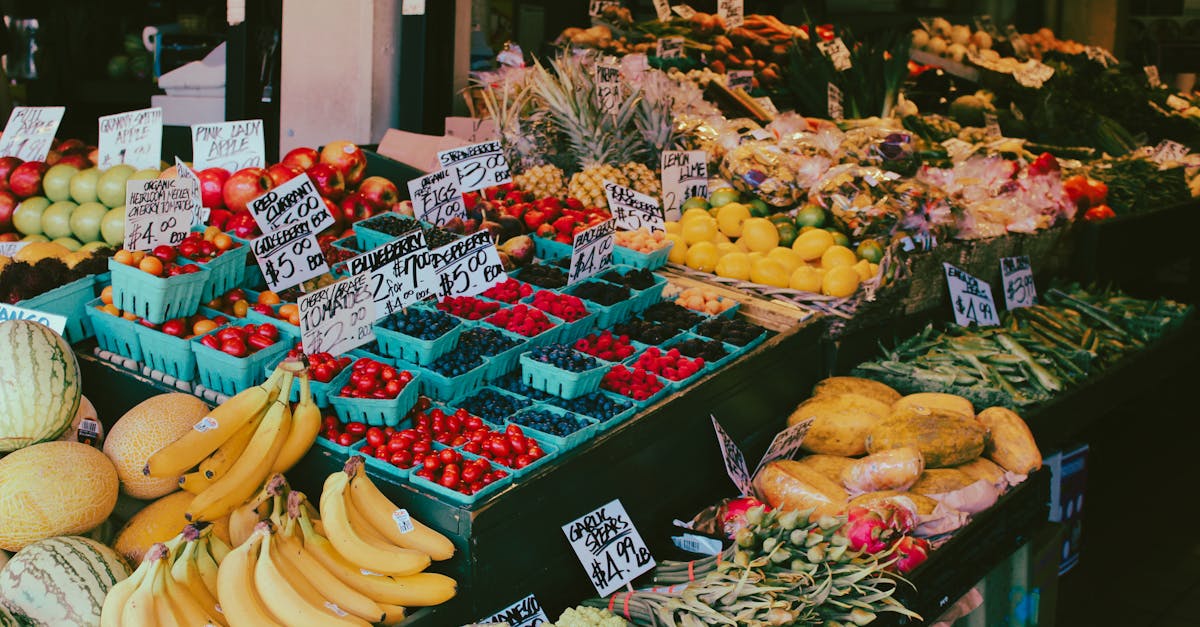
This dissonance isn’t confined to just real estate. Grocery store prices have risen significantly—a monthly average of 4% in the past year, yet this is often obfuscated by the overarching inflation number. The food insecurity arising from these price inflation challenges begs the question: who exactly is benefitting from the perceived stability?
The Hidden Trends Revealed
Beyond the headlines that trumpet a controlled inflation rate lies a more disturbing trend that isn’t garnering the same media attention. Certain consumer segments are experiencing price increases far above 2.4%. For example, energy prices have shown resilience in their climb, with a near 9% increase year-over-year in many regions. This exacerbates financial strain on lower-income households, where around 30% of monthly expenditures are devoted to utilities and fuel costs—far exceeding the impact on wealthier families, whose spending might be less affected by oil and gas price fluctuations.
These rising costs force tough decisions—prioritizing energy bills over healthcare or education, which further erodes social mobility and compounds wealth inequality. Coupled with stagnant wages in many sectors, especially in service and retail, the promise of 2.4% inflation begins to feel like a pointedly elitist statistic, favoring higher-income households and exacerbating disparities.
Timing the Market: Winners and Losers
Inflation also creates a peculiar environment for businesses. While some sectors thrive—such as the tech industry adept at passing costs onto consumers—others, particularly small and medium enterprises, struggle to maintain profitability amid rising input costs. Flexibility is the name of the game, yet many cannot adapt quickly enough to shifting economic parameters dictated by inflationary pressures. Companies reporting smaller profit margins reveal a significant issue brewing beneath the surface: an economy where the winners are primarily large corporations and those well-positioned to adapt, while the losers become the small business owners forced to make painful cuts.
Global Perspectives: A Comparative Lens
Looking beyond U.S. borders, nations like Germany and Japan are grappling with conversations bordering on deflation, with markets struggling to stimulate demand. Here, the narrative of inflation seems almost enviable, but the U.S. should be wary. Echoes of an overly inflated asset bubble can be heard, potentially destabilizing both domestic and international markets. Given the interconnected nature of global economies, a runaway imbalance could propel risks to economic stability both at home and abroad.
A Crossroad Awaits
As inflation keeps its precarious hold at 2.4%, the contrasts become sharper and the questions more pressing. What happens when the masks of stability fall away? This calculated figure is a veneer that masks the varied and intense experiences of Americans. In this inflationary environment, where certain pockets of the economy thrive while others falter, how should policymakers respond to ensure a truly equitable recovery? Are we on the brink of a decisive fork in our economic journey, where the implications of inflation will reverberate through communities for years to come?