The Paradox of Inflation and Economic Resilience
At first glance, a 3.8% inflation rate in April 2026 may seem manageable, a moderate number suggesting a recovering economy. Many would expect households to celebrate at this stage in the economic recovery. Yet, beneath this surface, an unsettling contradiction unfolds: while some sectors rebound vigorously, wild swings in consumer prices betray underlying fractures that few seem keen to discuss.
Disparities in Price Increases: A Tale of Two Economies
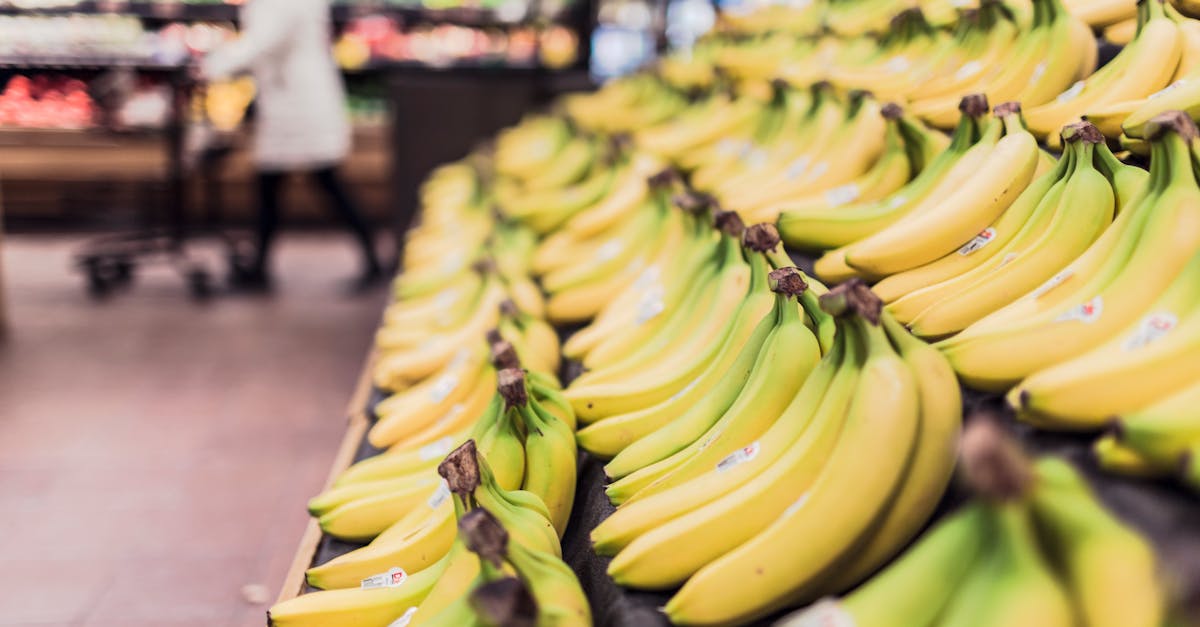
To understand the complexities, one only has to look at recent consumer price index data. Durable goods, including appliances and vehicles, have demonstrated a robust recovery, with prices increasing markedly as supply chain bottlenecks ease. In stark contrast, food prices and housing costs continue to suffocate many American families. The price of essentials has risen significantly, pressuring budgets that are already stretched thin. For instance, while the overall inflation figure hovers around 3.8%, the cost of groceries has soared by nearly 5% over the same period.
This disparity raises the question: are we really in a recovery phase, or merely witnessing an uneven recovery where corporations thrive while the average consumer grapples with escalating costs? Beyond borders, countries like Germany are experiencing lower inflation—reportedly around 2.5%—indicates that a stronger European economic environment may ease pressures that Americans still feel acutely.
Unseen Trends: The Squeeze on the Middle Class
An often-overlooked element is how inflation disproportionately affects different income brackets which is lurking behind the headlines. The middle class, once the backbone of the U.S. economy, faces a tightening squeeze. Total compensation for leisure and hospitality saw an increase of 6% year-over-year, but that’s not necessarily indicative of a more affluent lifestyle if the purchasing power of wages is compromised by rising prices. In 2026, the inflation-adjusted income for many workers in the sector still lags, failing to keep pace with inflation trends.
Moreover, the latest data from the Federal Reserve indicates that low-income households prioritize food and energy, two categories that have outpaced general inflation rates. Policies aimed at taming inflation often focus on interest rate adjustments, but these measures can inadvertently stifle growth in areas where it is needed most, yielding winners in Wall Street, yet leaving Main Street gasping.
Shifting Expectations Amidst Reality
Consumers enter a paradoxical mental state as they strive for equilibrium in their financial planning. As the Federal Reserve signals possible future rate hikes in response to persistent inflation fears, there lies a tension in expectations versus reality on Main Street. While sending a message of a tightening monetary policy, rising interest rates could escalate borrowing costs and slow economic progress, leaving many small businesses in limbo. What choice do families have when the essential elements of life, like insulin for diabetics or heating oil in winter, remain out of reach for an alarming portion of the populace?
The response from Washington appears tepid and reactive rather than anticipatory, as policymakers grapple with the shortcomings of inflationary measures while consumer sentiment continues to wane.
The Decisive Fork: What Lies Ahead?
As the economy twists and turns through this inflationary trial, questions loom larger than answers. Seeking clarity amidst the chaos, one must ask: can we redefine the measures of success in an economy where price dynamics potentially favor well-capitalized sectors, while exposing vulnerabilities in everyday necessities? Or is the gamble of lofty inflation rates simply unfolding a new type of economic reality where not all recoveries are created equal?
The path ahead, fraught with uncertainty and asymmetry, beckons deeper inquiry as it amplifies the question of whether today’s economic strategies will adequately serve the diverse populace that relies upon them to thrive.