A Surprising Silence Amid Rising Prices
As inflation rises to 3.8% — a figure that resonates across local news headlines and dinner table conversations — one would expect consumers to be clamoring for clarity. Yet the story unfolding appears almost muted, with conflicting experiences woven into the very fabric of economic life in the United States. While some sectors enjoy a plethora of benefits, others languish under the weight of relentless price hikes, leaving a complex tapestry of economic winners and losers.
Contrasting Realities: Service vs. Goods
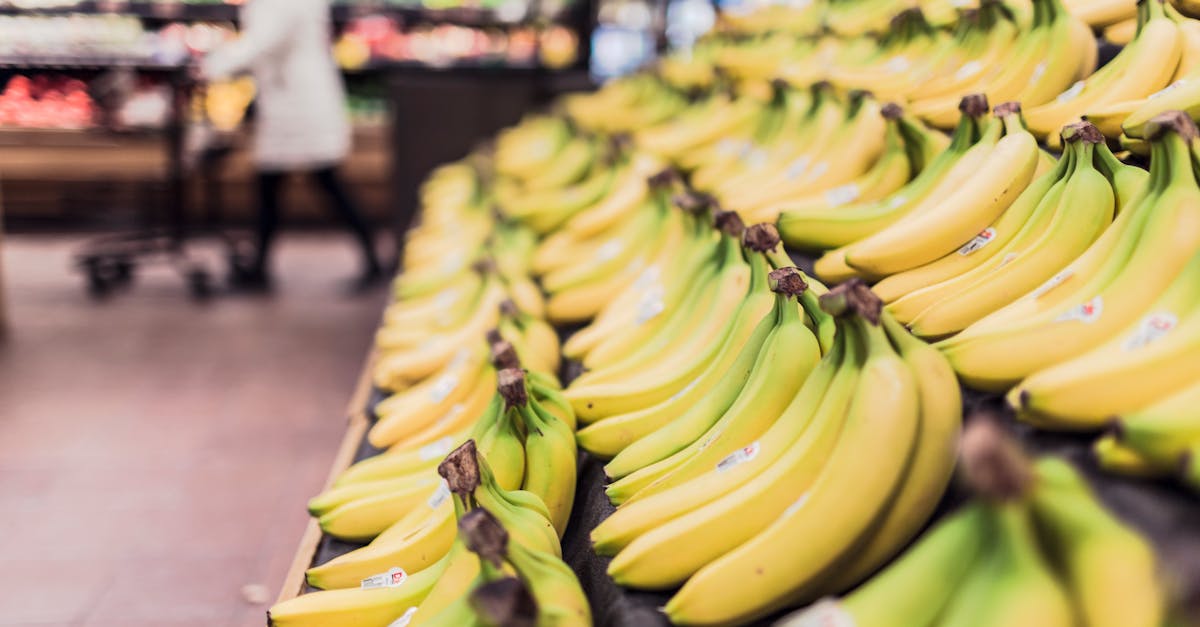
The latest stats show that inflation impacts not all consumers equally. Consider the services sector; where airfares and dining out costs have surged dramatically, prices in full-service restaurants jumped by nearly 6% over the past year. Meanwhile, the price index for consumer goods has been considerably more stable, giving an illusion of normalcy to retail shopping trips. Shoppers flocking to grocery stores are experiencing fewer price shocks compared to those deciding between upscale dinners and takeaway.
But beneath this disparity lies an unsettling contrast. While the wealthy can often insulate themselves from inflationary pressures with choices of luxury or premium products, lower-income households feel the squeeze intensely. Essential goods, particularly groceries, have seen their costs swell, from milk to bread. Lower-income families are battling a higher rate of inflation in items they cannot avoid. It raises a jarring question: Is the economy truly improving if only a fraction can partake in the recovery?
Homeowners vs. Renters: A Ticking Time Bomb
Another layer of this inflation discourse is revealed when examining housing. The real estate market has shown fierce resilience, evidenced by a perennially strong increase in home prices, posing a considerable advantage for homeowners. The Federal Reserve reported national home prices up more than 10% from the previous year. Homeowners revel in newfound equity, leveraging their properties into financial cushions.
On the flip side, renters are caught in a quagmire. With rental prices skyrocketing, the average cost of rent has jumped nearly 8% over the past year in metropolitan areas like New York and San Francisco, according to BLS data. This disparity suggests a growing divide in access to housing stability and wealth accumulation, amplifying regional inequality and casting shadows over long-term social mobility.
Hidden Trends: The Underreported Strain on Mental Health
As consumer prices ripple through the economy, mental health impacts remain glaringly overlooked. The relentless barrage of inflation weighs heavily on consumer confidence, which the University of Michigan’s Consumer Sentiment Index has failed to recover substantially. Not only do individuals grapple with unaffordable prices, but the psychological toll of financial uncertainty is, too often, a secondary consideration.
Reports indicate that Americans are pulling back on spending across discretionary sectors, a subtle tapering that could imply more than dollars and cents — it reflects a crisis of confidence in future economic stability. The absence of headline coverage on this front reveals a disturbing disconnect; how can an economy be robust when its constituents are hesitant to invest in their well-being?
The Decisive Fork: What Path Will We Choose?
As the inflation debate continues, the United States faces a formidable choice: will we acknowledge and act upon the contrasting experiences of our citizens, or will we normalize a narrative of recovery that signals prosperity for some while sidelining many? The widening gap between sectors, regions, and wealth classes fuels questions about the sustainability of the current economic climate.
In an era defined by inflated prices but varying responses, how will policymakers balance the scales? What measures will be taken to ensure that recovery does not become a luxury afforded only to a select few? The answer to these questions could fundamentally reshape the American economic landscape.