A Surprising Inflation Landscape
As inflation hovers at 3.8%, one might expect economic anxiety to grip consumers. Yet, amidst this persistent rise in prices, consumer confidence has exhibited surprising resilience. How do we reconcile inflationary pressures with a seemingly stable public sentiment? To navigate this paradox, a deeper examination into the broader economic fabric is essential.
Expectations Battered by Reality
Consider the real estate sector versus technology. Home prices continue to surge, complicating affordability as mortgage rates hover uncomfortably above 7%. A recent report from the Federal Reserve indicates that a lack of inventory has kept prices high even amid talk of an economic slowdown. This paints a stark picture: while potential homeowners are disillusioned by escalating costs, the housing market remains a bastion of profit for existing homeowners and developers.
In contrast, technology firms—many of which expanded aggressively during the pandemic—are now grappling with a rebound in inflation impacting their operational budgets. Some giants are facing headwinds from rising component costs, largely driven by ongoing supply chain disruptions and geopolitical tensions in key manufacturing regions. Here lies a distinct tension between sectors; real estate stands to benefit from sustained inflation, while tech companies are under growing pressure to manage tighter margins.
What the Headlines Overlook
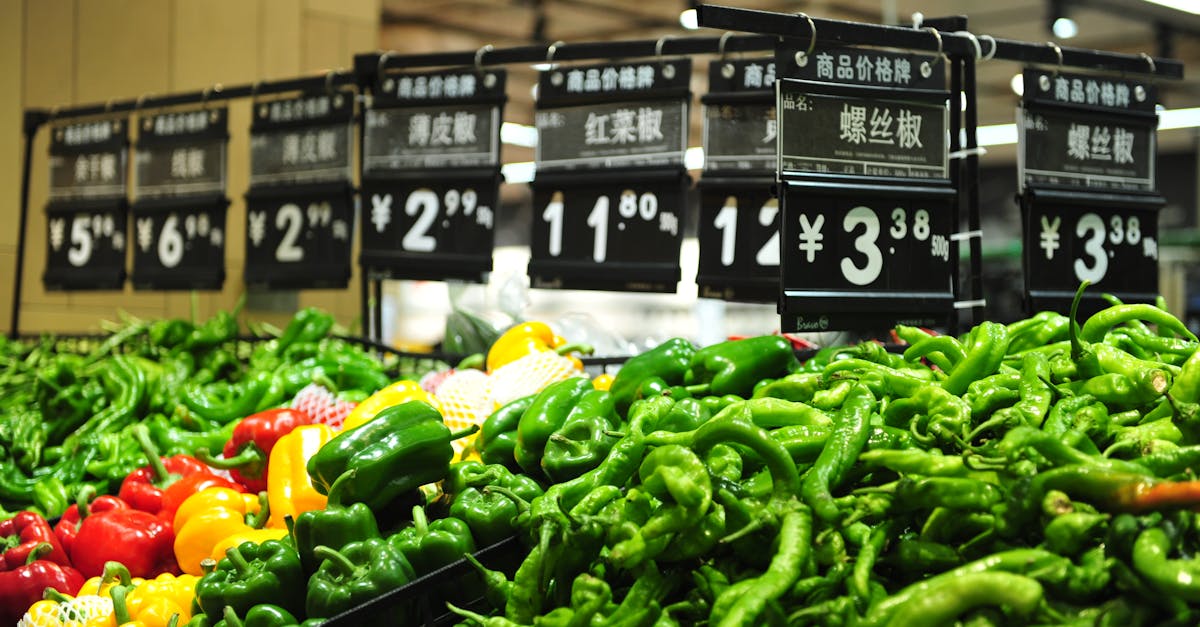
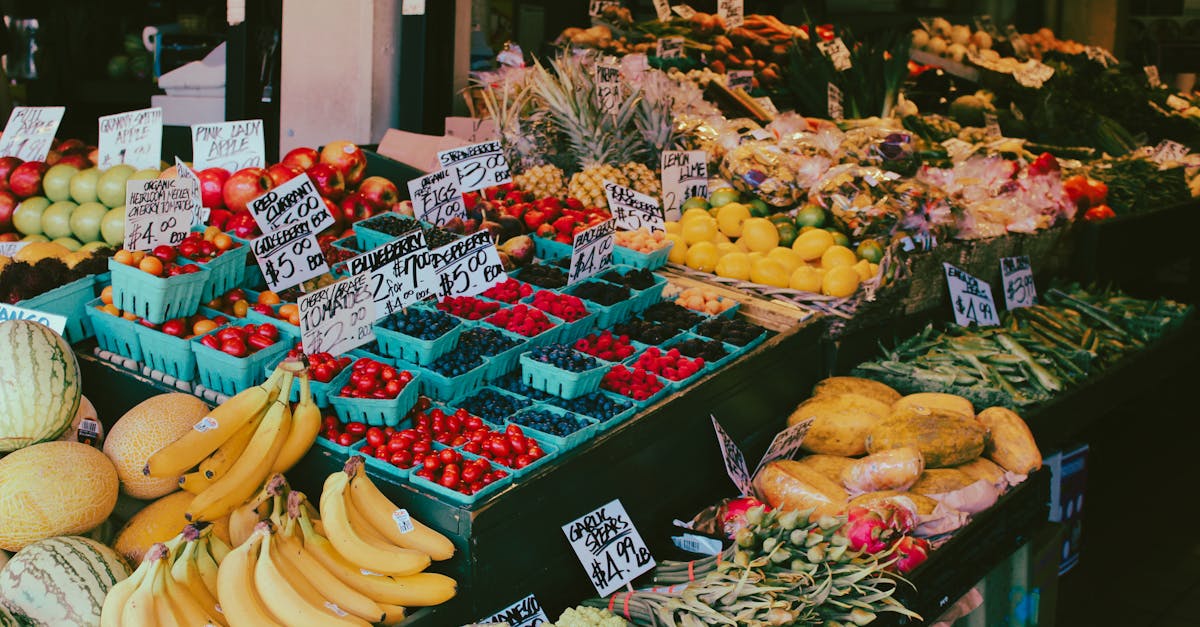
Buried beneath eye-catching inflation numbers are the quieter stories of essential goods. For instance, food prices have swelled significantly, illustrating an exceptional strain on lower-income households. According to BLS figures, prices for food at home climbed over 5% just this past year, undermining disposable income for many consumers.
Meanwhile, sectors that offer inflated prices yet maintain luxury appeal—such as high-end fashion and artisanal products—contradict the narrative of general hardship. Wealthier consumers appear insulated, adjusting their spending habits while still indulging in premium items. This divergence between socioeconomic strata begs questions about equity and the long-term ramifications of inflation disproportionately impacting the lower and middle classes.
Global Comparisons: An Uneven Playing Field
Looking internationally, a curious picture emerges. In countries like Germany, inflation rates are stabilizing below 3%, largely due to aggressive energy policies and effective supply chain management. In contrast, the U.S. struggles with its geopolitical energy dependencies, leading to higher gas prices and subsequent spikes across various sectors. This disparity raises a crucial inquiry: are American consumers utterly at the mercy of global economic forces, or can domestic policy shifts create a more resilient economy?
The Questions Left Unanswered
The current inflation scenario in the U.S. starkly illustrates a polarized narrative, where some sectors thrive, while others falter under weighty economic burdens. As consumers wrestle with the pressures of rising fundamental costs, the differential impacts expose fractures in the American economic landscape. What strategies can be deployed to ensure a more equitable distribution of economic growth?
At this crossroad, striking changes may lie ahead. The question becomes: will the forces of policy reform, global influences, and shifting consumer behaviors conspire to either alleviate the pressures of inflation or exacerbate the existing divides? Such scrutiny could pave the way toward either promising solutions or exacerbated challenges in the months ahead.