A Puzzle of Price Stability
The latest inflation rate of 2.4%, as reported by the Bureau of Labor Statistics, feels like a sigh of relief amidst the stormy economic winds of prior years. Yet, for many consumers across the United States, this figure does not resonate as a universal truth. Within this single number lies a composite fabric of winners and losers, where not all regions or sectors dance to the same economic tune.
Inflation - A Surface-Level Assessment
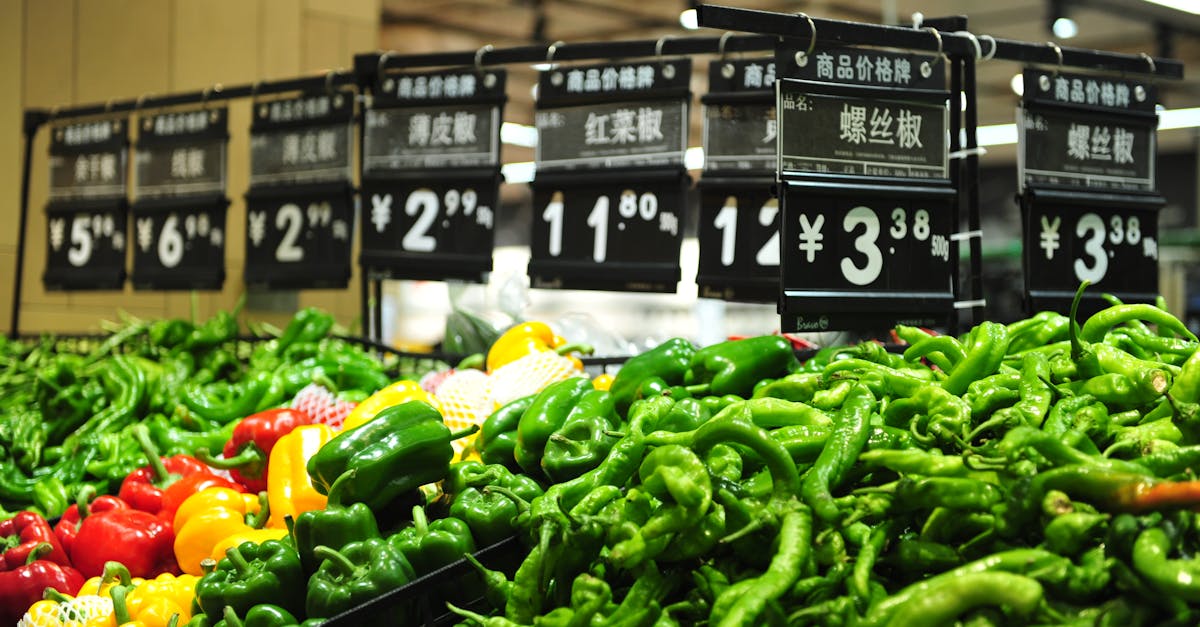
Looking at the surface, many might have anticipated a more robust recovery from the deep grip of COVID-19 inflationary pressures. However, expectations painted a rosy picture that often clashes with the stark reality on the ground for American families. While categories such as clothing and transportation have experienced price declines, other essential sectors like food and housing continue to wear the inflation crown, driving wedges into household budgets. The Consumer Price Index indicates a 13% increase in food prices since prior to the pandemic, which sharply contrasts with the growth in disposable incomes.
The Forgotten Segments
Beneath the headlines of a moderate inflation rate lurks a disconcerting trend not often discussed. Lower-income households, which allocate a larger share of their budgets to necessities, are disproportionately impacted by rising costs in essentials such as groceries and rent. Meanwhile, higher-income segments, buoyed by asset appreciation and a booming stock market, enjoy a sense of comfort — their inflation-adjusted incomes allowing them to thrive even as prices rise elsewhere. This divergence suggests a growing rift within the socio-economic landscape, whereby the inflation rate as an average fails to capture the lived experiences of millions.
Perils Abroad: A Global Comparison
In contrast to other advanced economies, the US has seen comparably restrained inflation pressures. Eurozone inflation rates hover around 5.5%, driven by regional tensions and energy crises, while Japan grapples with a decades-long battle against deflation. The unique dynamics of supply chains, labor markets, and monetary policy in the U.S. have sheltered many consumers from harsher price shocks seen abroad. But this distinction is a double-edged sword — while American households celebrate relative stability, underlying economic disparities are festering, exacerbated by inflation’s uneven burden.
The Fork in the Road: Where Do We Go from Here?
As the Federal Reserve contemplates its next moves on interest rates, America stands at a decisive fork. Will policymakers intervene with aggressive rate hikes to further tame inflation, potentially squeezing the middle and lower classes further into financial strain? Or can they sustain this delicate balance, allowing the economy to absorb inflation without triggering deeper economic fissures? The questions loom larger than the 2.4% headline number, as American consumers navigate an increasingly complex economic environment shaped by divergent experiences and expectations.
Amid the numbers and forecasts lies the stark realization: the landscape of inflation isn’t merely about overall percentages. It’s a fragmented reality where the burdens of inflation are becoming starkly apparent. Who will bear the brunt when the dust settles?