A Reveal of Diverging Realities
Surprisingly, as inflation clocks in at 4.2%, many consumers report feeling a greater squeeze than the numbers might suggest. While the headline figure projects a controlled economic environment, the lived experiences of Americans unveil a more complex picture. It’s one thing to read about an average inflation rate, but another entirely to navigate an economy where the cost of essentials like groceries and energy is outpacing general inflation. In stark contrast, luxury goods and tech sectors enjoy clean profit margins.
Expectations vs. the Everyday
The Federal Reserve’s aggressive interest rate hikes, a tool designed to quell rising prices and stabilize the economy, suggest one narrative: a necessary measure to level the inflation playing field. But consider how this reality is playing out across different demographics: lower-income households are struggling more than ever as rent and food prices escalate. In the same period, the affluent may see their investments thrive, using higher interest rates to their advantage in a crowded stock market. Such disparity raises questions: are the very measures meant to foster economic stability systematically benefiting the haves over the have-nots?
A quick glance at the Consumer Price Index (CPI) reveals a tough reality; while the overall inflation rate sits at a relatively manageable level, subcategories tell a story of chaos. The food index climbed by 6.5% year over year, while energy costs surged by an astounding 14%. Conversely, sectors like information technology report significantly smaller price increases, showcasing a bubble where time and consumer needs have created winners and losers.
What Lurks Beneath the Surface
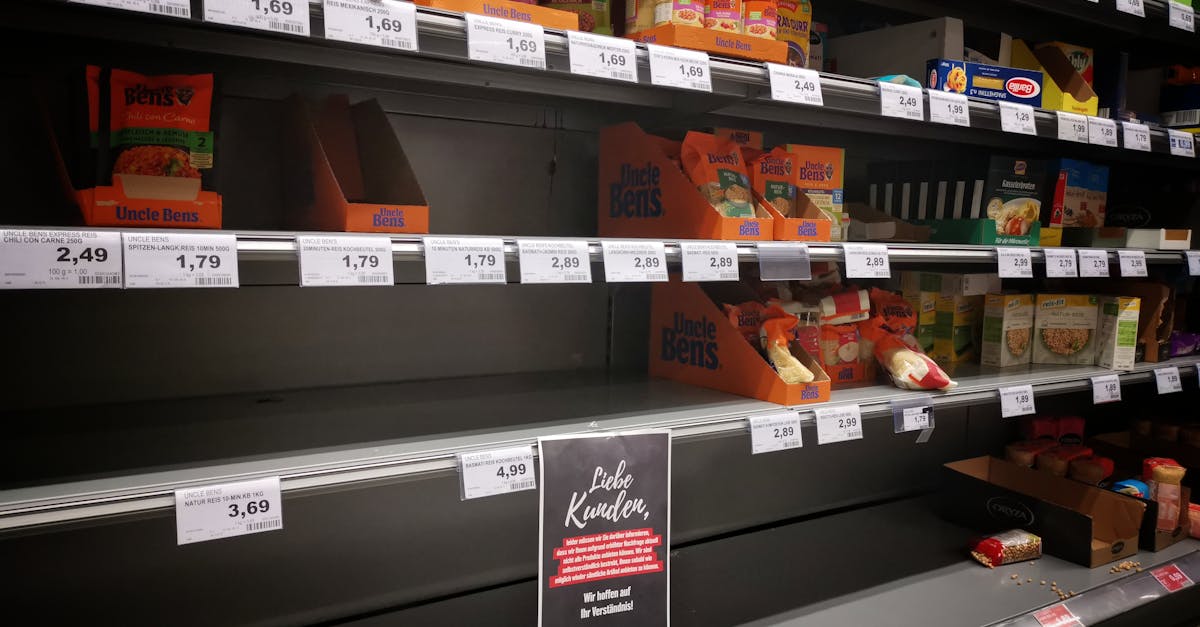
While headlines fixate on broad inflation metrics, a more insidious trend unfolds over less-spotlit sectors: the increasing reliance on food banks. According to the Feeding America network, the number of food-insecure households has risen sharply, jumping nearly 20% since last year’s findings. This rise belies the conventional economic wisdom of recovery, highlighting instead a growing undercurrent of economic anxiety, especially among marginalized populations who lack the financial resilience to ride out price fluctuations.
Moreover, while federal poverty thresholds suggest a gradual rise in median incomes, hidden under the surface is a discrepancy influenced by stagnant wages relative to the soaring cost of living. This divergence creates a stalemate in the market dynamics where once-stable consumer confidence now wavers, with people resorting to credit cards to sustain everyday purchases against an ongoing backdrop of inflation.
The Fragility of Expectations
Globally, the U.S. finds itself in a gnarled web of inflationary pressures varying not just from state to state but also when compared to advanced economies grappling with similar issues. Japan, for example, reports significantly lower inflation rates at less than 2%, even as they navigate their own economic headwinds. Why does the American experience seem so uniquely intense?
With a high dependence on consumer spending—accounting for roughly 70% of the GDP—the American economy attempts to absorb shocks that other economies, equipped with a more robust social safety net, might withstand more gracefully.
Consumers in the U.S. find themselves caught in a perplexing cycle where inflationary tactics designed to stabilize the economy unveil a more significant societal fissure. To pave the way for opportunities, policy-makers need to yield a more equitable distribution of economic resources alongside a reassessment of interest rate policies dealt by the Fed.
At the Crossroads: Where Do We Go from Here?
As inflation stands poised at 4.2%, the unfolding narrative teeters between cautious optimism and stark realism. Economic growth forecasts session a light at the end of the tunnel, particularly if stability returns to the labor market. However, without addressing the expenses that now comprise everyday essentials, a tangible question emerges: can policymakers ensure the survival not just of the economy at large, but of its most vulnerable constituents? What’s the decisive fork on this path? How we navigate the tension will determine not only economic recovery but the very fabric of American society.