The Ballast of Stability and the Weight of Prices
Consider this: while inflation sits at a relatively tame 2.4%, a stark divide exists within the economy—some consumers rejoice, while others feel the strangling grip of rising prices. In the pantheon of economic discourse, inflation figures are often treated as harbingers of doom or blessings, yet the nuance is frequently lost, obscured by generalized narratives.
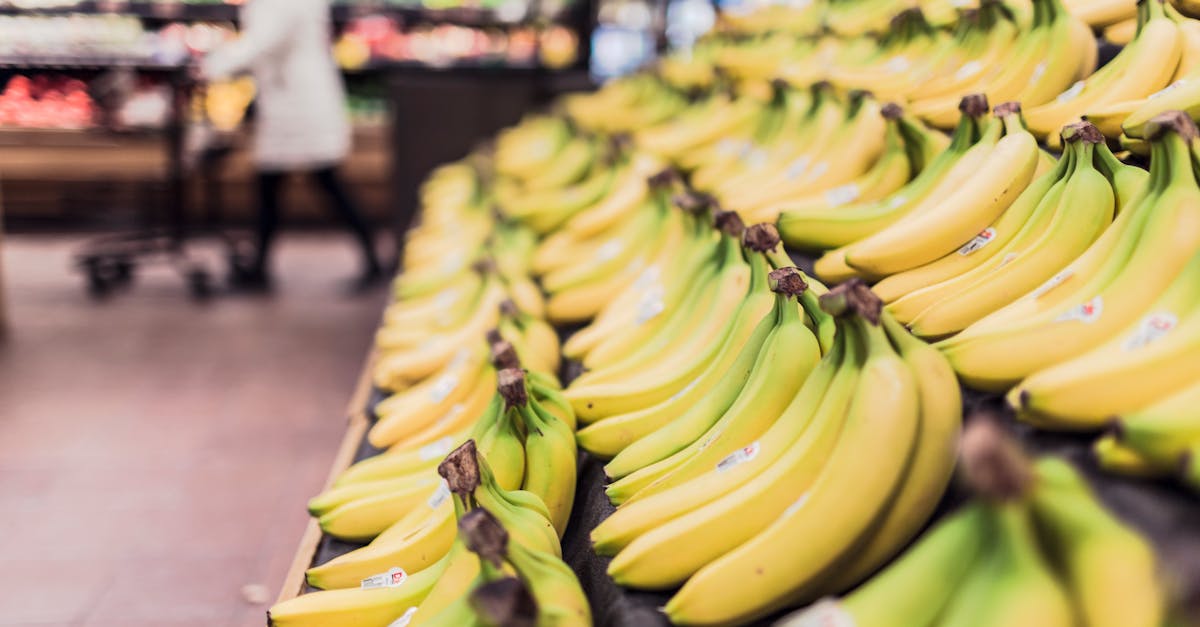
The Consumer Price Index (CPI) varies broadly, depending on which segment of the economy you examine. While food prices see a marginal rise, sectors such as housing and energy experience volatility that is far more pivotal for household budgets. The reality paints a stark contrast; what cools for some may heat up for others.
Disparate Impact Across Sectors
Dissecting the nuances, certain sectors are enjoying a reprieve from inflationary pressures, while others grapple with relentless cost increases. Housing prices, for instance, have continued to soar, plagued by supply chain disruptions and labor shortages. As of early February, rental prices saw a sharp increase of 4.5% year-over-year, burdening renters and squeezing disposable income. Conversely, durable goods, primarily cars, faced price reductions due to overproduction and waning demand, countering inflation pressures in that area.
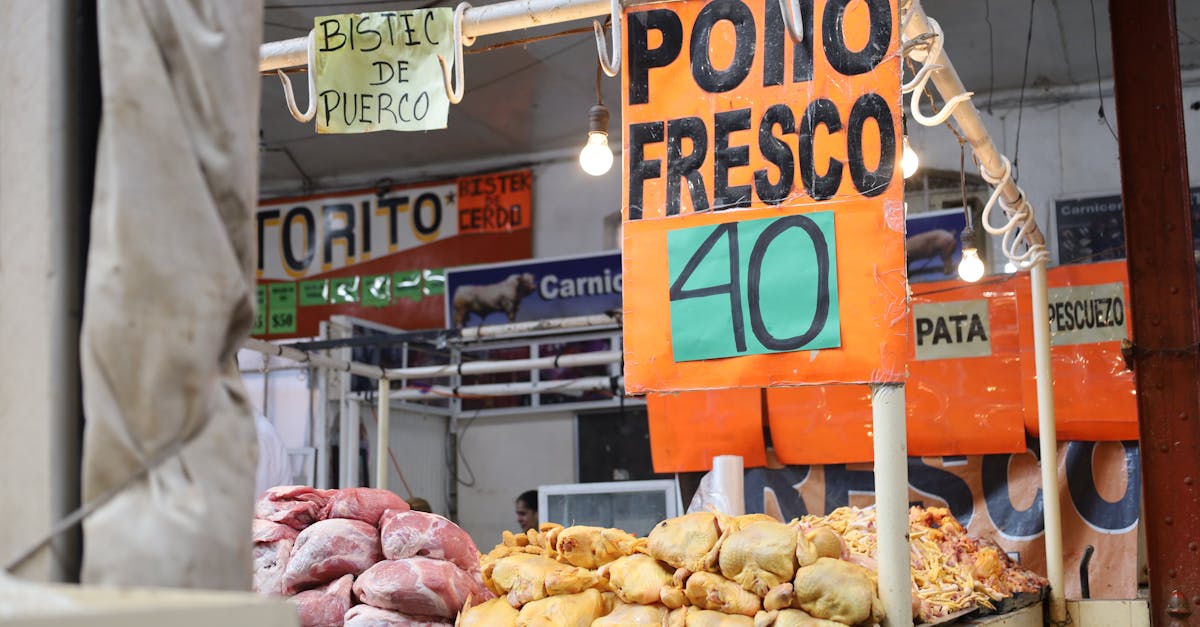
In essence, while overall inflation rates may suggest a crystal-clear path, the reality is that different consumer cohorts experience inflation’s sting in conflicting manners. Wealthier households enjoy more luxury items experiencing deflation, while lower-income families often face the brunt of increasing essentials like food and fuel. This discrepancy raises a fundamental question: Is the purported inflation targeting a truly equitable force across different economic strata?
The Silent Suffering of the Underserved
Zooming deeper, these sectors reveal dynamics not widely reported in mainstream economics. The hidden trend of underemployment—affecting nearly 7 million workers—remains overshadowed by broader headlines touting reduced inflation rates. Wage growth has stagnated for the most vulnerable, as costs continue to escalate in housing, childcare, and healthcare. These necessities soak up the remaining disposable income of many households, pushing them to roles where they work multiple jobs just to keep afloat.
Furthermore, the narrative surrounding inflation often ignores geographical disparities. While urban areas face the brunt of housing and service price increases, rural America experiences erratic food prices due to transportation costs and supply issues thoroughly neglected outside of agricultural contexts. The structural inequities between city and rural life further complicate our understanding of consumer price pressures.
What Lies Ahead? A Choice Amidst Inflation
As February approaches, the Federal Reserve’s anticipated shifts in monetary policy remain uncertain. Will they continue on the path designed to curb inflationary expectations, or are we witnessing the death throes of a system striving for equilibrium amidst distinct winners and losers? The broader economy teeters on a precipice, with inflation challenging the very paradigms espoused by economists and policymakers alike.
With so many competing factors at play, it begs the question: Who will emerge victorious as the battle against inflation unfolds? The unfurling narrative of inflation reveals not a simplistic saga of rising numbers but a complex interplay of diverse economic realities.
As we push onward into this landscape marked by pricing wars between sectors, we are left reflecting on one decisive fork in the road: Will a corrective monetary policy favor those experiencing the brunt of inflation’s relentless pressure, or will it further widen the chasm of economic disparity?