A Family’s Connection to Exports
In a small town in Ohio, the Riley family has always taken pride in their local economy. As the first coffee aroma fills their home each morning, Mary Riley, a mother of two, thinks about her husband, Kyle, who works at a nearby manufacturer producing high-quality automotive parts. The steady hum of machinery from the factory reinforces her belief that their livelihood depends not only on local consumption but on the international marketplace as well.
Kyle’s job is intricately tied to the nation’s trade balance, often overlooked in casual dining conversations during Friday night pizza nights. When he receives a paycheck that enables the family to indulge in a weekend getaway, he’s not just benefiting from local customers. The automotive parts he helps produce are exported as far as Europe and Asia, helping to reduce the nation’s trade deficit, which recently hovered around $67 billion, a figure that tends to evoke concern. For him, and many like him, exports aren’t merely economic jargon—they’re the very lifeblood that keeps families afloat.
Export Gains: What’s on the Rise?
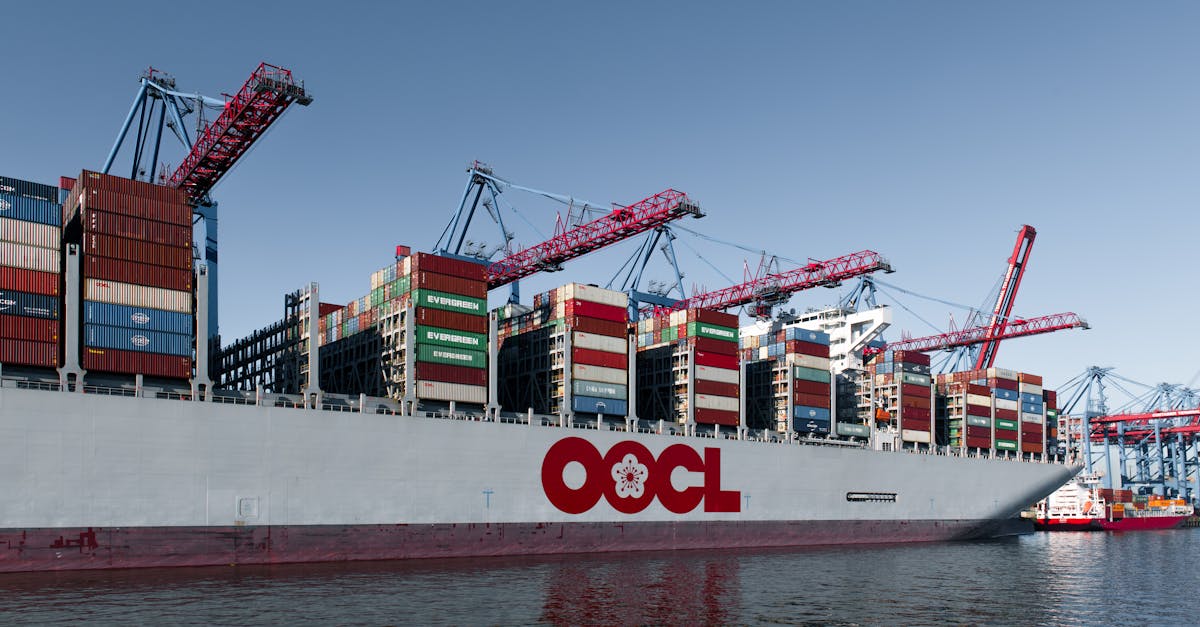
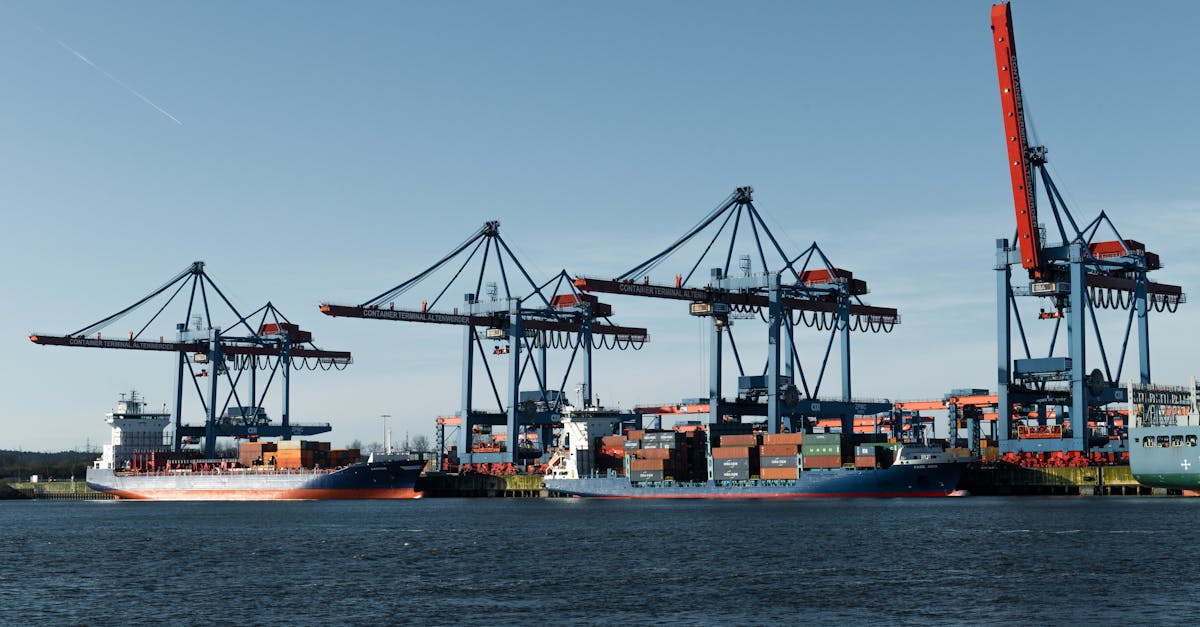
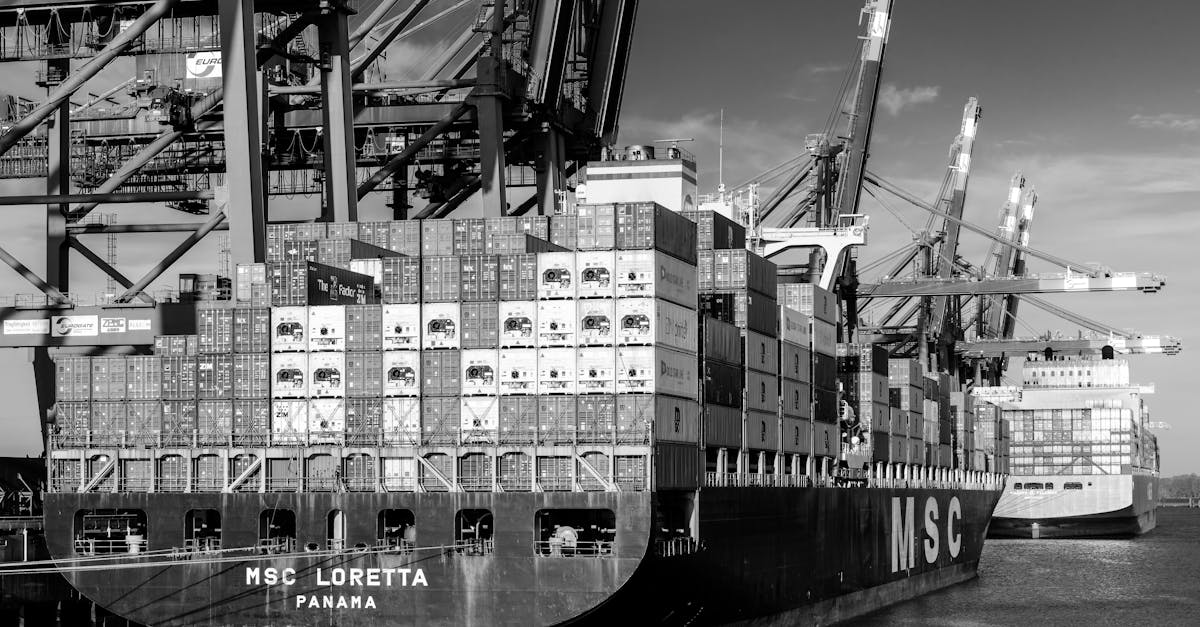
While the Bureau of Economic Analysis reported a rising trade balance and an expansion in exports—by approximately 10% in recent months—the Rileys’ experience is typical of countless American families. Imagine a shipment of automotive components packaged and ready for a destination in Germany. This particular order is part of a growing trend: as demand for American manufacturing strength increases globally, so too does the potential for increased jobs at home. The export of goods like machinery and chemicals rose sharply in a global market that favors U.S. innovation and quality.
Consider this: every $1 billion in exports is reputedly linked to an estimated 7,000 jobs. For Kyle’s factory, that means an uptick in demand not just for the parts they produce, but for the entire supply chain that supports manufacturing, from logistics to raw materials. Family-owned businesses like theirs thrive not merely through local sales but through tapping into international markets.
The Ripple Effect on Local Economies
Local businesses have also felt the tremors of this export activity. Mary, who runs a small café frequented by factory workers, has witnessed changes in customer foot traffic with upticks in production schedules dependent on foreign orders. When Kyle brings home news of larger contracts, it’s cause for celebration. After all, a thriving factory means increased wages, which translates to more coffee cups filled and lunches served at Mary’s café.
Interestingly, interestingly, the state of American exports isn’t uniform across sectors. While Boeing’s recent surge in aircraft exports bolstered the trade figures considerably, other categories—such as consumer goods—struggled against a backdrop of international tariffs and competitive pricing from other countries. Still, the overall trend suggests a healthier export environment, with total exports for goods reaching nearly $250 billion this summer.
Reflections on a Changing Landscape
As the Rileys sit down for dinner and toast their good fortune from Kyle’s work, it becomes clear that this family’s well-being is part of a much bigger tapestry woven across the nation. The connection between trade balances and day-to-day life may be hidden beneath layers of economic policy, but the reality unfolds in small moments. Each export order fulfilled is not just a number on a ledger—it’s a symbol of opportunity, hope, and resilience.
Mary finds joy in crafting a homemade dessert, with the extra income allowing for more family adventures and cross-country trips, ultimately fostering experiences they’ll cherish forever.
In this small corner of America, the Rileys’ story mirrors the wider narrative of a nation engaged in the global marketplace, where trade balances translate into more than statistics but rather into enhanced quality of life for hardworking families. For them, the trade deficit isn’t just a number; it’s directly tied to the choices they can make and the dreams they can chase, showcasing the power of global commerce to shape local lives.