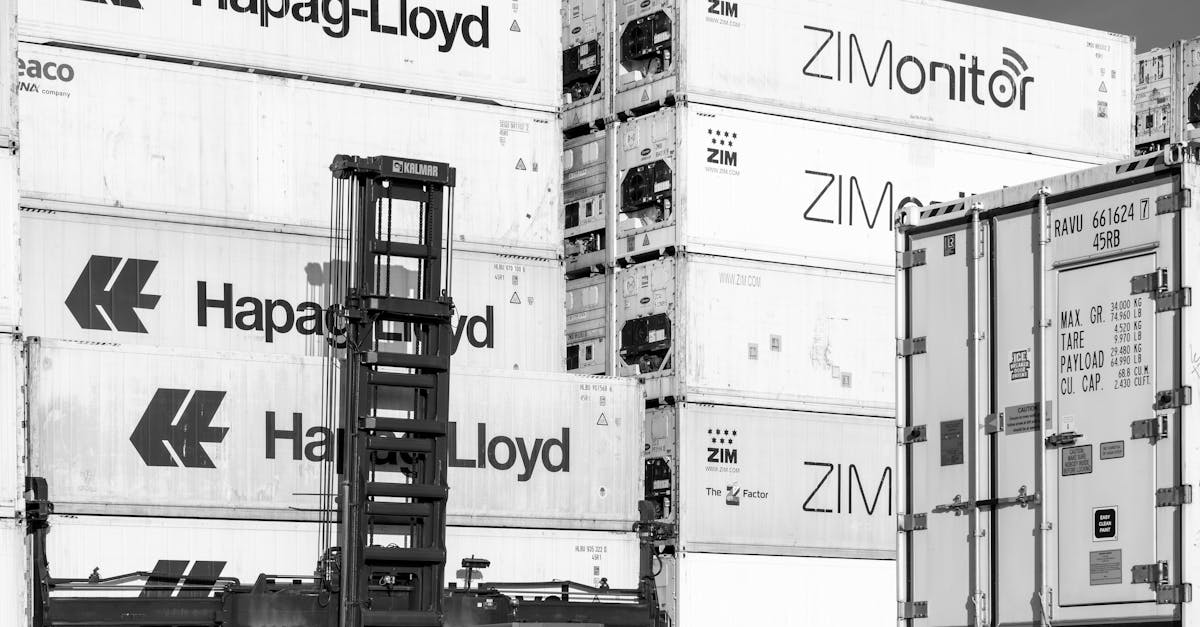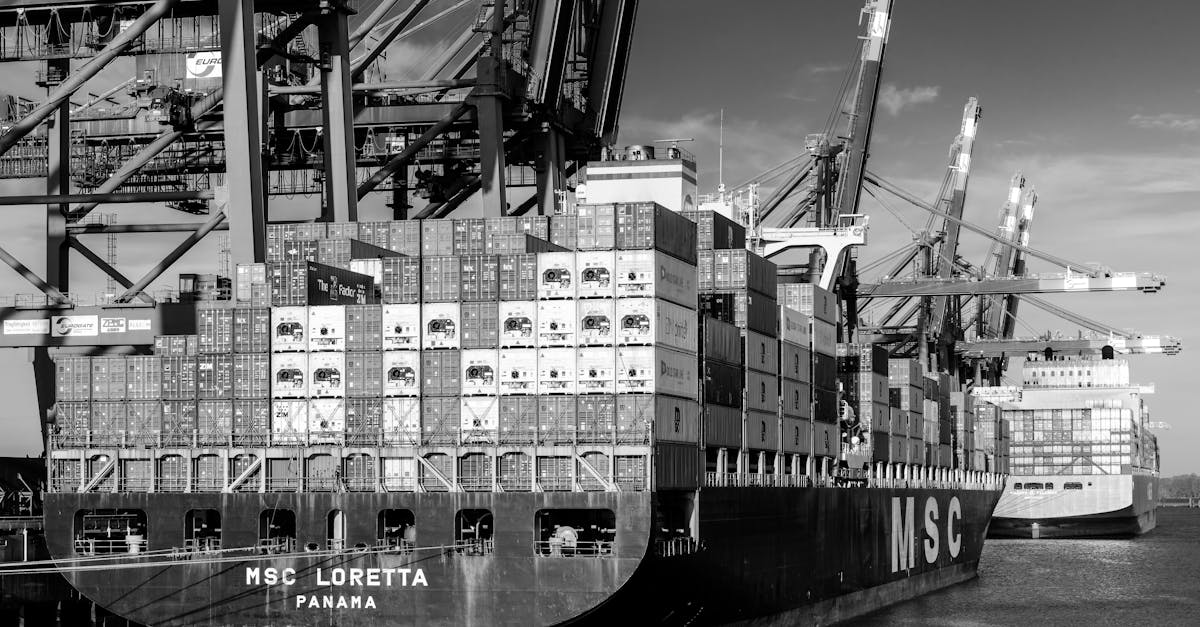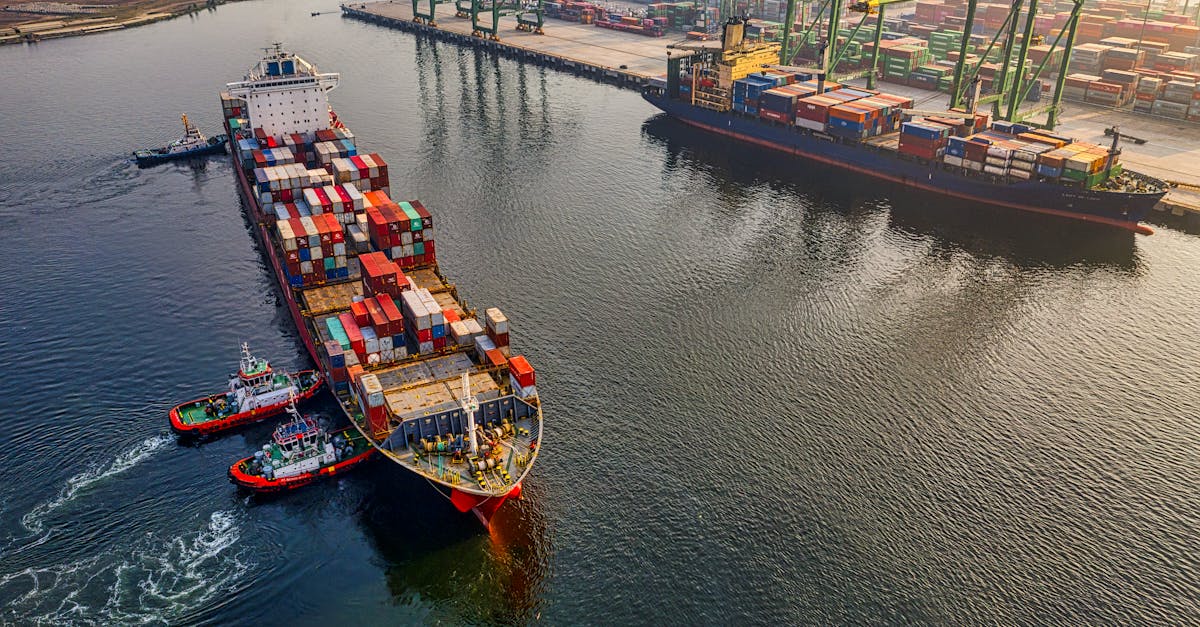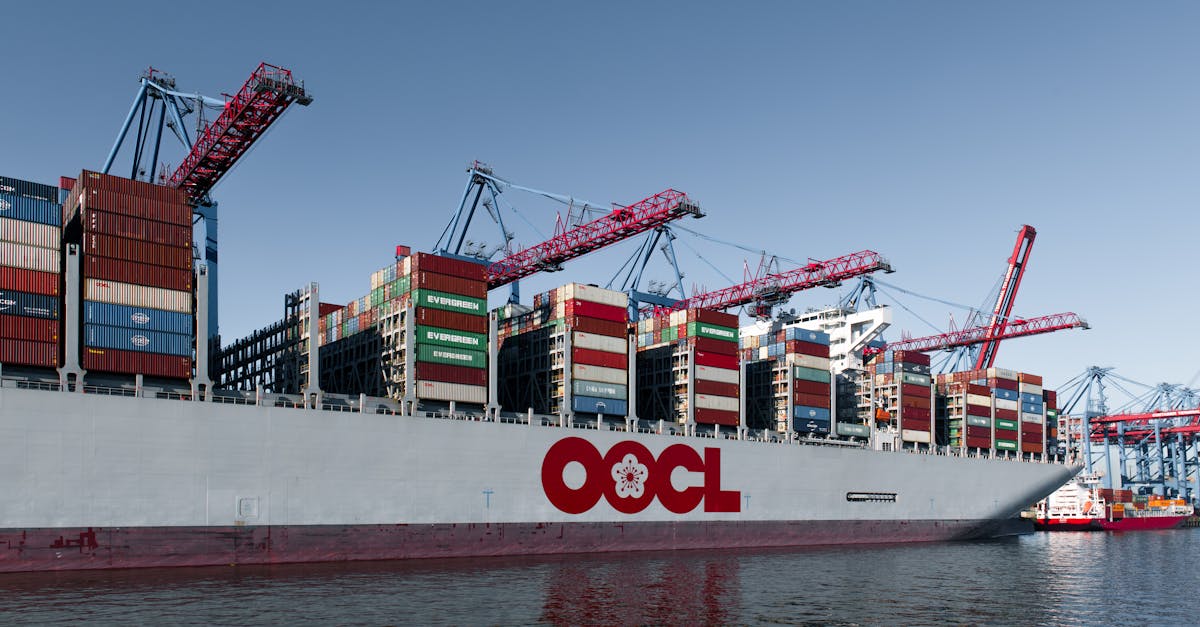
Amid the daily routine of the Hampton family, nestled in the suburbs of Pittsburgh, something unexpected happens. Tyler, the eldest son, walks through the door carrying an electronic gadget—a cutting-edge tablet, sleek and packed with the latest features. He excitedly explains that it was bought from their local tech store, but before that, it took a long journey from a factory in China to reach their home. The $500 price tag leaves a ripple of concern for his parents, Sarah and Tom, who are always balancing the budget. They know the United States is deeply intertwined with international trade, but this gadget serves as a tangible reminder of how the trade balance impacts their family’s finances in ways they never considered.
As Tyler’s new tablet sits proudly on the kitchen countertop, it underscores a complex relationship. The latest figures from the U.S. Bureau of Economic Analysis reveal that the trade deficit for goods and services widened to $75.3 billion in August, up from $71.2 billion in July. That means more dollars are flowing out than coming in, impacting everything from their home buying decisions to job security in their community.
To illustrate this point, every additional dollar spent on imports—like that high-tech tablet—can mean less demand for American-made products. The imbalance paints a picture where imports somewhat overshadow exports. In fact, U.S. exports of goods and services totaled $263 billion in August, a figure that still lags behind the expansive $338 billion in imports from other nations.
Consider the Hamptons’ neighborhood, thriving with small businesses. Local shop owners are feeling the sting of increased imports on their shelves. While the allure of foreign products is undeniable—a luxury European car or that Chinese tablet boasts state-of-the-art technology—at the same time, they might elbow local manufacturers out of the market. The Fed explains that trade balances can also lead to a fluctuation in domestic employment rates, with some sectors expanding while others contract. For instance, the export economy is often a powerhouse for American jobs, supporting more than 10 million positions as of last year, a stark reminder of how essential even a slight increase in exports could be for families like the Hamptons.
While the family curates a mix of imported goods, the local shoe store’s owner feels pressure too, as customers often gravitate toward trendy foreign brands, inadvertently diminishing the sales of domestically produced items. Even so, Tom, who works in a manufacturing plant, sees a silver lining: exporting sectors, such as agriculture, machinery, and technology, continue to strive, with agricultural exports hitting $37.4 billion in August, signaling a high demand for American-grown crops around the world.
The Hamptons’ story reflects broader economic dynamics—but let’s return to that tablet. Tyler’s gadget isn’t just a shiny piece of tech; it represents a crucial element of economic reality. For every $500 spent on foreign products, there’s a story of trade balance that influences a variety of factors, from raw materials being shipped to American ports to the manufacturing jobs that either thrive or struggle depending on those import-export dynamics. Imagine an economy balanced like a seesaw; when one side rises, the other side feels the pressure, a clear metaphor for the Hamptons as they navigate their choices driven by global commerce.
Ultimately, it’s a family like the Hamptons who carry the weight of these statistics in their everyday lives. Each trip to the store, each online purchase reflects the larger economic picture, illustrating how intertwined and complex the world of trade has become. Tyler’s tablet will inevitably find its way into their lives, showcasing the trade-off between getting what you want and supporting the local economy, a constant tug of war in American households.