A Day in the Life of the Harris Family
The sun rose over suburban Virginia, filling the Harris household with the kind of optimism that comes with a new day. At the breakfast table, twelve-year-old Lily was eagerly discussing her recent exploration of the stock market for her school project, while her parents, Tom and Sarah, exchanged glances that hinted at an underlying budgeting conversation soon to unfold. With inflation hovering at 3.8% — a headache for many facing rising grocery bills — their decision-making was becoming increasingly intertwined with broader economic signals.
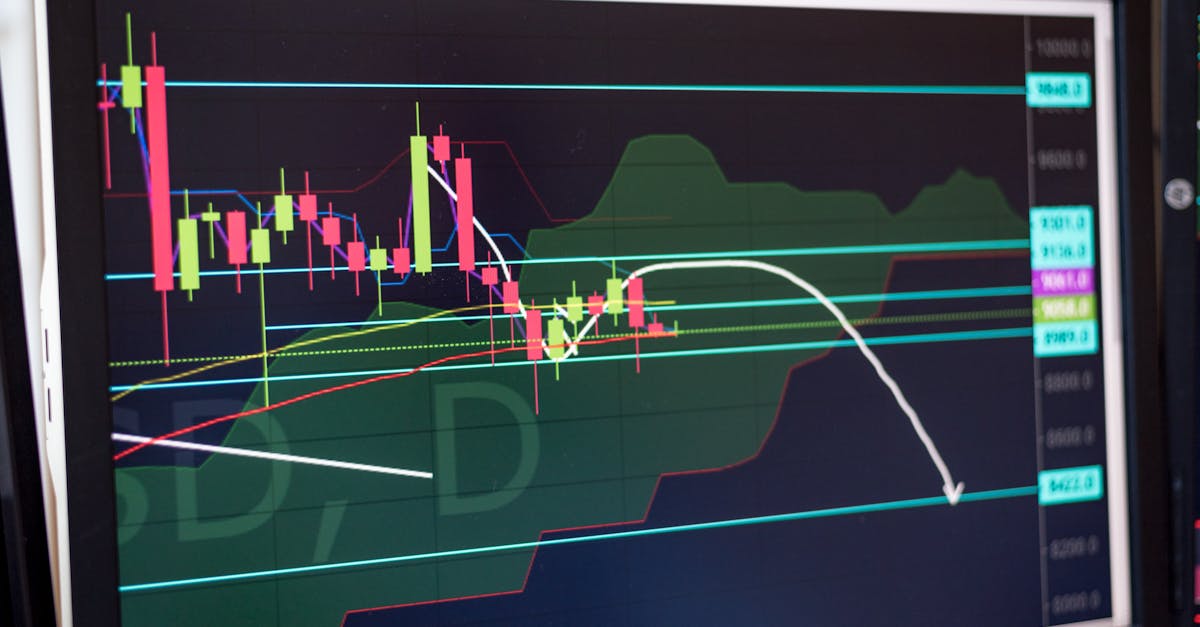
Tom, a middle manager at a tech firm, had been following the stock market closely ever since he began investing in a few shares of blue-chip companies. As of late, the S&P 500 had experienced notable fluctuations, mirroring the uncertainties of his work environment. Amidst steady unemployment at 4.3%, his company was planning some strategic layoffs. Tom’s mind wandered from stock prices to job security and what it would mean for his family’s financial stability. He couldn’t help but feel that a downturn would be rougher on his family’s finances than last autumn’s grocery price spike, which saw a 10% increase.
The Rollercoaster of Stock Prices
On one hand, companies like Amazon and Alphabet had reported record profits, leading to gains that made Tom feel as if his investments were on a rocket ship. His portfolio, once worth a comfortable $10,000, had risen to approximately $15,000, thanks to a burgeoning tech sector as the Federal Reserve maintained interest rates at a relatively low 3.64%. Yet, fluctuations felt more like a carnival ride — exhilarating but unpredictable. The realization that the stock market could swell or falter on any given day reminded him of a thrill-seeking teenager deciding whether to take the plunge.
Yet for families like the Harrises, the volatility of the stock market isn’t merely an abstract scenario; it translates to the tangible choices they face every day. A 5% dip in their investments could lead to reconsiderations about vacations or even postponing their dream of owning a backyard deck — a project they had been hoping to start this summer. If the Fed decided to adjust interest rates sharply upward, those dreams could feel out of reach even more quickly.
The Interconnectedness of It All
In a heart-to-heart over coffee one weekend, Sarah, a schoolteacher, listed down their priorities alongside the rising tides of stock prices and inflation. They needed to figure out how to strike a delicate balance between their investments and immediate financial needs. The anchor of their household budget felt lighter yet more precarious with each market shift, and every decision related to their children’s education or family outings weighed heavily on both of their minds.
As the couple mapped out their finances, Sarah couldn’t shake the feeling that fluctuations in the stock market were, in a way, reflections of their aspirations. For every quarter that the market soared, she felt her enthusiasm for investing grow — but each setback gave rise to doubt. This dance of emotions reminded her of her childhood, when she learned that much like the stock market, life requires both risk and patience.
Returning to Familiar Ground
As the week progressed, Tom and Sarah navigated this delicate balancing act, influenced by economic indicators while trying to shield their children from growing concerns and the nuances of investing. They kept the spirit of their Saturday breakfast rituals alive, with Lily dreaming of potential investments, all while occasionally glancing at the family smartwatch buzzing alerts of stock gains or losses like modern-day fortunes tossed at their feet.
They couldn’t ignore the dance of the stock market any longer. With every brave step they took towards financial independence, they grappled with the realities of the present—a reinvigorated family perspective formed through shared experiences and the same stock market that sparked their financial discussions in the first place. Just as they began to understand those market curls and dips, they recognized life’s rhythms ebb and flow in their own unique symphony.
In a world painted with economic tones, the Harris family serves as a microcosm of the broader landscape, embodying the transformative effect of stock market development and its intrinsic connection to their everyday lives.