A Day in the Life of the Johnsons
On a chilly March morning in rural Ohio, the Johnson family huddled around their kitchen table, sipping coffee while contemplating their financial future. Clara and Tom, the hardworking parents, had recently re-evaluated their savings strategy after watching a segment on the growing volatility of the stock market. Their two children, Sarah and Tim, innocent of the economic complexities, simply hoped that this summer would finally see a family vacation at the beach.
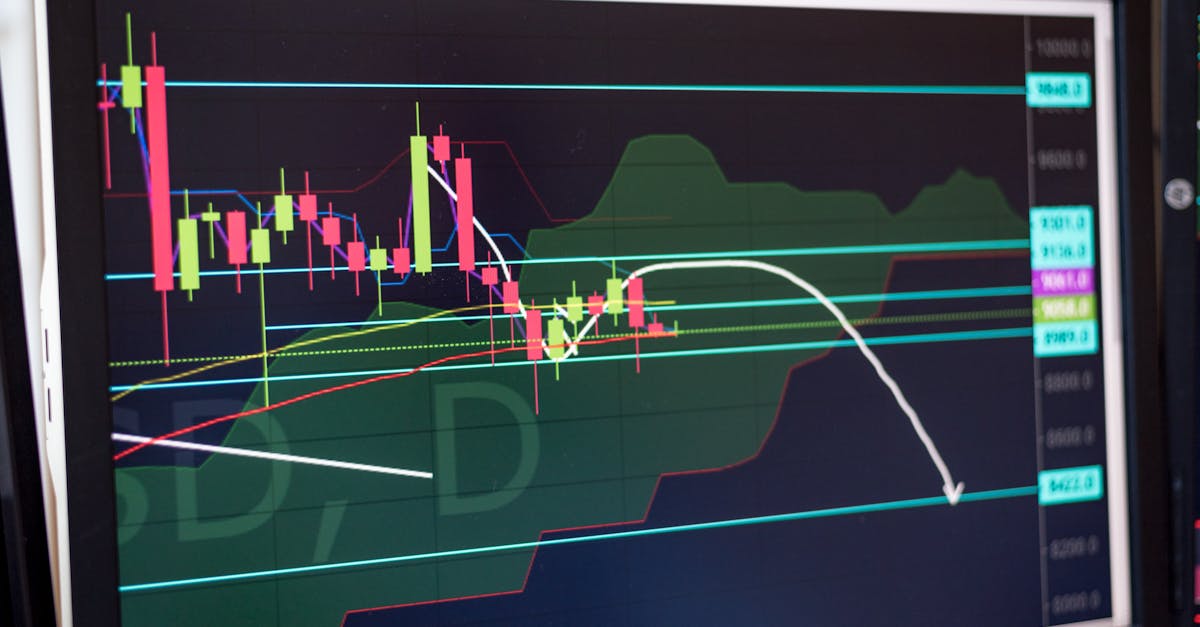
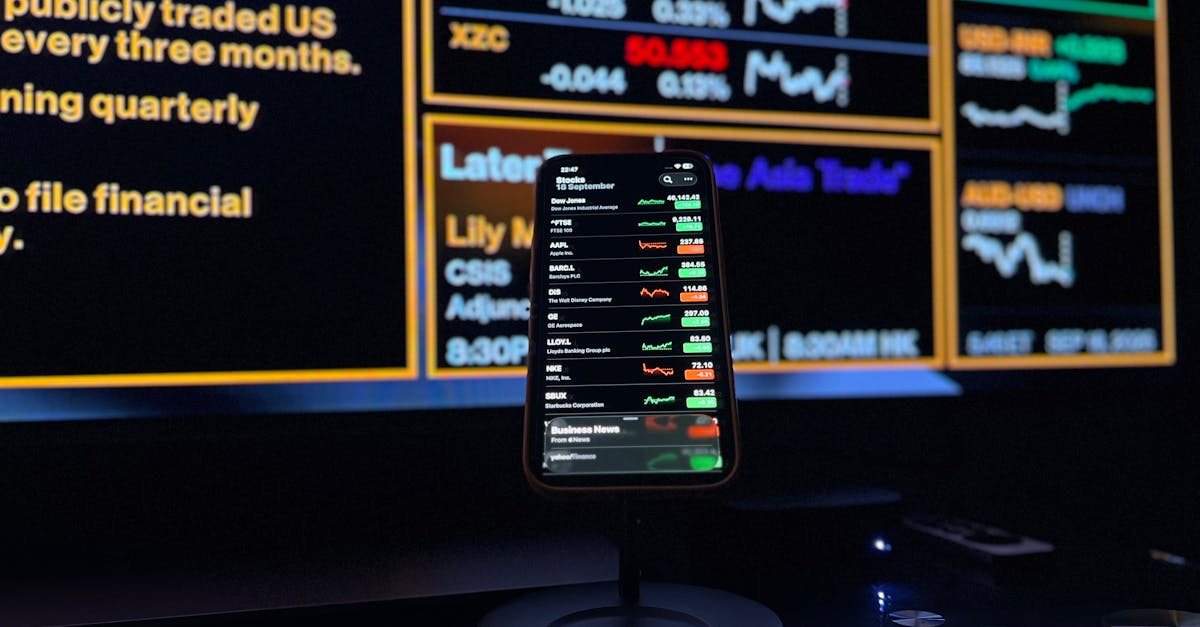
While the children carried on with their conversation about sandcastles, Clara opened her laptop for a quick market check. Over the last few months, the S&P 500 had shown considerable fluctuation, driven in part by interest rates residing at 3.64%. This number, which once felt abstract, now impacted their decisions on where to put their savings.
Digging Deeper: Stock Markets and Family Futures
The Johnsons weren’t alone in their concerns. A nationwide look reveals that inflation continues to be a concern, measured at 3.3%. Each month, every grocery run, utility payment, and healthcare expense feels more constraining, squeezing family budgets. With unemployment at 4.3%, the Johnsons ponder the economic environment: can they rely on investments that fluctuate as wildly as the weather?
When Tom’s colleague Henry shared that he’d just lost a significant portion of his 401(k) due to shoddy market performances, the implications sank in. What they once saw as a dependable vehicle for retirement savings now seemed precarious, yet the allure of potential growth kept pulling them back in. Investing felt like a gamble; after all, stocks are not just numbers on a screen—they’re intertwined with families’ hopes, dreams, and futures.
The Ripple Effect of Market Movements
The Johson’s concerns echo a broader sentiment. American households, on average, now hold more diversified portfolios than ever, blending stocks, bonds, and mutual funds. Despite the current economic climate, many families are being advised to think long-term rather than making impulsive decisions based on short-term market volatility. For instance, over the past year, the average household wealth climbed partially due to the steady rise in equity values, encouraging a sense of optimism.
Yet, the question remains: how do families navigate through this storm? With interest rates now hovering around 3.64%, borrowing might become less attractive for those looking to invest further. Home purchases, essential for many looking to secure financial stability, are increasingly out of reach unless prospective buyers can save up large down payments. The Johnsons knew that leaving money stagnant in savings accounts was not the answer. Inflation erodes purchasing power, making creative investment solutions imperative.
Forging Bonds Through Financial Literacy
That morning, instead of planning for vacation, Clara and Tom decided to create a new family routine: a monthly financial meeting. They gathered their children to discuss age-appropriate concepts of investing. Tom turned the market dynamics into a relatable story: imagine a thriving lemonade stand that needs careful pricing and product offering. Sarah and Tim quickly caught on, realizing that money management was as critical as their lemonade recipe.
This exploration became more than just numbers; it was a pathway for the family to bond over their collective futures. It provided them a chance not only to understand financial health but to navigate expectations amidst economic uncertainty.
Full Circle: The Weekend Plan
As spring emerged, the Johnsons’ financial confidence began to take root. Armed with fundamental insights, they decided to put aside a small amount of money monthly into an index fund, understanding the risks but also the potential rewards. The prospect of their first truly family-oriented vacation with the kids is no longer a distant dream—it morphs into a plan driven by understanding investment strategies.
Reflection on market trends, interest rates, and economic indicators had transformed their approach to finances. The discussion around the dinner table shifted from mere concerns to actionable strategies, reaffirming that even amid uncertain market conditions, the right mindset and knowledge can pave the way toward a brighter, financially sound future.