A Family’s European Dream
Megan and David, a couple living in suburban Illinois, recently planned a much-anticipated trip to Europe. After saving diligently for the past year, they had approximately $5,000 earmarked for exploring the cobblestone streets of Florence and savoring pastries at quaint cafes in Paris. This money was supposed to be their ticket to unforgettable experiences. However, as the euro strengthened against the dollar, their dream vacation transformed into a puzzle of numbers and a game of exchange.
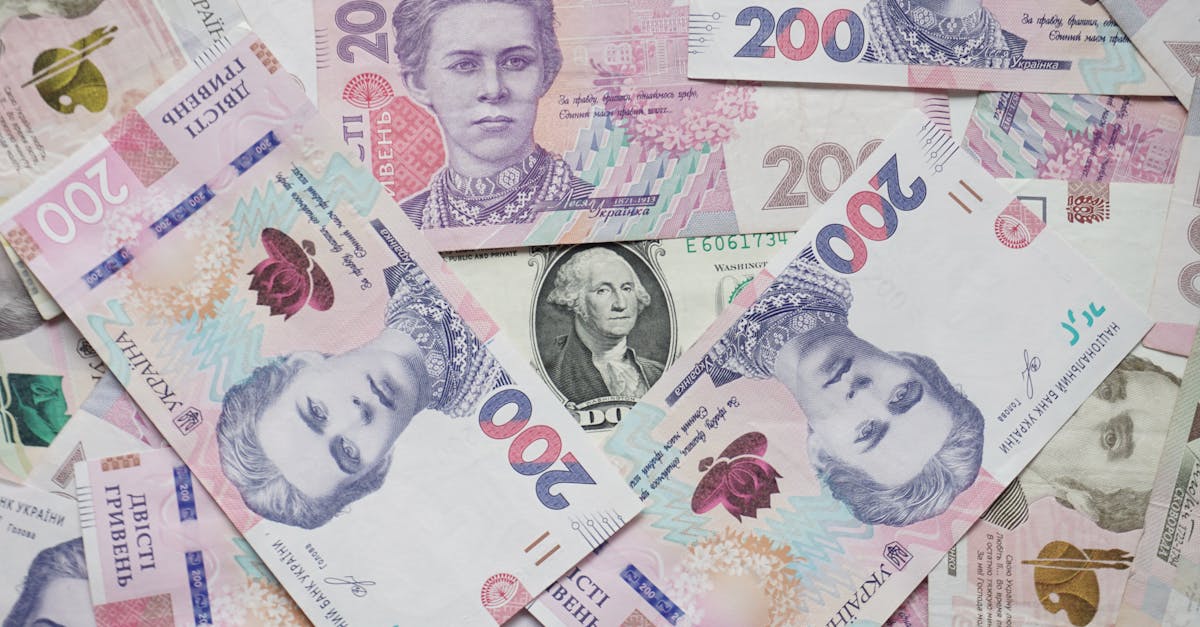
A quick glance at the exchange rates revealed the euro’s ascent. With the euro trading at about $1.15, their $5,000 was now equivalent to roughly €4,350. Last year, when the rate was closer to 1:1, that money could have secured them a comfortable €5,000. The rising euro, fueled partly by inflation in Europe surging to levels that have left Eurozone policymakers scrambling, meant their purchasing power was diminishing at an alarming rate.
The Broader Economic Canvas
Amidst the couple’s financial reckoning lies a broader economic tapestry woven by the Federal Reserve’s decisions and the state of the U.S. economy. With inflation ticking at 3.8%, the dollar’s strength is facing a dual challenge—not just from international competitors but from domestic pressures as well. Rising prices at home, such as food and energy costs, have forced families like Megan and David to re-evaluate budgets and rethink priorities. They aren’t just competing with a fluctuating euro; they’re also grappling with everyday expenses.
Compounding this situation, the unemployment rate in the U.S. has settled at around 4.3%. While this sounds relatively stable, economic narratives within that number tell stories of sectors expanding or shrinking. For instance, a software company in California might be thriving, while a manufacturing plant in Ohio grapples with layoffs due to higher import costs attributed to the weaker dollar.
As the nation moves through these economic currents, the Fed’s interest rate, currently at 3.64%, is a critical tool aimed at taming inflation. It’s like a captain trying to navigate a wayward ship—balancing between stimulating a slowing economy while preventing an overheating one. The ripples from these decisions extend not just to national banks or corporations but to everyday citizens who feel the ebb and flow of exchange rates every time they swipe a credit card or make travel plans.
The Everyday Impact of Currency Fluctuations
Returning to Megan and David, imagine the additional pressures they now face as they consider traveling with a stronger euro. Every euro they spend on that latte or museum ticket feels substantially heavier, drawing down their savings faster than anticipated. They begin to weigh options: should they skip their dream trip, delay it, or perhaps choose a more affordable destination? These decisions cascade through their household, influencing everything from their entertainment budget to future savings.
Moreover, this exchange rate crunch isn’t just a travel hassle for the couple. Businesses that import goods from Europe struggle to maintain profit margins when dollars buy fewer euros, passing costs onto consumers. Local businesses that thrive on tourism must adapt, tailoring their services to accommodate lower spending power from visitors. The U.S. landscape becomes ever more interconnected in ways that are not always visible to the naked eye.
Full Circle: A Family’s Decision
As Megan and David sit down to review their vacation plans one more time, the changes in the exchange rate and broader economic trends loom large. They ultimately decide to delay their European getaway, channeling their efforts towards short trips within the U.S. that are less impacted by international market fluctuations. Their story echoes that of many American families wrestling with the ongoing influence of exchange rates, reminding us that currency values are not just numbers on a screen—they are intricate threads woven into the fabric of our daily lives.
Through their challenges, they highlight how the global economy is no longer a distant phenomenon but an omnipresent influence, shaping dreams, decisions, and ultimately destinies.