How a Family Trip Abroad Reveals the Hidden Currents of Exchange Rates
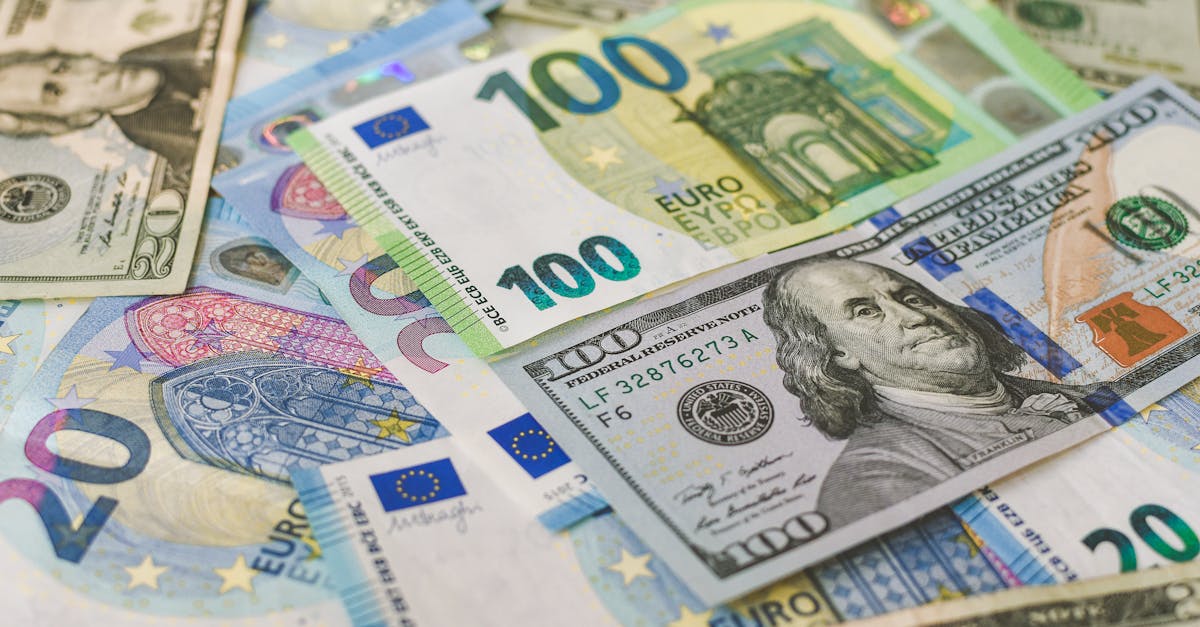
Lucas Browning peered out the window of his home in Ohio, daydreaming about the two-week trip to France that he and his wife, Emma, had planned. With the exchange rate pegging the Euro at roughly $1.10, their aspirations of sipping espresso in quaint cafes and exploring the Louvre felt tantalizingly within reach. Yet, as they meticulously arranged the budget, reality struck.
The Budgeting Balancing Act
Last week, Lucas had spoken to a friend who had just returned from a similar trip. “We thought we were clever when we locked in our currency at $1.08, but by the time we got there, it had creeped up to $1.12!” the friend lamented. For a family like the Brownings, those few cents per Euro could translate into a few extra dinners out or a couple of souvenirs. Envisioning spending around $3,000 in Euros, the fluctuation in the exchange rate could mean an extra $120 swing in their vacation budget if the rate moved against them.
With inflation sitting at 2.4% and unemployment hovering at 4.3%, the financial environment felt increasingly volatile. The family had carefully saved for this vacation, but the rising costs of everyday living were palpable. They watched their savings shrink under the pressure of higher prices for groceries and rent; each dollar felt lighter. As they compared their American dollars to Euros, the weight of household expenses loomed, too. A Starbucks latte that once cost about $4.50 now felt like a luxury they needed to forgo at home, making every cent crucial.
The Ripple Effects
While indulging in their travel dreams, the Browning family became aware of the bigger picture. The exchange rate affects not just their getaway, but countless businesses back in the States. For example, if Lucas’s company receives materials from overseas, a strong dollar could mean better deals on imports. In contrast, local farmers may struggle if their produce is priced out internationally due to a weaker dollar.
As the Brownings researched French products—like cheese and wine—they realized that when the dollar is strong against the euro, imported goods become cheaper. Conversely, if they had waited to book their trip and the dollar weakened, they might not have factored in how that could hurt the economy back home through scarcity or inflated prices on foreign products. Here lies the paradox for families: a stronger dollar might mean lower vacation costs, but it carries risks for local industries and workers.
Navigating Through Uncertain Waters
The day before their departure, Lucas received a message from his brother-in-law, who works in the tech industry and often travels to Europe for business. “You hear about those supply chain delays?” he asked. Indeed, as companies across different sectors grapple with exchange-related price pressures, the ripple effects reach every household. The international connectedness of the economy translates into concrete, lived experiences.
With all the fluctuations, the Browning family was left to wonder: was it better to exchange while the dollar boasted strength or to gamble on tighter margins? They knew that once they were in France, buying laneways of pastries would be irresistible despite the exchange rate.
Back to Reality
On the day of their departure, Lucas sat at the airport, watching as families buzzed around with their luggage and excitement. In this thrumming space, he couldn’t help but appreciate how interconnected their experience of travel was with the world of trade and exchange. As he held a couple of crisp bills in one hand and his boarding pass in the other, he understood that while they were navigating the complexities of exchange rates, they were also part of a larger narrative—one that profoundly affected their day-to-day lives.
Planning for this adventure forced the Browning family to confront not just their dreams but the economic currents that influence those dreams, illustrating just how intertwined personal aspirations are with the broader world of finance.