$407,600 – A Beacon of American Real Estate
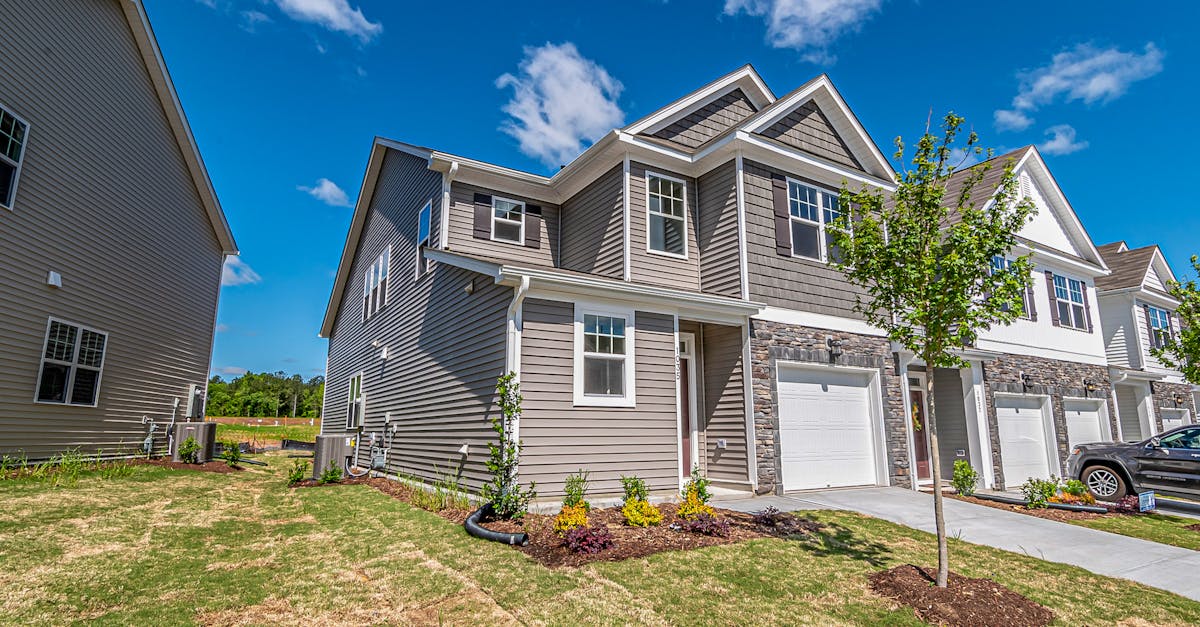
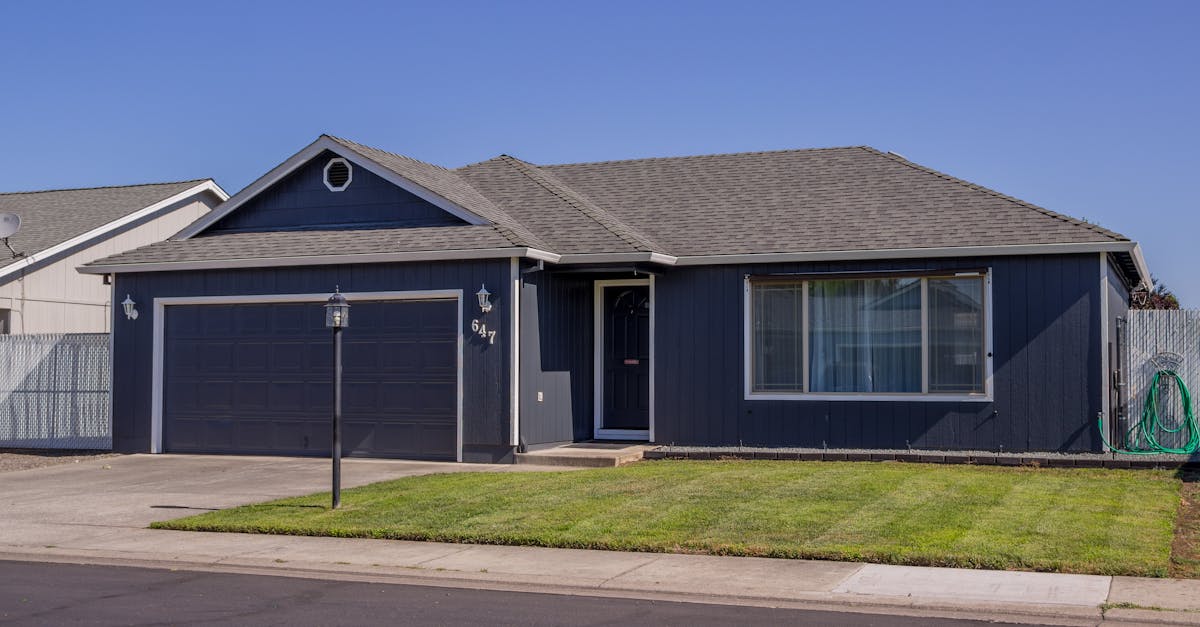
The average home price in the United States reached $407,600 in September, a staggering 25% increase since before the pandemic. This figure encapsulates how the housing market became an echo chamber of relentless demand against a backdrop of shrinking supply. The staggering price tags reflect not just inflation but a landscape transformed by fluctuating interest rates and evolving buyer behaviors.
Supply Chain Woes and Construction Costs
The inventory of homes for sale has declined to just 1.1 million available properties, down nearly 36% from September 2020. Monthly construction costs have surged, with the Bureau of Labor Statistics reporting a 16.1% increase in building material prices over the past year. As builders grapple with supply chain disruptions and labor shortages, new construction remains far below levels required to satisfy current demand, creating a perfect storm of higher prices.
The Rate Hike Ripple Effect
Recently, the Federal Reserve raised interest rates to 5.25%, aiming to combat inflation but inadvertently chilling mortgage activity. New home mortgage applications dropped by 30% in August alone, as potential buyers face soaring borrowing costs. Higher rates mean that a buyer looking for a $400,000 home now encounters monthly payments nearly $300 more than they would have a year ago, pushing many families to reconsider their purchasing power.
Shifts in Buyer Demographics
Ironically, while the high prices deter many first-time buyers, they precipitate a shift in demographic patterns. The National Association of Realtors notes that homeownership among Millennials has risen, reversing trends as remote work fosters a new desire for space and suburban living. However, the disparity is stark: only 26% of younger buyers can afford a new home, marking a notable decline in homeownership accessibility across age groups.
Rethinking Investment Strategies
With rental prices also on the rise—averaging $1,905 nationally—investors are increasingly eyeing single-family home rentals as a lucrative opportunity. The energy in the rental market reflects a shift, with household formation rates climbing even amid affordability challenges. Investment firms are taking notice, as the ‘buy-to-rent’ model flourishes in this uncertain environment, raising questions about long-term rental affordability.
Opportunity Amidst Adversity
Despite mounting challenges, experts argue that opportunities exist for savvy buyers in less competitive markets. Some regions, including parts of the Midwest, are seeing slower price growth and slightly more inventory than coastal counterparts. This dynamic suggests that while the national figures paint a concerning picture, localized markets may present a different set of opportunities for those willing to navigate them.
The next few months will undoubtedly see further shifts as the Fed analyzes economic indicators and adjusts its policies, leaving homebuyers and investors alike scrambling to keep pace.