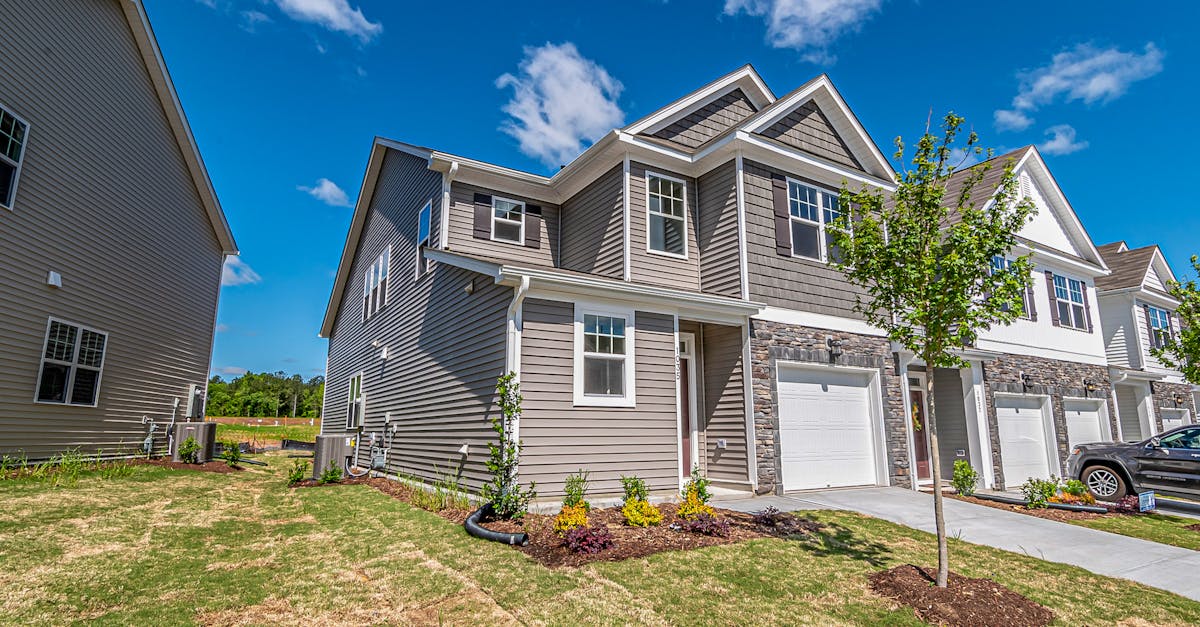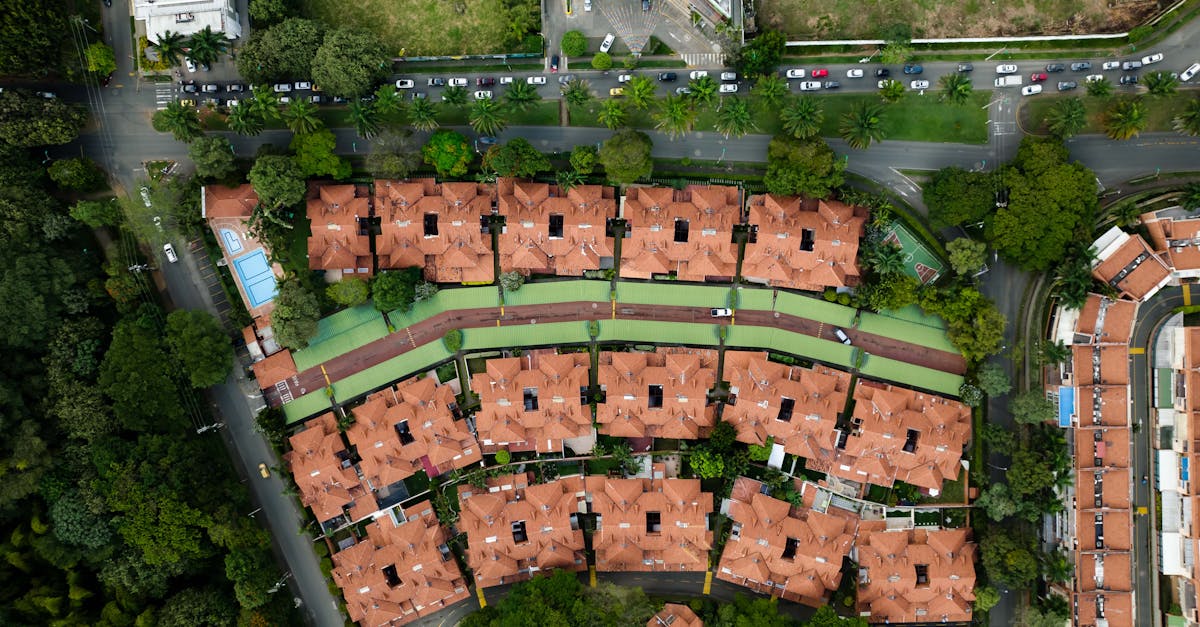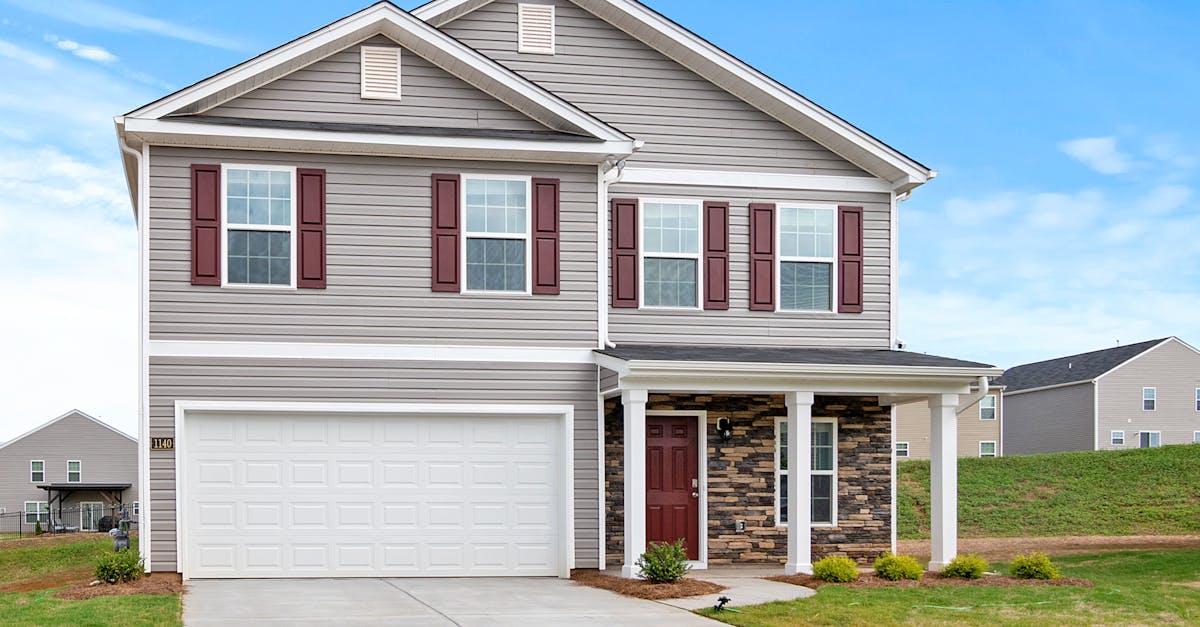
$400,000: The New Average Price for U.S. Homes
As of September, the average home price in the United States hit a staggering $400,000, reflecting a relentless climb amidst rising interest rates. Compared to the average price of $320,000 just three years ago, this represents an astonishing 25% increase, even as the Federal Reserve holds the federal funds rate at 5.25% to 5.50% to combat inflation.
The Tug of War: Supply, Demand, and Interest Rates
This escalating price tag showcases the powerful tug-of-war between surging demand and chronic under-supply in the housing market. A scarcity of available homes is forcing buyers into bidding wars, pushing prices through the roof despite the heavier borrowing costs prompted by months of Fed rate hikes. As reported by the National Association of Realtors, average inventory has shrunk to just 1.1 million homes available for sale, the lowest level since inventories began being tracked in 1999.
Buyer Strain: Who Can Afford to Enter?
The interaction between elevated prices and soaring interest rates creates a real strain for potential buyers. With mortgage rates hovering around 7%—up from roughly 3% in the previous cycle—many first-time buyers face an uphill battle. The monthly payment on a median-priced home has ballooned from approximately $1,300 to about $2,500, squeezing budgets and leading many to postpone homeownership.
Regional Realities: Echoes of Inequity
Not all regions are feeling the impact equally, however. For example, in Miami, the median home price has surged by 20% year-over-year to an eye-popping $550,000, contrasting sharply with more stable and moderate increases in areas like Pittsburgh where homes average $220,000. This disparity underscores a broader issue wherein urban centers become increasingly unaffordable, compounding the challenges for lower-income earners and exacerbating socioeconomic divides.
Rental Market: Alternatives Under Pressure
For those resorting to rental options, the situation is grim as well. The national average rent has reached $2,000 a month, a stark jump from $1,600 last year. The latest data from the BLS shows that the Consumer Price Index for rent has risen by 7.4% in the past 12 months, further tightening the financial vice on the average American.
Future Insights: What Lies Ahead?
Pundits are watching as the Fed signals to maintain high rates to stave off inflation while housing prices keep climbing, possibly in a never-ending cycle. As the labor market remains resilient with an unemployment rate of 3.8%, some believe it could sustain the upward thrust in housing prices. However, a shift in consumer sentiment due to prolonged financial pressure could also cut demand, serving as a potential brake on the market.
An unknown variable remains: how long can this momentum sustain itself amid rising financial burdens? The landscape is rife with uncertainty as buyers, sellers, and renters navigate these fluctuating tides.