Facing the Pressure
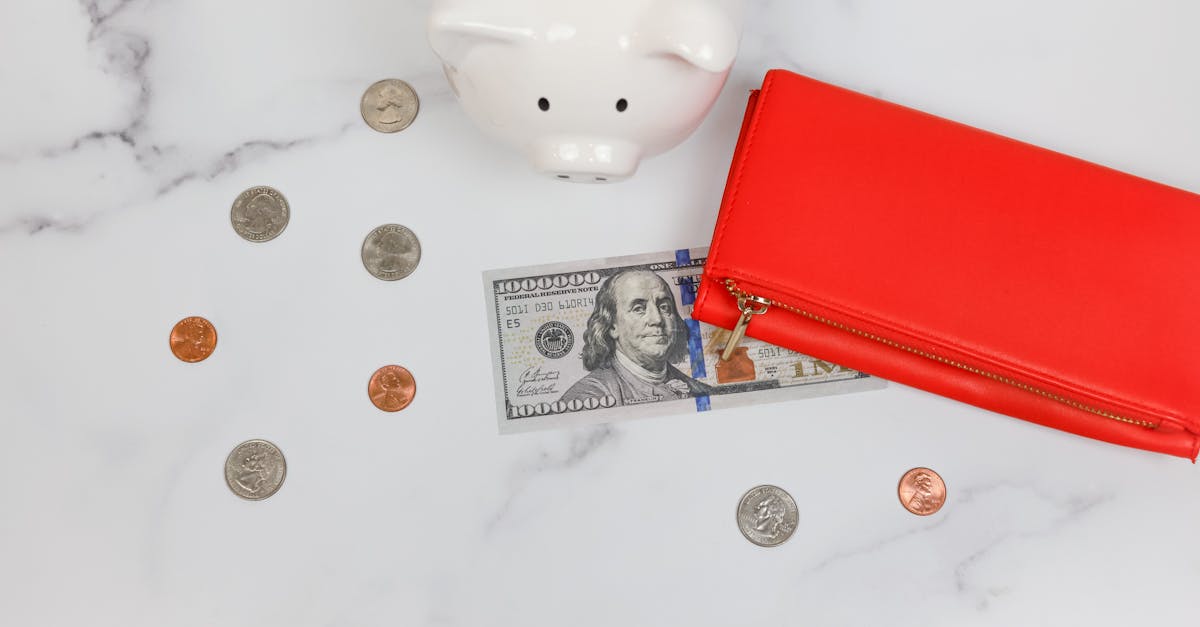
Household savings in the United States took a significant hit, with the personal savings rate plummeting to 4.5% in March, a stark contrast to the robust 8.9% recorded just a year prior. This decline comes during a period when inflation lingers at 3.3%, squeezing household budgets and prompting many to rethink their financial priorities.
The International Perspective
Globally, the American savings rate remains on the lower end of the spectrum. For example, in Canada, the savings rate stands at 9%, while Germany reports an impressive 10.5%. These countries have shown that higher rates can coexist with economic stability, underscoring challenges for U.S. households navigating these tough financial waters.
Inflation’s Heavy Hand
The relentless march of prices has been a crucial factor chipping away at savings. Essentials like food and energy have outpaced wage growth, which only increased by 4.3% over the same period. Amid these conditions, American consumers—grappling with rising costs in everyday life—are finding it harder to squirrel away funds, leading to a de facto rationing of their savings.
Interest Rates as a Double-Edged Sword
The Federal Reserve’s current interest rate stands at 3.64%, offering a mixed bag for potential savers. While higher rates can potentially benefit savers looking to grow their money, many Americans are simultaneously paying mortgages and loans tied to variable interest rates. That escalates monthly expenses, further complicating personal finance management. This pain is not just theoretical; it translates into real dollars, where a household with a $300,000 mortgage could see monthly payments rise significantly, straining budgets even tighter.
Shifting Savings Strategies
In response to financial pressures, households are adopting varied strategies. Many are diverting spending towards essentials and cutting back on discretionary purchases. A report from the Bureau of Economic Analysis highlights that non-durable goods consumption—a key indicator of basic necessity spending—remained stable, suggesting a reallocation of resources rather than an overall diminishment of financial activity.
The Generational Divide
Digging deeper reveals a divide among generations. Younger Americans appear more cautious, gravitating towards savings accounts and emergency funds, influenced by the lessons learned during the 2008 financial crisis. Conversely, older generations seem more willing to spend, propelled by a sense of urgency before retirement. This dual approach creates a dynamic landscape, where contrasting priorities lead to divergent saving patterns.
Looking Ahead: Resilience Amid Uncertainty
As inflation continues to test the mettle of American households, adaptability will define the path forward. Many are evaluating their savings strategies under the pressure of shifting economic realities, making room for innovation in financial planning. Given the current economic climate, the capacity of households to reevaluate and rebound might just be the most vital factor for sustaining growth in the consumer economy. The real question may not simply be how much Americans are saving, but how effectively they can navigate these turbulent waters as they chart their financial futures.