A Striking Shift in Household Saving Dynamics
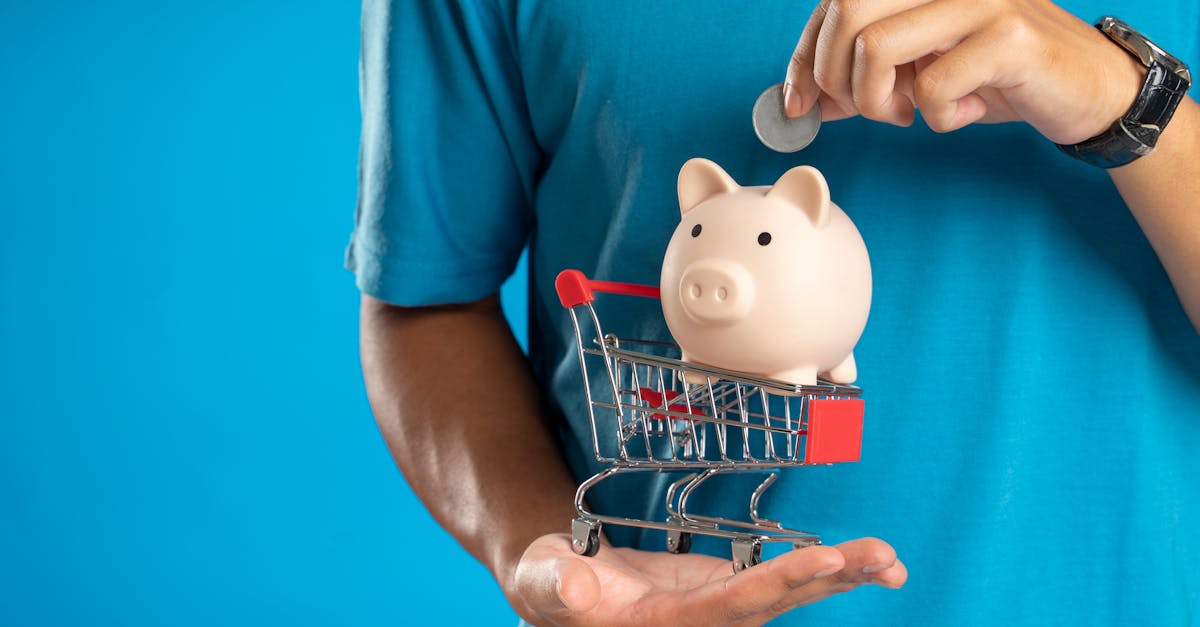
Household savings rates in the United States have unexpectedly surged to 9.4% in March, driven by a blend of cautious consumer behavior and persistent inflation. This figure stands in stark contrast to the 7.2% recorded just a year earlier. As families confront rising living costs amidst a consumer price index ticking up at an annual rate of 3.3%, the impulse to save has regained traction, underscoring a significant pivot in the American economic narrative.
Delving into the Details
To put this into perspective, the U.S. savings level now outpaces many of its global counterparts. For instance, Germany and France show household savings rates hovering around 8.3% and 7.5%, respectively. This suggests a robust resilience among American consumers as they adjust to current economic pressures. Such adaptive behavior showcases both an immediate reaction to environmental factors and a longer-term shift toward personal financial prudence.
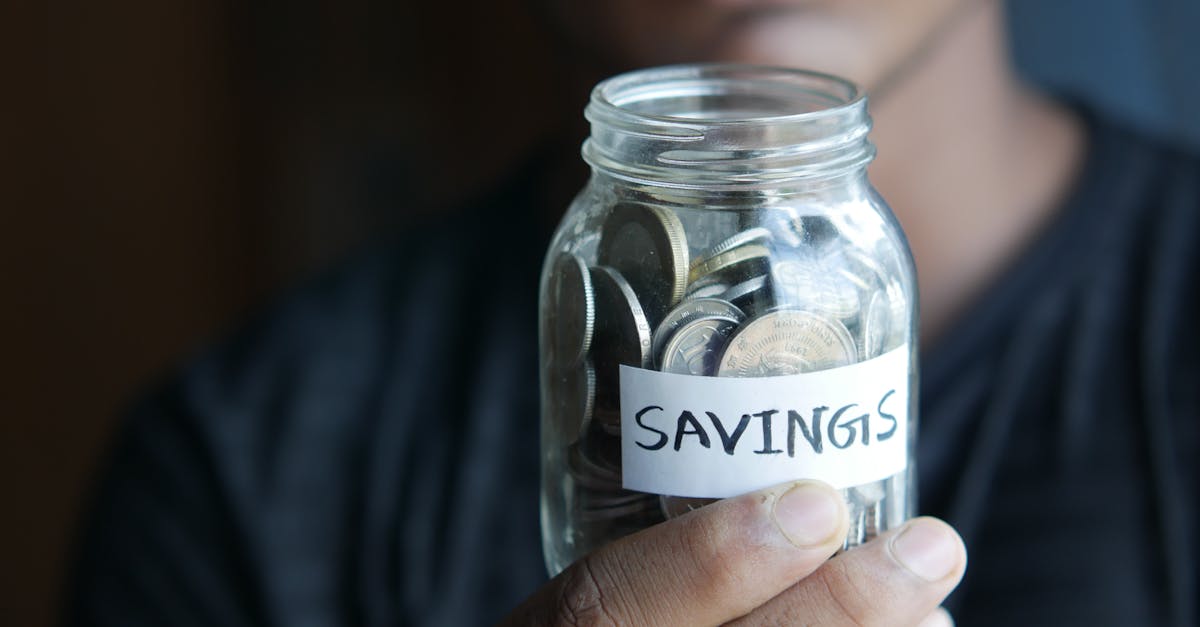
In practical terms, consumers are channeling their savings into emergency funds rather than extravagant expenditures. Historical data from the Federal Reserve illustrates that the personal savings rate had plunged to 3.1% in July 2021 amid pandemic lockdown impacts and fiscal stimulus programs. Fast forward to now, and the uptick signals a shift from unrestrained spending to a more calculated approach, rooting itself in uncertainty about economic stability.
Interest Rates: A Double-Edged Sword
However, the current interest rate of 3.64% presents a complex backdrop for savers. While rates are ascendant, primarily as the Federal Reserve raises rates to temper inflation, the returns from savings accounts still lag behind the inflation curve. Households are left navigating the paradox of earning less on their savings than the rate of price increases erodes their purchasing power.
Despite this, saving behavior appears to be getting a boost from a labor market that reflects an unemployment rate of 4.3%. A relatively healthy job environment appears to embolden consumers, allowing them to prioritize savings. Moreover, rising interest rates are pushing consumers to reconsider their finance strategies, with savings accounts becoming increasingly attractive as they yield slightly higher returns.
The Impact of Inflation on Spending
With inflation maintaining its grip on consumer costs, the dynamics of household spending and saving are shifting. Spending that once surged during the pandemic has moderated, with many consumers now opting for necessities over luxuries. Retail sales have seen slight increases, 1.2% from February, but transactions in discretionary categories have softened as consumers brace themselves for continual price surges.
Interestingly, confidence indices reveal that despite ongoing inflationary pressures, consumers are learning to operate in a high-cost environment. Adjusted expectations of income and spending have molded a behavior that seeks security in savings—especially among lower-income households heavily impacted by rising prices.
Looking at the Road Ahead
The journey for American household savings is evolving with each economic signal. As inflation levels stabilize and consumers fine-tune their financial behaviors, we may see a recalibration of what it means to save in an ever-changing landscape. The saving habits emerging now could lay the foundation for a more resilient consumer base, potentially altering the broader economic landscape.
As households recalibrate their financial strategies against a volatile backdrop, the emphasis on savings may not just be a temporary reaction but an enduring cultural shift, reshaping the American financial psyche for years to come.