$400,000: The Average Home Price in America
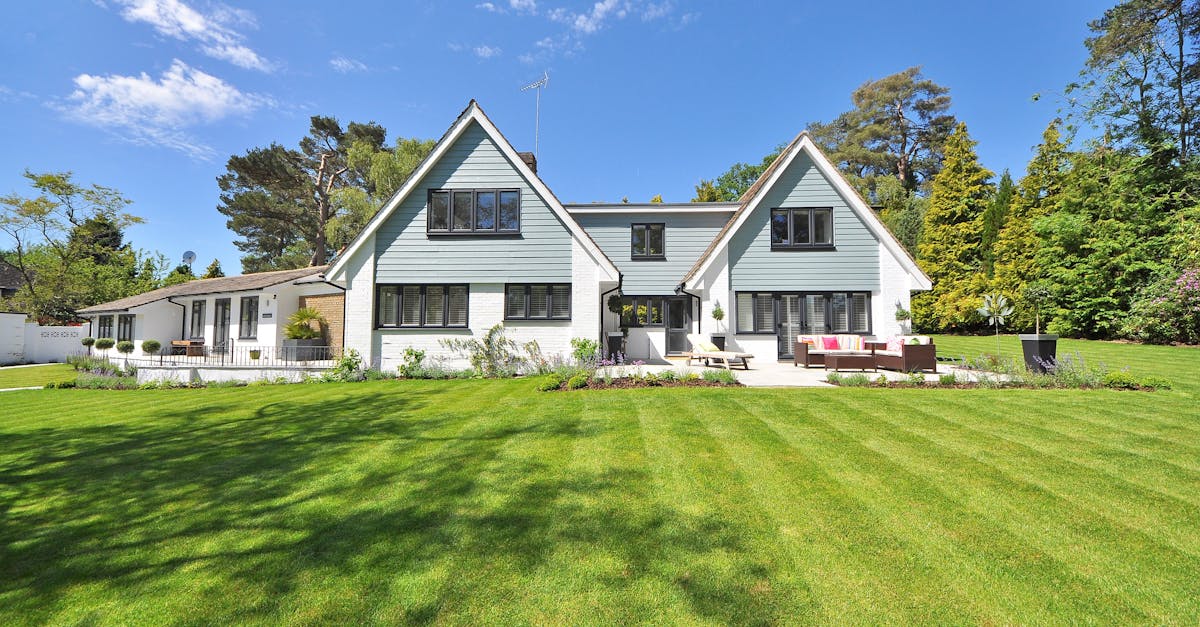
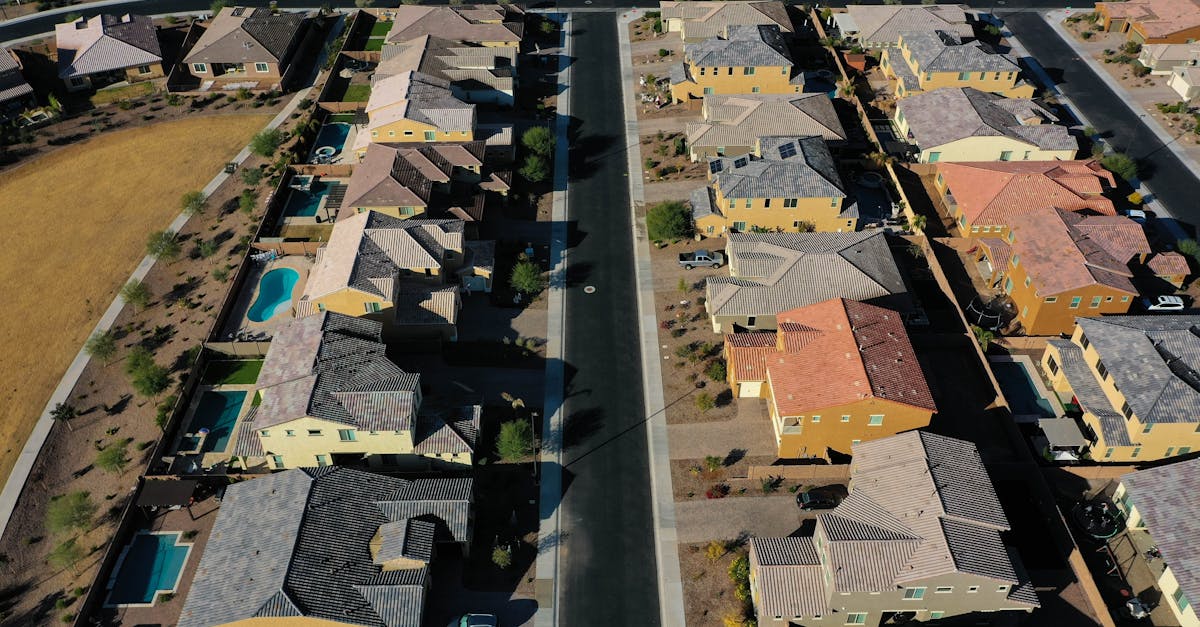
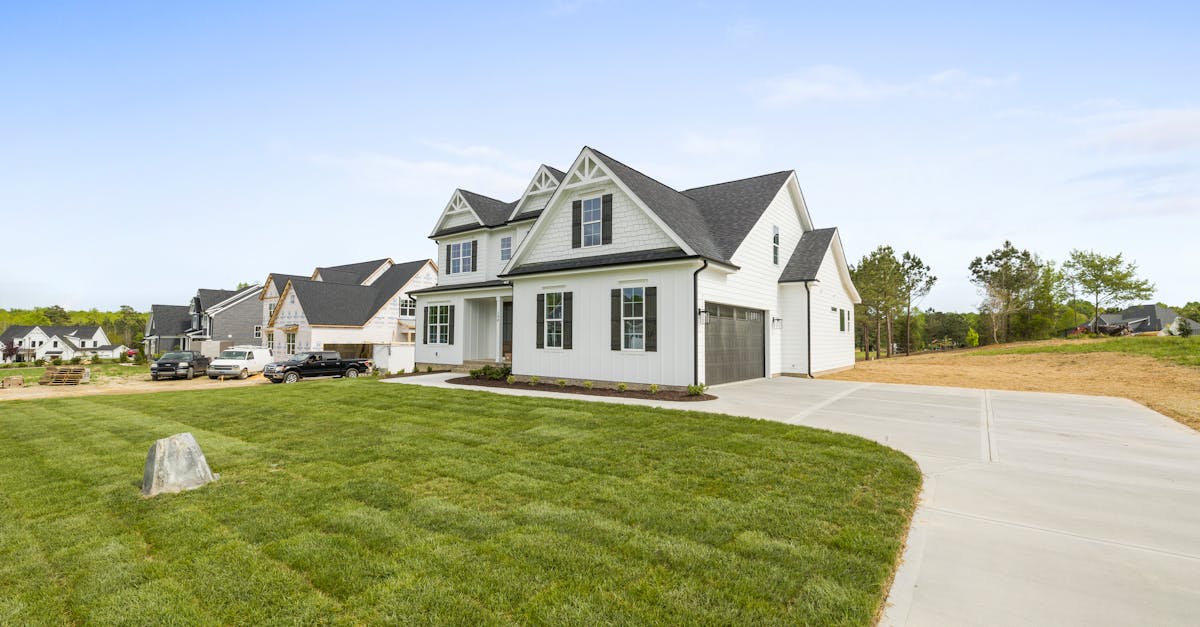
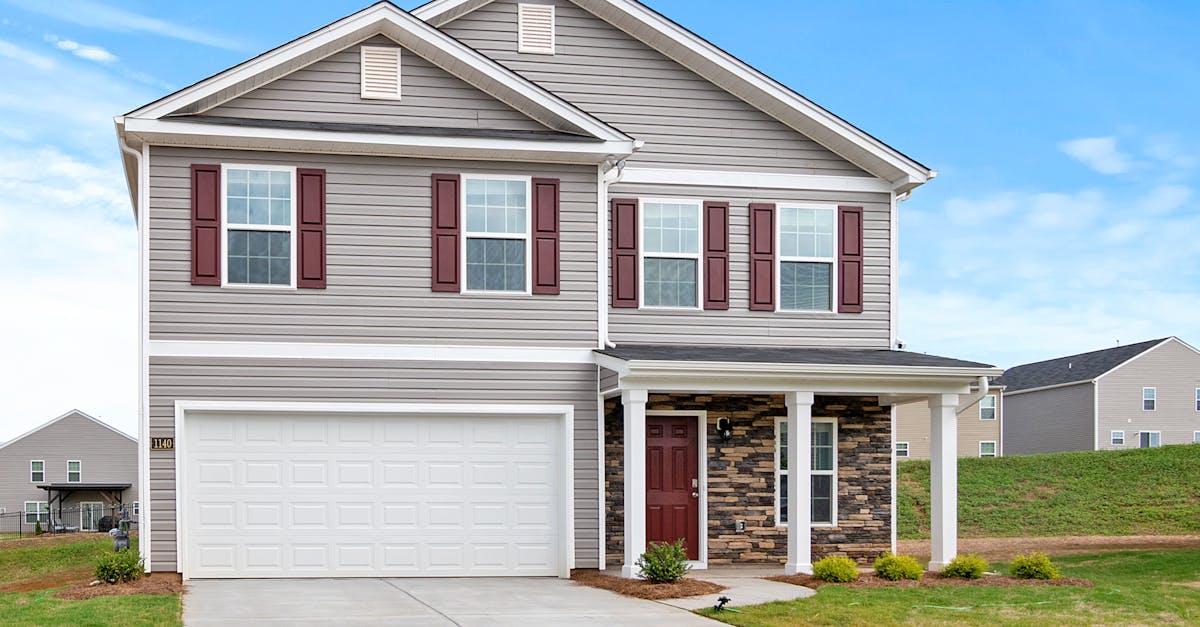
With the average price of a home now hitting approximately $400,000, achieving homeownership in the United States has become an uphill battle for many. A reported 19% increase year-over-year, according to the National Association of Realtors, paints a picture of a housing market that continues to defy conventional economic logic despite fluctuating economic signals.
As mortgage rates have surged, now reaching over 7% for a 30-year fixed-rate loan, potential buyers face compounding pressure from both high prices and elevated borrowing costs. The Federal Reserve’s aggressive stance on interest rates, in an effort to curb inflation, has inadvertently cooled demand but also kept prices elevated, creating a perilous standoff in the housing arena.
A Seller’s Market with Limited Inventory
The intensity of the current market can be observed in the staggering 2.6-month supply of homes available for sale, significantly below the balanced supply of six months typical for a healthy market. Inventory constraints are forcing many buyers, particularly first-time homebuyers, to remain on the sidelines or settle for less than ideal options.
This lack of inventory means that even as buyer demand starts to wane due to higher costs, competition for the limited homes available remains fierce. For those fortunate enough to enter the market, bidding wars are not uncommon, often leading to homes selling for well above their asking prices.
Impacts on Renters and Savers
While potential homebuyers face mounting obstacles, the rental market has also felt the strain. Rents across the country have inflated, rising 8.4% year-over-year according to the Zillow Rent Index, compelling many would-be buyers to reconsider their options entirely. The reality for renters includes diminished affordability and increased competition for rental units.
For individuals aiming to save for a down payment, this environment poses significant challenges. A higher savings threshold, alongside escalating living costs, makes homeownership appear to be a distant dream for many younger Americans, fostering a broader concern about generational wealth accumulation.
The Future of Homeownership in America
Looking forward, a potential stabilization of the housing market could emerge if interest rates start to decline in response to economic shifts. However, that scenario brings its challenges, particularly as it might not translate to immediate price corrections; years of appreciation have positioned many homeowners firmly against price declines.
The ongoing complexities underscore that the U.S. housing market is not merely a set of statistics but a reflection of American lives and aspirations, where these numbers translate into dreams of security, community, and investment. As the market evolves, those hoping to stake their claim in this American dream will need to remain vigilant and adaptive in a landscape marked by uncertainty.