Dissecting the Inflation Dilemma: Who Truly Benefits?
Imagine a world where inflation is praised for providing stability. Contrary to conventional wisdom, a February report reveals inflation has settled at 2.4%. This figure, often interpreted as a sign of economic recovery, paints a deceptively rosy picture. Consumers might expect sales to become more affordable as prices stabilize, yet many sectors are evading this narrative and leaving an uneven playing field in their wake.
The Tug of War: Sectors vs. Regions
Across the nation, inflation metrics show different characters. For instance, while the nationwide average is perched at 2.4%, certain cities, such as San Francisco and New York, continue to wrestle with costs that outstrip this average significantly. In San Francisco, housing expenses soar by nearly 10% year-on-year, surging far ahead of wage growth. Meanwhile, regions like the Midwest see a decline in prices—especially in agricultural commodities where deflation has stuck its claws, causing farmers to grapple with the implications of falling prices.
The temptation, then, is to marvel at how inflation appears temperate on the surface while fundamentally, the nation is split between inflationary hot spots and cooling markets. This divergence distorts the expectation that a uniform inflation rate would yield consistent economic benefits across all demographics or regions. Instead, stark contrasts arise between those who thrive in booming urban centers and those whose fortunes dwindle within rural enclaves.
The Unseen Pandemic of Consumer Strain
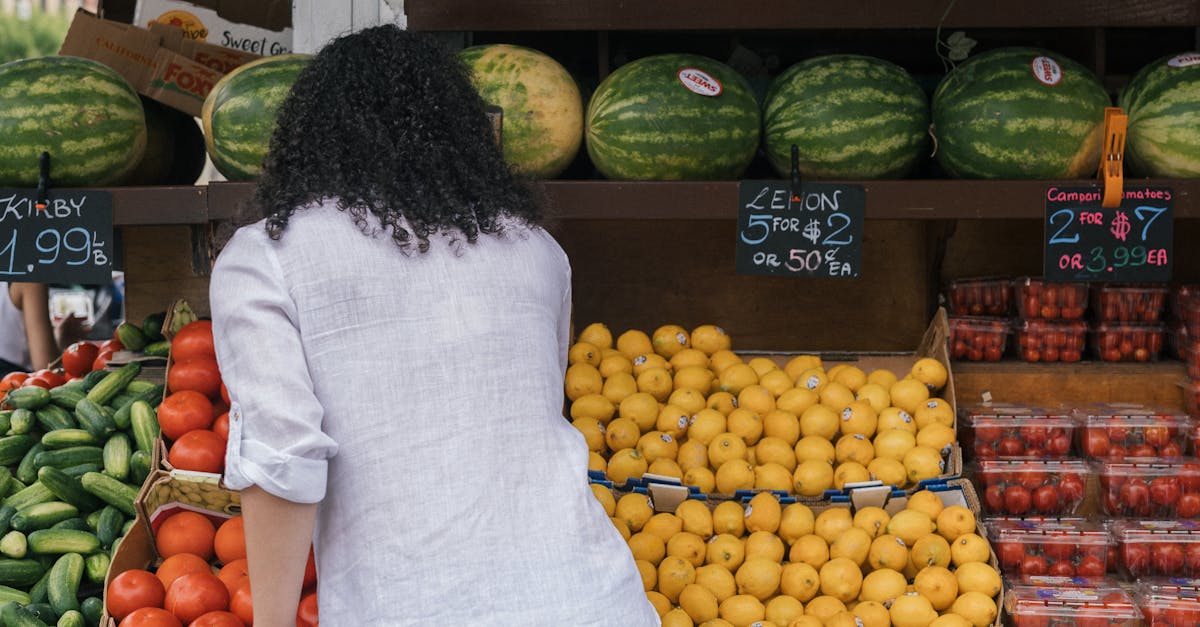
Beneath the headline rate, a more troubling trend lurks—consumer spending’s fabric is fraying. Although inflation rests calmly at 2.4%, many households are grappling with rising costs in essential goods such as food and energy. The Consumer Price Index (CPI) reflects an increase in food prices of around 5%, turning dinner table choices into potential crises for families on fixed incomes. Hence, a segment of the population faces a reality where inflation isn’t necessarily alleviating economic pressure, but exacerbating it.
Additionally, essential services, dominated by monopolies in healthcare and utilities, continue their relentless ascent in costs—prioritizing profits over consumers. As wages struggle to keep pace, the burden falls disproportionately on lower-income households, further inflating the socioeconomic divide.
Mississippi vs. Massachusetts: A Tale of Diverging Fortunes
Richer states, like Massachusetts, bask in the sunlight of innovation and economic dynamism while Mississippi lingers in stagnation. The Brookings Institution noted that states with robust tech sectors—usually the beneficiaries of venture funding and greater disposable incomes—have seen minimal impact from inflation when juxtaposed with states reliant on industries facing rising costs.
This juxtaposition not only highlights diverse outcomes from the same inflationary pressure but raises questions about economic mobility and opportunities. Will lower-income states ever shake off the gravity of their economic woes, or are they doomed to chase a fleeting dream of catching up to their wealthier counterparts?
The Decisive Fork: Where Do We Go from Here?
As central banks flirt with monetary policy adjustments aimed at controlling or stimulating inflation, the question looms large: Whose interests are being served? Wall Street portfolios expand, while Main Street grapples with the daily implications of inflated necessities. Are we perpetuating a system that benefits speculators over consumers?
In this landscape of rising costs and hidden disparities, the economic narrative remains unsettled. Are we, as a society, willing to confront the deeper inequalities illuminated by the current inflation rate? As we stand at this decisive fork in the road, where shall we steer the economic ship? Will the decisions made in boardrooms in New York reverberate positively through the households of Starkville, or are we merely witnessing the contours of an impending crisis? The answers lie ahead, shrouded in complexity and uncertainty.