A Prices Paradox
Surprisingly, despite a lingering inflation rate of 2.4% reported by the Bureau of Labor Statistics, many Americans are feeling the pinch of rising costs as if they were stuck in a time warp from higher inflation years. Rather than a general escape from inflationary pressures, the reality is filled with sharp contrasts: while some sectors enjoy relative stability, others are enduring significant pressures that transform purchasing power into a puzzling concept for households. The real question is why these two narratives coexist so starkly.
Expectations vs. Economic Realities
The hope was that inflation would stabilize across the board as pandemic-induced supply chain disruptions eased. Yet, data illustrates a stark reality. For example, energy prices have recently surged, showcasing volatility that complicates the economic landscape. Energy costs, which account for nearly 7.5% of household expenditures, have fluctuated dramatically, reflecting a year-on-year increase of over 18%. Utilities are not merely numbers on a spreadsheet; they represent visceral costs that significantly dent monthly budgets.
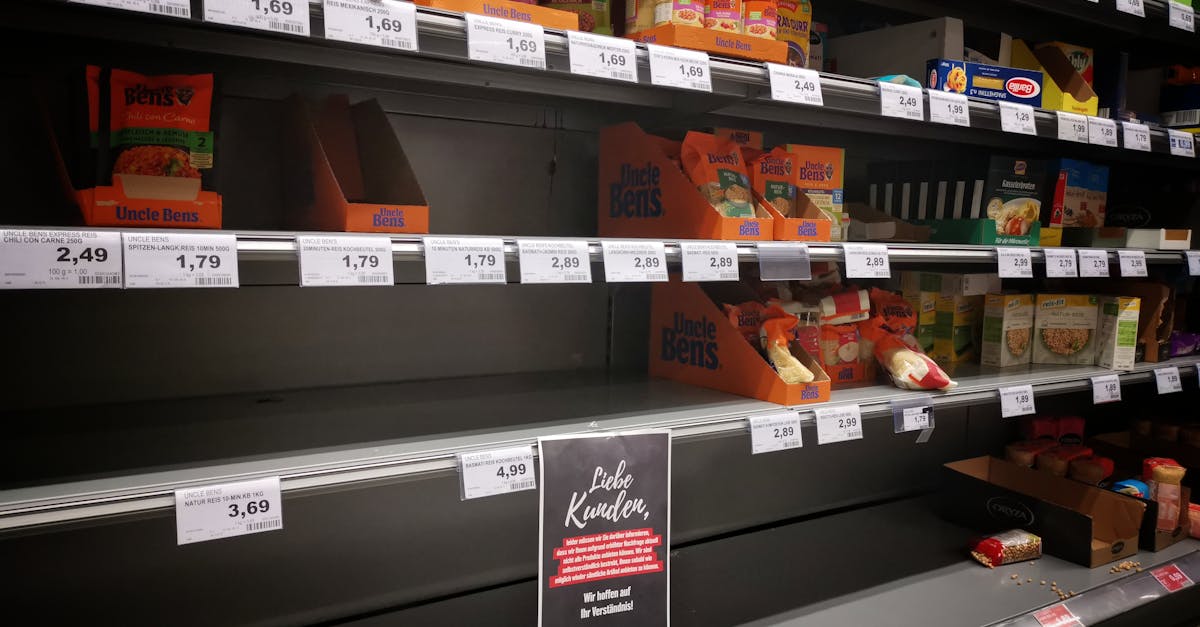
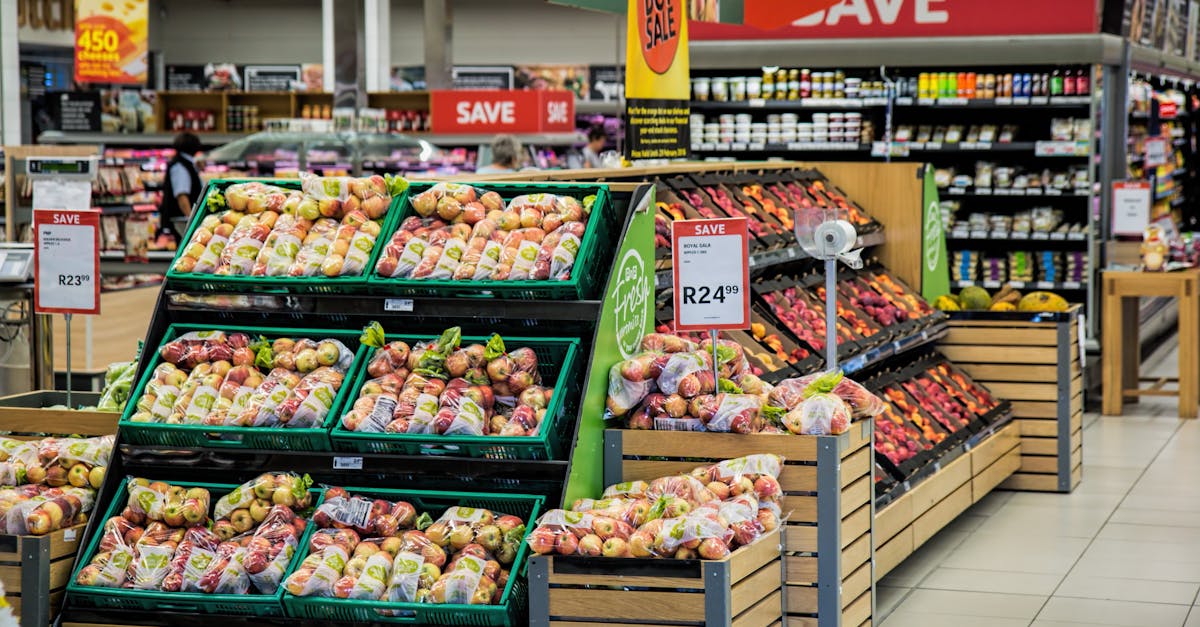
Meanwhile, the food sector holds its own peculiarities. While consumer prices for food at home have seen a modest uptick of about 3.1%, organic products are soaring at a much higher rate, reflecting shifting consumer preferences that are not in line with general trends. The disparity between essential goods and luxuries creates a widening gap between winners and losers—a stark reminder that while some families can absorb these additional costs, many others cannot.
The Disparity of Experiences
Regionally, disparities become even more glaring. States like Idaho and Wyoming report inflation rates well below the national average, attributing their resilience to lower housing and wage pressures. In contrast, coastal cities grapple with elevated costs driven by housing shortages and enviable lifestyles that come with a heavy price tag. This divergence places a spotlight on the discord in policy ramifications: a one-size-fits-all approach fails to address the unique challenges faced in diverse locales.
Unseen Trends Beneath the Surface
What often goes unnoticed is the acceleration of ‘shrinkflation’—a phenomenon where companies reduce product sizes while maintaining price points. This has permeated groceries, candies, and even household goods, leaving consumers perplexed at checkout. The shift in product quantity rather than price tag creates a more covert form of inflation that skews perceptions of consumer spending and affects budgeting strategies.
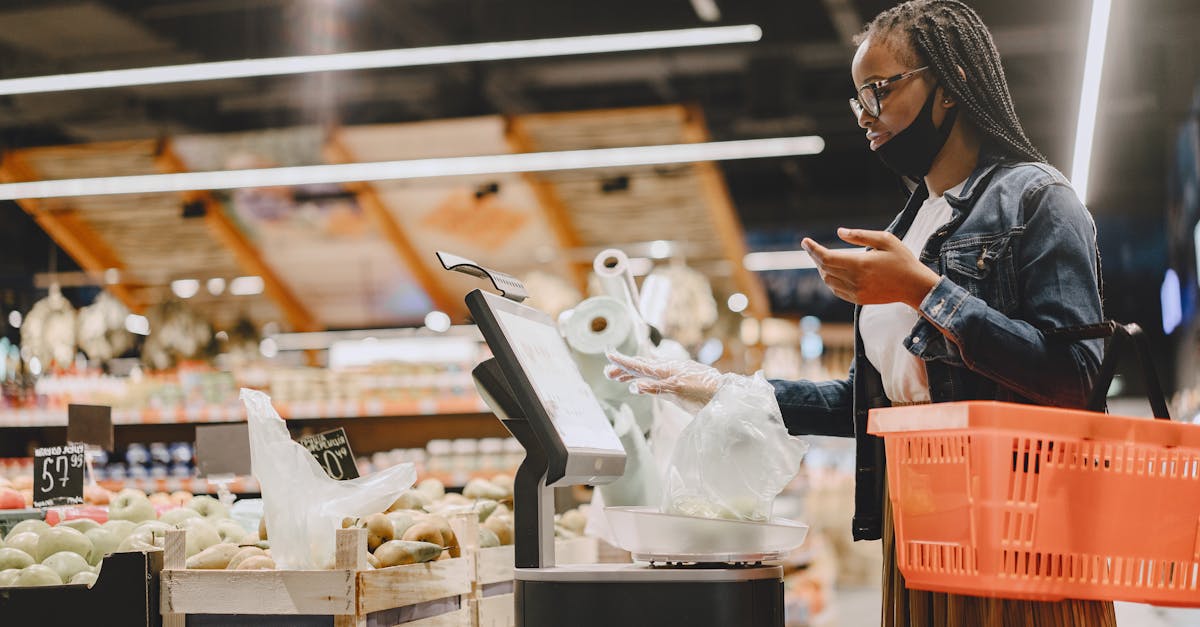
Moreover, wages have barely kept pace with these hidden inflationary effects. Average hourly earnings have seen a 4.2% rise on average, but even this cannot fully bridge the gap caused by consumer price increases in essential categories, leading to a net erosion of purchasing power for many. The workers pushed into labor markets from various sectors are finding that their hard work is yielding diminishing returns when weighed against rising living costs.
The Fork in the Road: A National Dilemma
Looking at global counterparts, the U.S. economy grapples with inflationary pressures while Europe and Japan exhibit even lower inflation rates, prompting questions about the effectiveness of domestic economic strategies. European nations have leveraged energy policies and different monetary strategies, raising eyebrows about what the U.S. could learn—or relearn—from these approaches.
Ultimately, the crux of this inflationary debate revolves around a pivotal question: Is the current inflation merely a temporary hurdle or a long-term challenge that will redefine the economic landscape as consumer preferences shift? As we navigate through the complexities of these economic realities, it becomes essential to question how legislative and fiscal strategies can adapt to maintain equity in this environment marked by volatility.
What remains clear is that undercurrents of inflation create a labyrinth of outcomes; the winners aren’t just those who thrive in the current economic atmosphere, but those who deftly navigate its challenges. As different sectors respond to pressures in their own ways, one wonders: How long can this balancing act sustain before we’re faced with a definitive fork in our economic journey?