How Does the U.S. Tax System Affect Everyday Life?
Understanding the U.S. tax system is crucial not just for policymakers but for everyday Americans. Why does the government impose taxes, and how do they influence economic behavior and quality of life for citizens?
The U.S. tax system can often feel convoluted, but at its core, it operates through a straightforward cause-and-effect chain. The government raises revenue primarily through income taxes, payroll taxes, corporate taxes, and various other taxes, which then fund a plethora of services and benefits for citizens.
The Mechanics of Taxation
-
Cause: Revenue Collection
Federal, state, and local governments collect taxes to fund public services such as education, infrastructure, and social security. For instance, the federal government raised approximately $4.9 trillion in total revenue in a previous fiscal year, indicating a strong reliance on taxes. -
Mechanism: Redistribution and Incentives
These funds are redistributed across society, serving various segments, including low-income families through programs like the Earned Income Tax Credit (EITC). This credit effectively incentivizes employment while alleviating poverty, resulting in improved living standards for many. -
Effect on Real People: Fiscal Reality
The impact of these tax policies is palpable. With inflation at 3.8% as of April 2026, consumers find their purchasing power squeezed, making it harder to cover daily expenses. The current unemployment rate also factors in, sitting at 4.3% as of May 2026, indicating a tight labor market where job seekers face both opportunities and challenges.
Key Figures
- Federal Revenue: $4.9 trillion
The Layers of Complexity
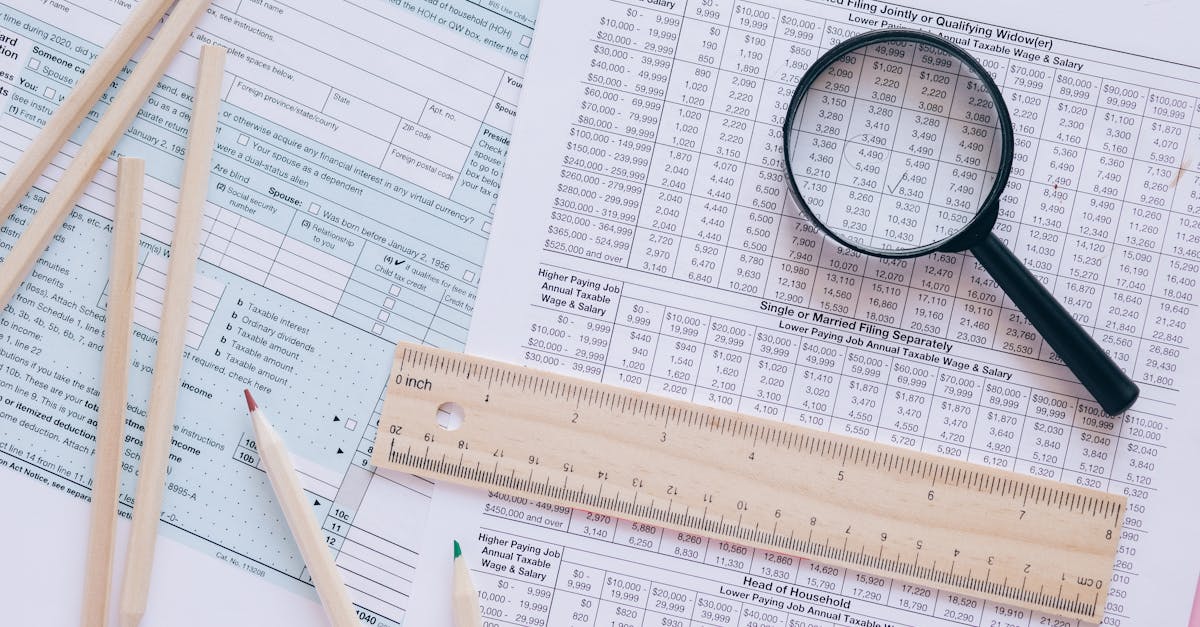
The intricacies of tax law further complicate individual experiences. Tax brackets define how much individuals owe based on income levels, creating a progressive taxation system. For example, higher earners are taxed at increased rates, which can lead to debates over fairness and economic mobility.
Yet, there are nuances. Deductions and credits can significantly alter tax liabilities. While a family of four might benefit from substantial deductions, another individual may face a higher effective tax rate if they lack similar eligibility. This inconsistency can spark frustration and a sense of inequity among different income groups.
Interest Rates and Economic Behavior
Additionally, interest rates play a pivotal role in shaping tax policy and economic viability for individuals and businesses. As of May 2026, the Federal Reserve’s interest rate stands at 3.63%. This rate influences borrowing costs, impacting consumers’ ability to spend on housing, automobiles, and other essentials.
Higher interest rates can discourage taking on debt, subsequently affecting consumption and investment levels. The tax implications become clearer: reduced consumer spending could lead to lower tax revenues and adjustments in government budgeting priorities.
What to Watch
Going forward, the interplay between rising interest rates and continued inflation will be critical for lawmakers and taxpayers alike. Attention should turn toward potential reforms that may aim to address the inequities in the tax system, providing a more streamlined approach to taxation that responds to the current economic climate. Moreover, shifts in policies regarding corporate taxes may also hint at broader economic shifts, reflecting priorities that will shape fiscal policy in the near future. Keeping an eye on legislative trends will provide insights into how tax reform could emerge from these dynamic economic forces.