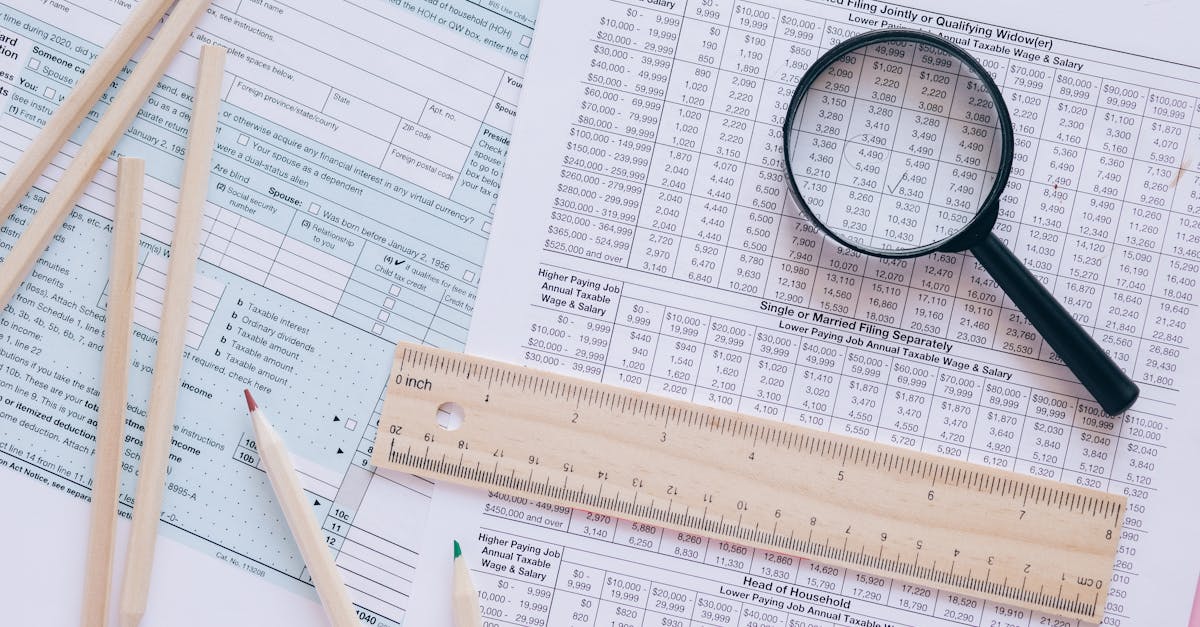
How Does the U.S. Tax System Shape Lives?
The intricate web of the U.S. tax system raises a fundamental question: How does it influence not just the lives of its citizens but also the broader economy? To unravel this, it’s essential to examine the relationships between tax policy, government spending, and everyday citizens.
The U.S. tax system primarily involves various forms of taxation: income tax, capital gains tax, payroll taxes, and sales tax, among others. Each of these taxes serves a distinct purpose, and their interaction creates a ripple effect on consumer behavior, business growth, and, ultimately, the economy.
Taxes at Work: Cause and Effect
The relationship between tax policy and economic outcomes is pivotal. Let’s break it down:
-
Cause: Changes in Tax Rates
The government periodically adjusts tax rates to meet fiscal goals. Recent tax reforms aimed at stimulating growth have favored corporate tax reductions. -
Mechanism: Increased Corporate Profits
Lower corporate taxes often lead to higher after-tax profits for companies. Businesses may respond by investing more in expansion, innovation, or hiring, driven by the increased returns on investment. -
Effect: Job Creation and Wages
If investments lead to job creation, the effect on individuals is profound. The Bureau of Labor Statistics reports an unemployment rate of 4.3%. When companies invest, they not only create jobs but also raise wages to attract talent, improving living standards.
This chain reaction outlines a clear trajectory from policy changes to real-world consequences.
Taxation and Consumer Behavior
Tax policies also directly influence consumer spending—an essential driver of economic activity. Consider the following points:
- Income Tax: A higher income tax diminishes disposable income, leading consumers to cut back on spending.
- Sales Taxes: When state or local government raises sales taxes, consumers tend to reduce consumption of non-essential goods, thus impacting retailers and service providers.
With inflation currently at 3.8%, adjustments in taxation can either cushion or exacerbate financial pressures on households. If disposable incomes shrink due to higher taxes, families face tough decisions about their purchases, potentially leading to a broader economic slowdown.
Who Bears the Brunt?
Different groups experience the tax burden variably:
- Low-income individuals may feel the pinch more acutely than higher earners, as they typically spend a larger portion of their income on necessities.
- Middle-class families often balance on the edge of rising costs and stagnant wages, making them sensitive to tax adjustments.
- Wealthier individuals may have the means to navigate a complex tax system and mitigate their effective rates.
Key Figures
- Inflation Rate: 3.8%
- Unemployment Rate: 4.3%
- Interest Rate: 3.63%
What to Watch: Future Implications of Tax Changes
As we move forward, consideration of how potential tax reforms may shape future economic landscapes becomes critical. With the current interest rate at 3.63%, financing for consumers and businesses hinges on how these rates interplay with fiscal policies. Prudent adjustments or new introductions in the tax system could either stabilize or destabilize economic growth in the coming months.
This interplay directly affects the social fabric, as funding for essential services—like healthcare and education—largely relies on collected taxes. The direction the tax system takes will be crucial to observing how it affects both public welfare and private prosperity.