A Paradox at the Core
Inflation has settled at 3.8%, a figure that might suggest a manageable economic climate. On the surface, this number aligns with the Federal Reserve’s goal of keeping inflation around 2%. However, this veneer of equilibrium masks deeper contradictions within the economy, as consumer sentiment grapples with the reality of rising prices against a backdrop of uneven recovery.
Expectation vs. Reality: A Divergent Landscape
Expectations were built on the Federal Reserve’s narrative of gradual interest rate cuts. Analysts predicted that inflation would ease while consumer confidence would surge. The reality tells a different story. In sectors like healthcare and housing, prices have not only outstripped wage growth but also created a sense of financial strain that starkly contrasts with the broader inflation figure. For instance, as of March, housing costs rose by 8.5%, a severe burden for those in urban areas, while the national wage growth barely scraped above 4%. This discord illustrates a growing divide between inflation metrics and lived experience.
Regions are feeling the pinch differently. Take the Midwest versus the West Coast—a tale of two economies. While a tech-driven resurgence in California has led to wage growth surpassing inflation in sectors like IT, households in the Midwest face stagnant wages and escalating prices, particularly in food and basic services. This geographical disparity reveals systemic inefficiencies that are often overlooked in mainstream discussions.
What’s Lurking Beneath the Headlines
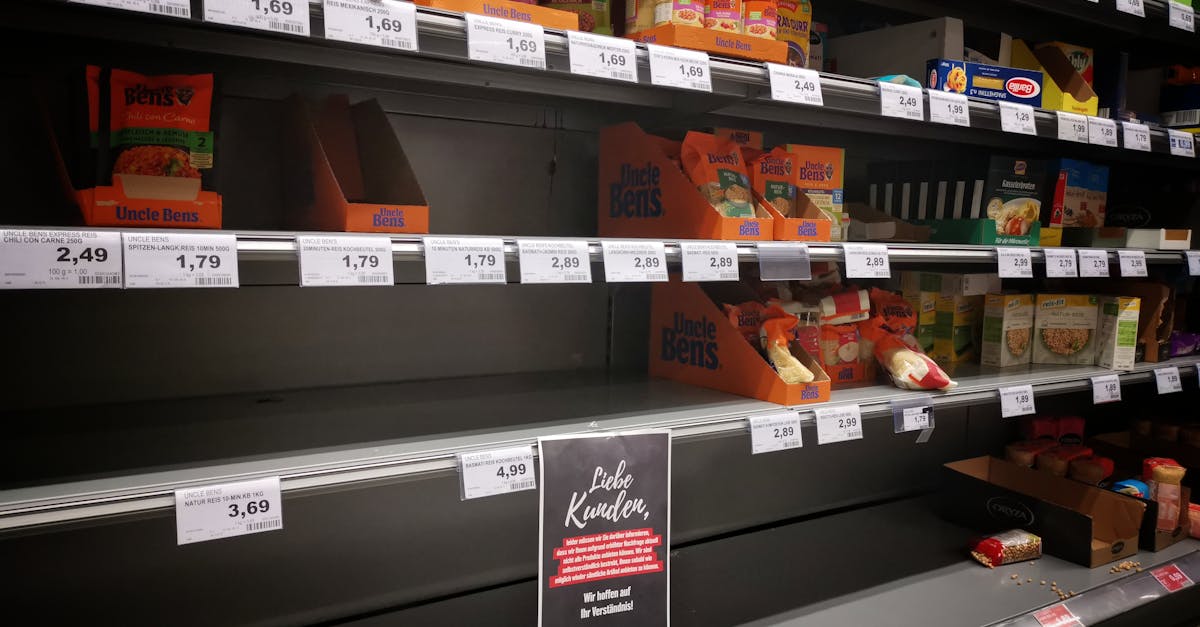
As inflation numbers dominate headlines, the nuances often get buried. A revealing trend is the significant distortion observed in essential goods versus luxury items. Basic consumer staples have experienced a spike, with meat prices jumping nearly 10% in the past year, reflecting supply chain issues and drought impacts on livestock. Meanwhile, the luxury goods segment has largely weathered these tumultuous times, with high-end retailers reporting impressive growth, creating a stark contrast between those who can and cannot shield themselves against inflation’s reach. This divergence shines a light on a wider factor, namely class stratification, which is increasingly being overlooked as policymakers craft responses.
Consider this: while luxury goods and services continue to thrive, the bottom-tier consumers bear the brunt of strategies aimed largely at stabilizing corporate interests. This reality is fuelling debates about the moral and ethical implications of economic policy in a country grappling with inequality at unprecedented levels.
The Looming Fork in the Road
As the Federal Reserve grapples with its next moves—whether rates will rise or if the downward shift continues—new evidence arises to challenge established norms. Inflation that feels restrained at 3.8% may present an illusion of control. The real question remains: how will authorities balance the needs of consumers who are at their breaking point with the imperative of ensuring economic stability for corporations? Political winds in Washington are shifting narratives, yet the grassroots struggles appear far removed from the corridors of power.
The larger economic fork looms: either policymakers will pivot to address stark consumer realities or persist with their gradualist approach, which might falter in the face of a consumer base that feels increasingly disenfranchised. What path will lead the United States to a sustainable equilibrium—one that not just stabilizes numbers but serves the broader population? The answers lie tangled in the complexities of markets that no one seems to fully understand yet—a reality both compelling and starkly human.