Home Prices Skyrocket 34% Since 2020
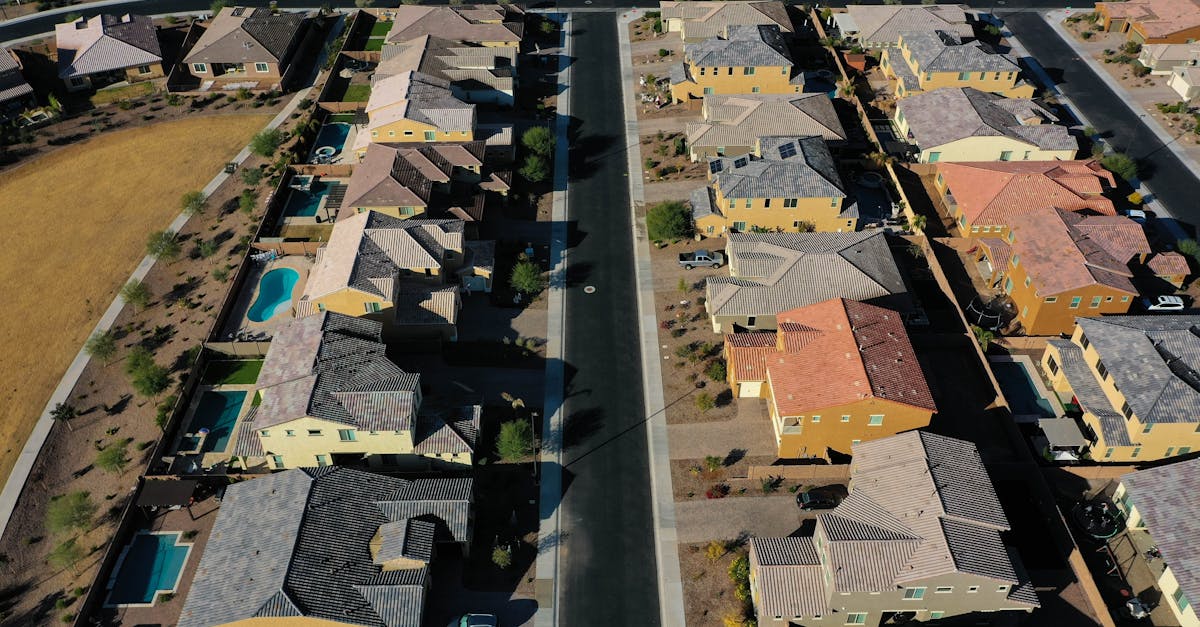
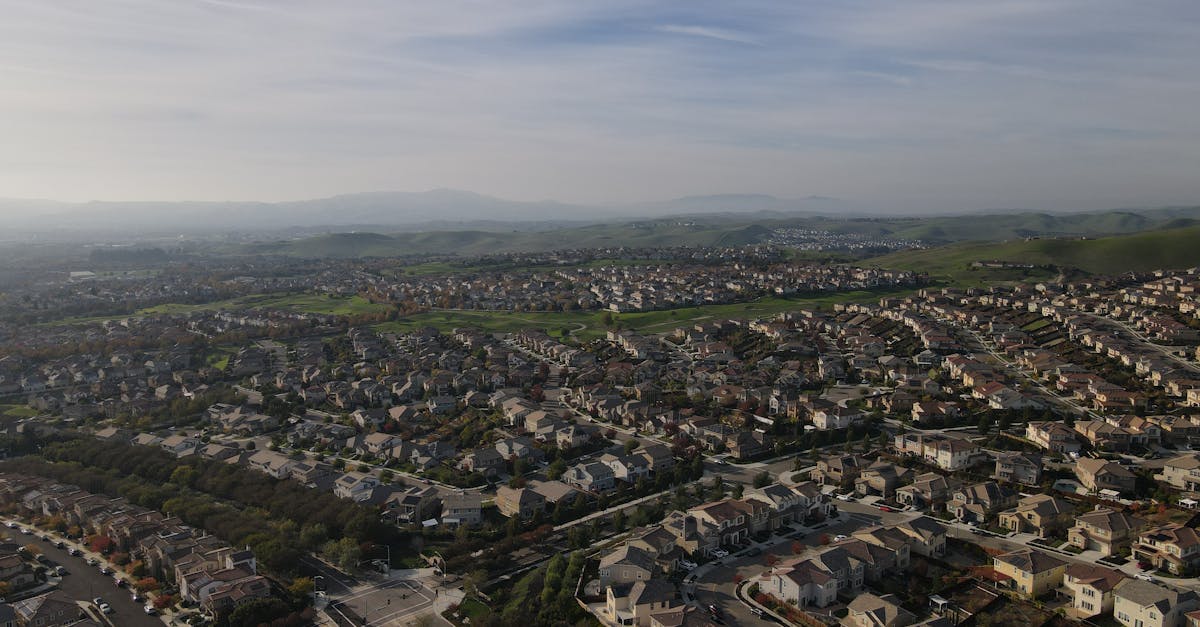
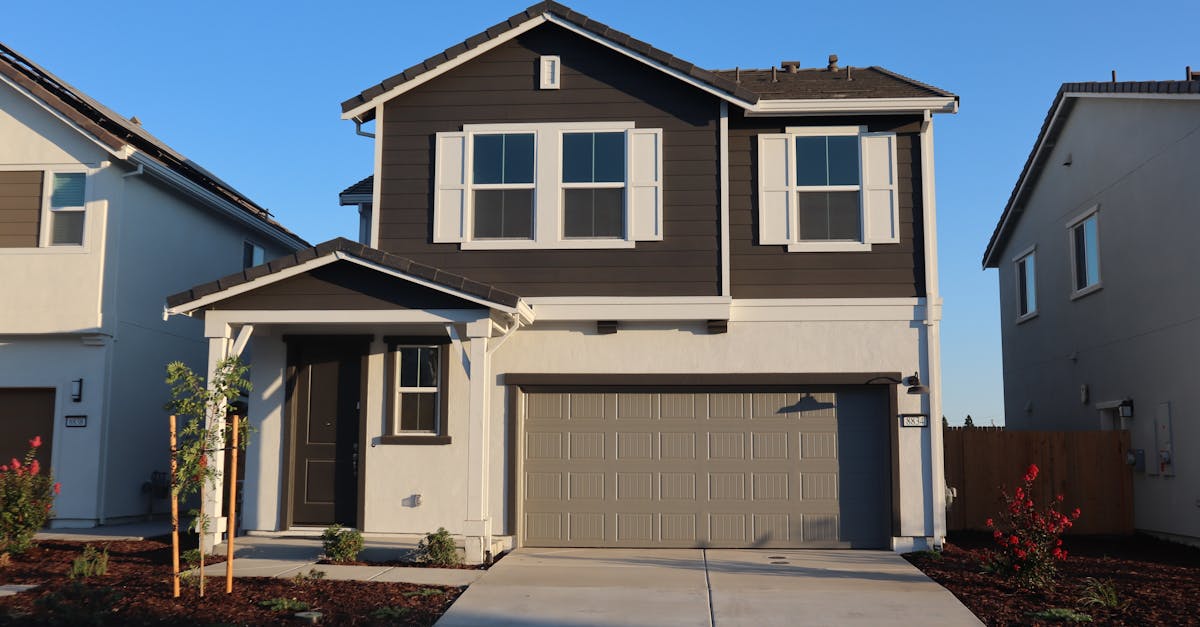
An astonishing 34% increase in median home prices since 2020 has turned the American housing market into a complex labyrinth for buyers and renters alike. This surge, revealed through data from the Federal Housing Finance Agency, places current median home prices at approximately $405,000, up from around $302,300 three years prior. With the ongoing affordability crisis, it begs the question of who can actually participate in today’s market.
Interest Rate Strain
Simultaneously, the Federal Reserve’s relentless rate hikes have narrowed home-buying options. As of October, the average 30-year fixed mortgage rate climbed to 7.08%, the highest level since long before the pandemic disrupted financial norms. When home prices and borrowing costs skyrocket concurrently, potential buyers feel squeezed, driving many to reconsider their options.
The Rental Crisis
Rents are not exempt from this chaos. According to the Bureau of Labor Statistics, rental prices rocketed by almost 7% over the past year alone. For those unable to buy, this costly rental landscape further complicates the situation. With the median rent hitting approximately $2,040 in August, many are resorting to sharing spaces or delaying life milestones like marriage or parenthood.
Economic Friction
The dilemma extends beyond mere numbers; it reflects a broader economic unease. The consumer confidence index fell to 106.1 in September, driven by worries about housing affordability and rising costs of living. This disconnect between wages and housing costs — with average hourly earnings stagnating at $33.6 — means a significant portion of the population faces income-to-housing ratios we haven’t seen since the pre-2008 crisis.
Investment Shifts
With traditional homeownership feeling increasingly out of reach, investors have shifted gears toward rental markets, further inflating prices. The National Multi Housing Council reports that over 60% of new multifamily constructions in 2023 aim to attract renters. This influx of capital may stabilize some areas but exacerbates rents in competitive markets.
Looking Inside The Numbers
Diving deeper into demographics reveals that first-time homebuyers, typically entering at lower price points, are bearing the brunt of this crisis. The National Association of Realtors credits these individuals with only a 26% share of homes sold in September, a steep decline from their historical average of 40%. This shift alters traditional benchmarks and lays bare a systemic issue in entering homeownership.
What Lies Ahead
As winter approaches, the housing market faces critical thresholds. Flexibility from policymakers, particularly through affordable housing initiatives, could be necessary to alleviate pressure on both buyers and renters. The next few months will be pivotal as seasonal adjustments often reveal deeper market tendencies that could indicate where prices are headed.
Negotiating these hurdles effectively will be critical for both current and future homeowners.