Savings Rate Plummets Amid Economic Pressures
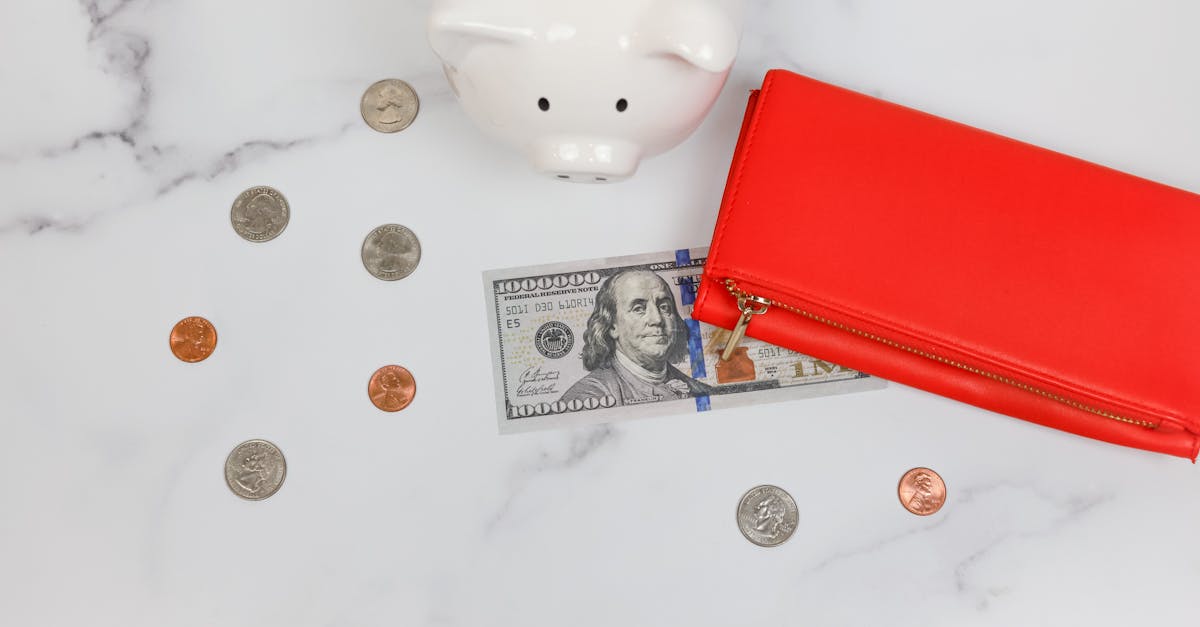
At 4.7%, the U.S. savings rate has hit a 15-year low, a stark decline from its peak of 33% during the pandemic’s early days. This downturn signals significant shifts in American household financial behavior as families grapple with increasing costs of living and elevated interest rates.
A Nation Compared
For context, the average savings rate across advanced economies stands at about 10%, highlighting the vulnerability of U.S. households in comparison to their international counterparts. Countries like Germany and the Netherlands boast rates exceeding 15%. With inflation currently at 3.8%, U.S. households are faced with a dual challenge—managing rising prices while attempting to save, resulting in a delicate balancing act that many are struggling to maintain.
The Ripple Effect of Inflation and Interest Rates
Households aren’t just feeling the pinch from inflation; the Federal Reserve’s interest rate, now at 3.64%, compounds the situation. With costly borrowing and high consumer prices, disposable income shrinks, leading to further declines in savings. Consider this: between 2021 and 2023, as inflation surged, consumer sentiment dwindled, and the savings hold for many Americans tightened from a safety net to a mere thread.
Unemployment: A Silver Lining or a Looming Threat?
With unemployment at 4.3%, the labor market has shown moderate resilience. However, even with jobs available, wage growth has not kept pace with inflation. The Federal Reserve’s approach to controlling inflation—including potential further interest rate hikes—raises questions about how long this equilibrium can last before swallowing the fragile progress made in the job market.
Spending vs. Saving: A Conflicted Stance
Decreasing savings doesn’t equate to diminished spending—quite the contrary. Families are prioritizing immediate needs over long-term financial security. Discretionary spending remains robust, fueled by pent-up demand from pandemic-related restrictions. Yet, as real wages lag, this cycle might be unsustainable, leading to potential cutbacks in the near future.
A Changing Financial Landscape
Financial literacy initiatives and budgeting tools are emerging as critical resources amid these trends. Households are reevaluating their relationship with debt in light of rising interest rates, often opting for more conservative spending habits when possible.
What Lies Ahead?
As the savings rate continues to drift lower, families are likely to face tougher choices in managing their finances. While some may find creative ways to adapt, the reality remains that a resurgence in savings will hinge on stabilizing inflation and favorable job growth. The evolving economic landscape will demand nimbleness from households as they navigate the financial implications of current economic realities.