Savings Rates Under Scrutiny
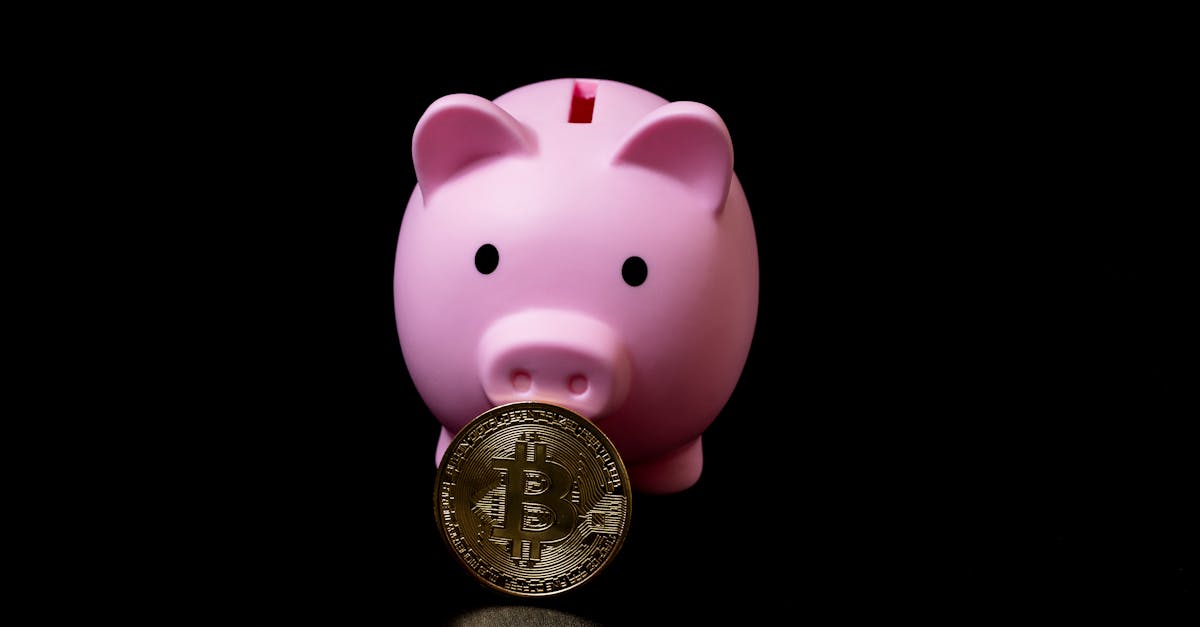
American households collectively held $1.1 trillion in savings as of the latest reports, reflecting an enviable personal savings rate of 10.5%. However, this snapshot masks a troubling reality: as inflation continues to gnaw at purchasing power, Americans are feeling the pinch.
Inflation’s Silent Erosion
At a current rate of 3.8% per annum, inflation is the stealthy thief undermining the allure of those substantial savings. A year ago, the monthly Consumer Price Index (CPI) was considerably lower, which means households are now grappling with higher prices for essentials. For context, countries in the Eurozone, for instance, have experienced an average inflation rate closer to 2.5%, demonstrating a stark difference in fiscal pressures impacting American consumers.
Interest Rates and Saving Choices
On the other side of the coin, the Federal Reserve’s rate stands at 3.63%. This increase in the benchmark interest rate presents a dilemma for savers weighing the need to maintain liquidity against the lure of higher-yield savings accounts or bonds. With unemployment rates hovering at 4.3%, a broad swath of workers feels secure enough to allocate portions of their income toward savings. Yet, the increase in the cost of living forces many to evaluate whether saving is possible amid growing expenses.
Diverging Paths in Savings
The savings landscape is also complicated by demographic divides. Younger Americans, for instance, may find it tougher to save due to student debt and high housing costs. A Federal Reserve report revealed that younger millennials hold only about 2% of their income in savings, compared to baby boomers who typically save upwards of 9%. This trend raises questions about generational wealth accumulation and the ability of younger cohorts to financially weather economic storms.
Spending vs. Saving
Interestingly, as inflation continues, consumer spending patterns are shifting. According to the Bureau of Economic Analysis, consumer spending, adjusted for inflation, increased by 2.7%. While this is a positive signal for economic growth, it may also indicate that households are increasingly constrained, spending what they can to maintain their lifestyles.
The Tipping Point for the Middle Class
The middle-class perspective offers a compelling narrative. As families grapple with soaring costs for gas and groceries, the traditional safety net of savings is becoming precarious. For many in the middle class, the distance between savings and expenses has narrowed dangerously. The stark contrast between measured savings rates and spiraling costs suggests that achieving financial peace of mind may soon be a luxury few can afford.
The Road Ahead
Facing headwinds from inflation and rising interest rates, American households find themselves walking a tightrope. Balancing their financial futures while addressing the immediate pressures of a complex economy will dictate the paths ahead for many. As individuals and families reassess their financial priorities in such an uncertain environment, the landscape of personal finance may evolve in unexpected ways. The real question may not just be about how much Americans are saving, but about how they choose to navigate and adapt to an ever-changing economic reality.