A Staggering Surge: Housing Prices Defy Expectations
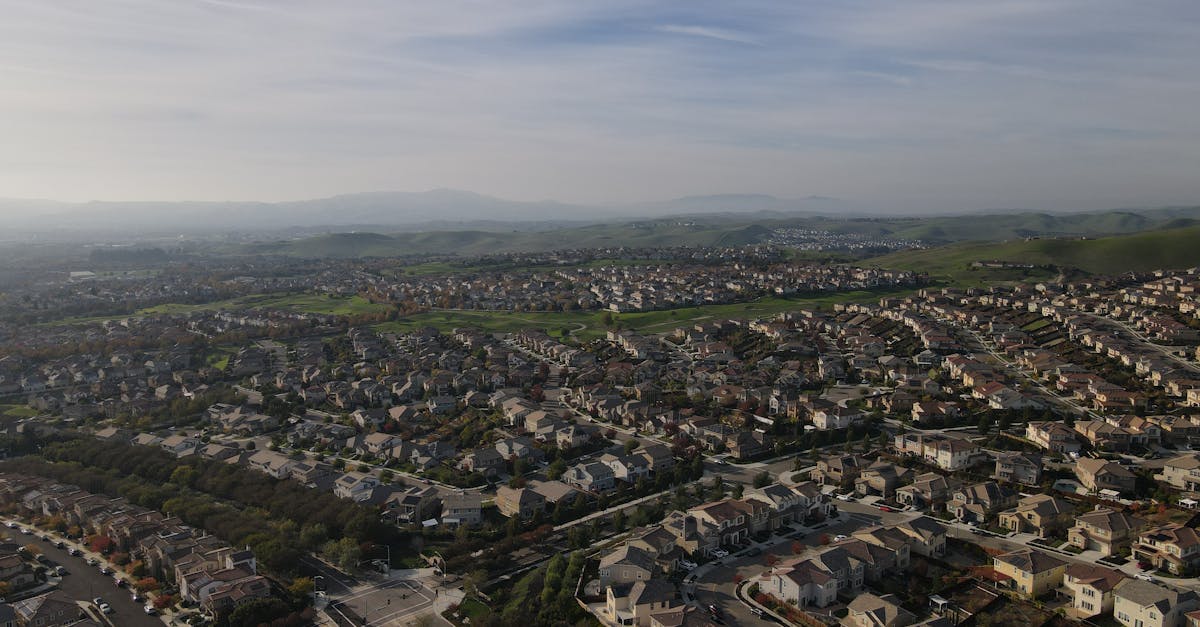
The U.S. housing market has seen an astonishing year-over-year increase of 13.4% in median home prices, reaching $430,000 as of August 2023, according to the National Association of Realtors (NAR). This surge defies expectations and reflects a complex interplay of demand, constrained supply, and evolving consumer behavior.
With interest rates hovering around 7%, first-time homebuyers are grappling with affordability challenges that intensify the competition for existing homes. This situation is particularly pronounced in metropolitan areas, where prices are surging faster than national averages; for instance, San Diego’s median price has skyrocketed to nearly $800,000, up 14% from the previous year.
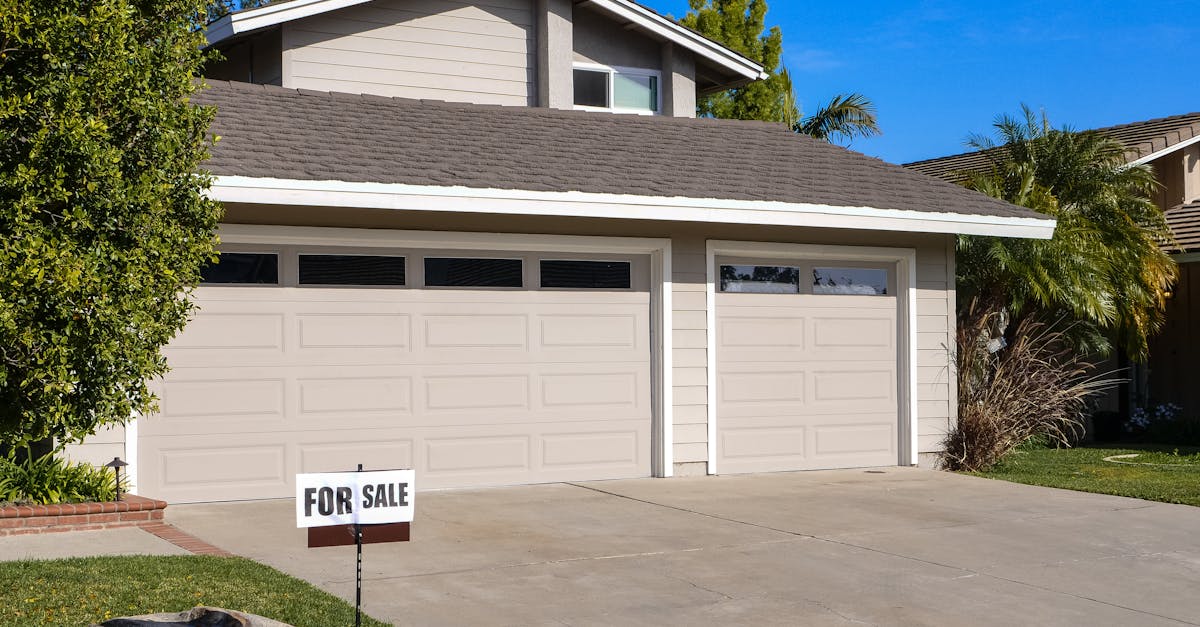
In a landscape on fire with demand, constrained inventory remains a persistent issue. The NAR reported a mere 1.1 million homes for sale, a decrease of about 43% compared to the pre-pandemic levels, suggesting that sellers are hesitant to enter a market where they would face high prices for any replacement properties. The resulting imbalance has led to bidding wars, leaving buyers to navigate increasingly competitive and stressful conditions.
The Ripple Effect on Rentals
Rising home prices are not an isolated phenomenon; they also have a profound impact on rental markets. The latest Consumer Price Index (CPI) data indicates that rent for primary residences increased by 8% over the past year, reaching an average of $1,887 per month. This inflation in rent further complicates homeownership aspirations, particularly for Millennials and Gen Z, who already face burdens from student debt and stagnant wages.
As homeownership becomes less attainable, renting is becoming an inevitable long-term solution for many. This shift emphasizes the significant threat of rising living costs, forcing households to allocate more of their incomes to housing. According to a recent survey by Zillow, nearly half of renters reported considering staying in their current rentals despite rising costs to avoid the chaos of home buying.
The Changing Face of Home Buyers
Demographic shifts are also redefining who is purchasing homes. Younger buyers, driven by lifestyle changes induced by the pandemic, are prioritizing flexibility, remote work capabilities, and locations that offer better quality of life over traditional investment metrics. In response, neighborhoods that combine affordability with amenities have garnered significant interest, as evidenced by the fact that suburbs are witnessing an influx of young families leaving urban cores.
The increase in housing prices is reshaping wealth distribution, making it essential for potential buyers to engage in better financial planning and education. Data from the Federal Reserve indicates a widening gap between homeowners and renters in terms of wealth accumulation; homeowners have seen their net worth grow significantly through real estate, while renters struggle to build equity.
An Uncertain Future
With Federal Reserve policies tightening and interest rates expected to remain elevated for the foreseeable future, the next phase of the housing market remains uncertain. Market analysts are divided; some suggest that a stabilization or slight reduction in prices may occur as higher borrowing costs discourage buyers, while others believe that any downturn could be short-lived given the chronic supply shortages.
As this saga unfolds, potential homebuyers, sellers, and renters will need to stay vigilant and adapt their strategies amidst a continually shifting landscape, driven by both pressures of economic policy and profound changes in consumption habits. The U.S. housing market is anything but predictable, and it’s clear that every stakeholder should be preparing for continued volatility.