A Family’s Journey in Trade
On Main Street in a quaint town, the aroma of freshly baked goods fills the air, drawing customers into the local bakery owned by the Gonzalez family. With flour-dusted hands and warm smiles, Sofia and Miguel bake artisanal bread and pastries, feeling the pulse of the community with every loaf they sell. But beyond the cash register and the laughter of children savoring sugary treats lies a complex web of international trade that influences their livelihood.
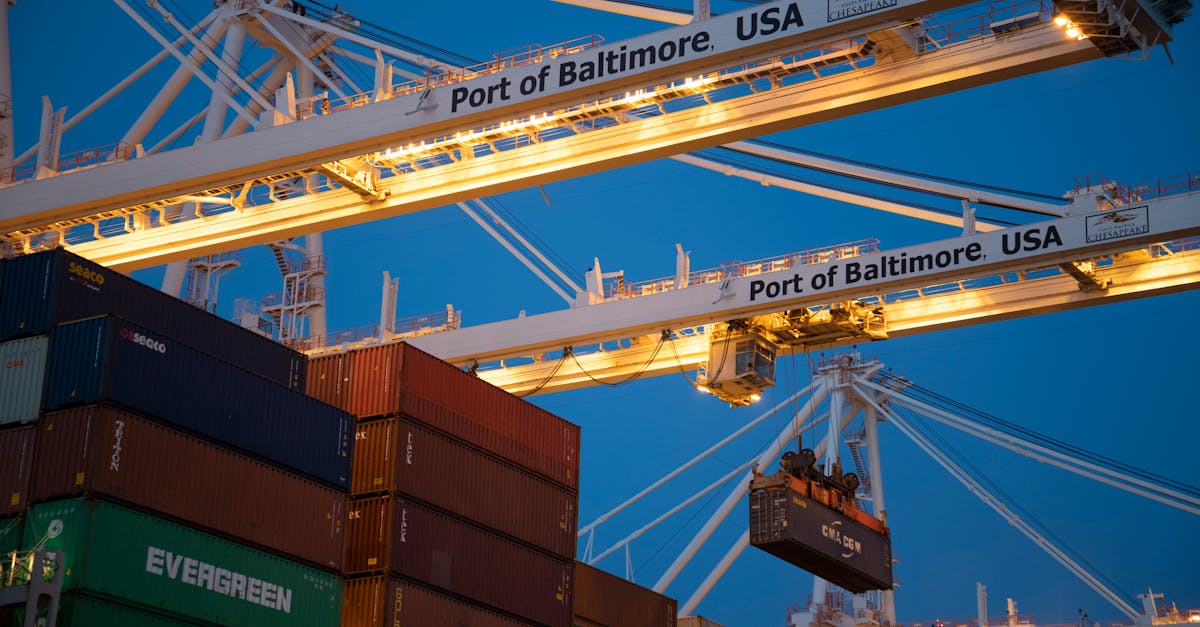
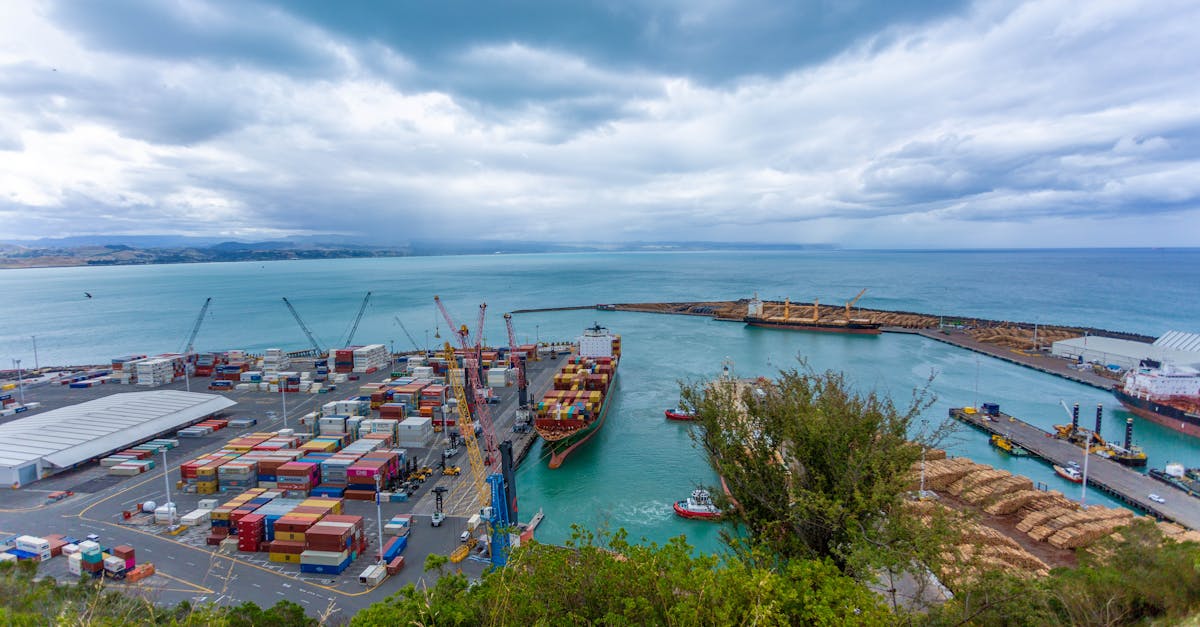
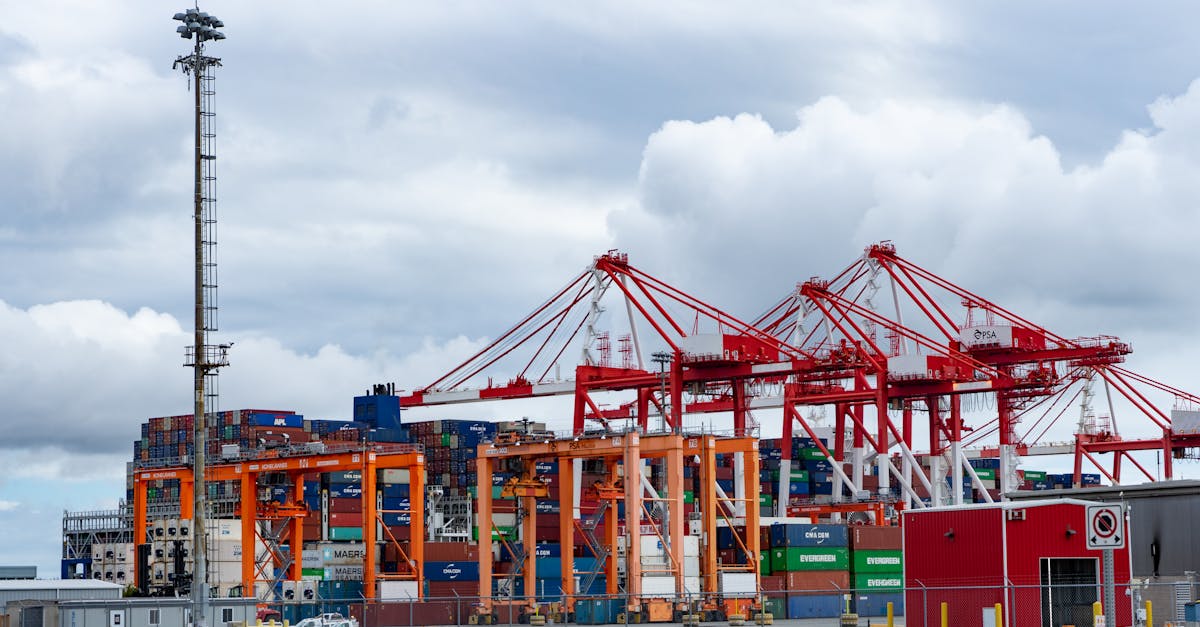
The recent dynamics in trade balance, an economic indicator that reflects the difference between a country’s exports and imports, directly impact Sofia and Miguel’s supply chain. In the first half of the year, the trade balance for the United States saw a deficit of $1.5 trillion, primarily driven by increasing imports outpacing exports. This deficit, while seemingly just a number, translates into realities for businesses like theirs, especially when considering the cost of imported flour and other baking ingredients.
Imagine that when they purchase flour from Europe, they pay not only for the product but also for the added tariffs or costs influenced by trade policies. Just last month, when Sofia received her order of imported organic flour, it came with a 10% price increase. This rise isn’t merely an isolated incident; it reflects broader trade patterns where the U.S. is importing heavily amid fluctuating demand for domestic products.
The Ripple Effect of Exports
On the flip side, the Gonzalezes often think about their exports as well, albeit on a smaller scale. They occasionally ship their popular chocolate croissants and fruit tarts to specialty food stores in Canada. When U.S. exports flourish, bolstered by favorable trade agreements, the increased revenue could help them invest in better equipment or expand their storefront. However, recent data from the Bureau of Economic Analysis indicates that U.S. exports have faced challenges. As of last month, exports accounted for only $259 billion in goods and services, notably hindered by global economic headwinds in Europe and Asia.
For the Gonzalezes, the ideal scenario would involve increased demand for their products abroad. If the export figures climbed, it could mean higher sales volume for their delicacies. Each percentage point increase in exports could ripple through their bottom line and lead to growth opportunities. Picture that future where they might have enough surplus to not only expand the bakery but also hire additional staff, turning their family business into a community fixture.
Navigating Global Markets
However, the ever-changing trade landscape poses obstacles. The recent volatility in exchange rates has added layers of complexity to their operations. The dollar’s appreciation against other currencies makes it more expensive for foreign buyers to purchase their goods. As per the Federal Reserve’s recent reports, currency fluctuations can significantly impact trade balances, and for small businesses trying to stay afloat, making alterations in pricing strategies becomes critical.
Families like the Gonzalezes find themselves at the crossroads between local economic conditions and global market trends. While they remain optimistic, they must navigate these challenges carefully, understanding that every piece of flour they import and every croissant they export is affected by legislation, tariffs, and international demand.
Full Circle: The Heart of a Community
As the sun sets, the bakery’s soft glow invites families to indulge in their evening treat, all while the Gonzalez family reflects on the day’s sales and prepares for what lies ahead in a complex trade environment. With each transaction, they recognize that their business is part of a larger narrative — one shaped by the delicate balance of imports and exports that ultimately affects whether they can keep their doors open and serve their community’s cravings.
The world of trade, from intricate policies to distant markets, creates a cycle that resonates deeply with local businesses. Just as the scent of freshly baked bread transcends the confines of their storefront, so too does the influence of a nation’s trade balance extend into the heart of every community.