The Johnsons’ European Dream
Imagine the Johnson family, a typical American household. They’ve scrimped and saved for years, with the goal of taking a dream vacation to Europe. With tickets booked and an itinerary set, they eagerly await their departure, unaware of the financial storm brewing in the world of currency exchange.
As they prepare their travel budget, the Johnsons plan to convert a significant chunk of their savings into euros. They’ve heard that the exchange rate has been fluctuating, but what does that really mean? At breakfast one morning, they sit with their coffee and calculated excitement, but an unexpected turn in the market is about to send their plans into a tailspin.
The Dollar’s Dance
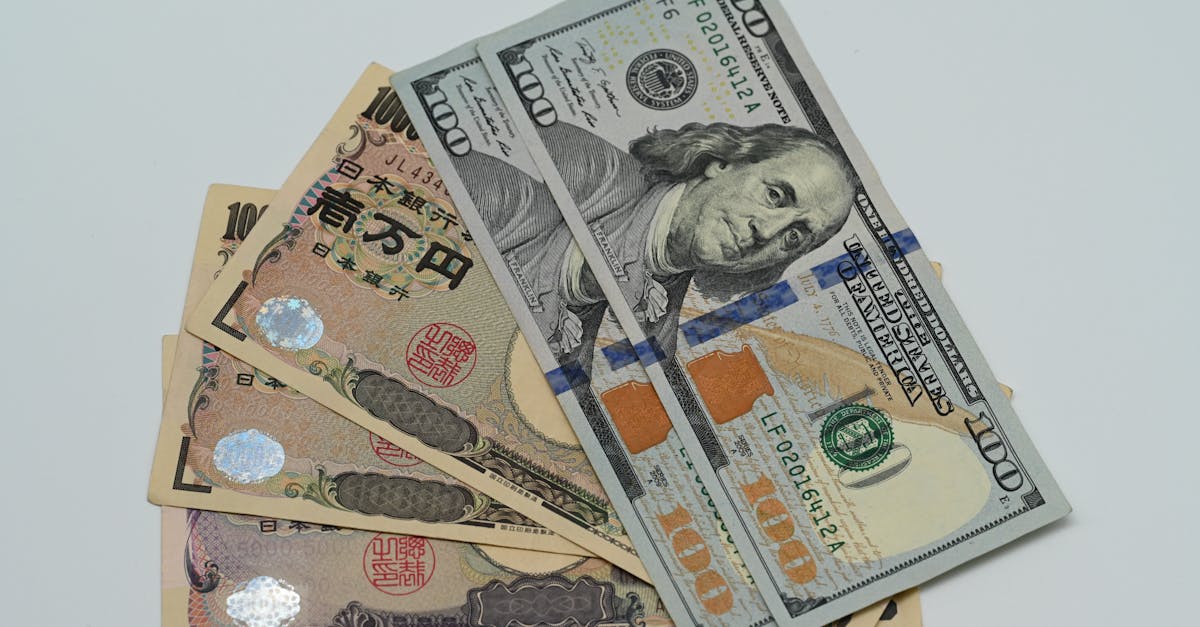
As the family checks the news, they learn that the exchange rate has wavered—at the start of the month, one dollar exchanged for approximately 0.90 euros. Now, it’s just under 0.85 euros per dollar. As the dollar weakens against the euro, the exchange of $1,000 that they could have done for about 900 euros is now yielding just 850 euros. That equates to having to trim their planned expenses, or possibly even a few sights from their itinerary.
How bad is this, really? To grasp the impact, consider that if they planned to spend 3,000 euros on their trip, before the dip, they would have needed roughly $3,333. Now, with the rate drop, they require about $3,529. A difference of nearly $200 might not seem catastrophic; however, for the Johnsons, that’s three extra dinners in a quaint Italian restaurant that will slip through their fingers.
The Ripple Effect
This isn’t an isolated event. The strengthening dollar has both pros and cons within the economy. Businesses that import goods can witness reduced costs when purchasing from foreign suppliers. For example, the Bureau of Labor Statistics reports that inflation has recently stabilized at 3.8%. While this may indicate a tempered economy, it also points to cost pressures that are mitigated by a strong dollar.
Yet, the Johnsons are not alone in their predicament. Local American businesses that export products might feel the pinch, as their goods become more expensive to foreign buyers—resulting in lower demand. With interest rates hovering around 3.63%, businesses may face difficulty adjusting to these currency shifts while grappling with the costs of borrowed money for operations.
Finances in Flux
As they explore alternatives, the Johnson family considers adjusting their itinerary or searching for local experiences that captured the essence of Europe without the hefty price tag. It’s a balancing act—one where every euro makes a crucial difference. They could also consider monitoring the market, hoping for a favorable exchange rate shift.
This potential volatility creates tension, making the Johnsons’ dream vacation not just a journey of sights but a lesson in global economics. As they finalize plans, they realize that the exchange rate is more than a number; it’s a reflection of a complex interplay of domestic inflation, international trade dynamics, and monetary policies influenced by the Federal Reserve.
Full Circle
With the dollar dancing against foreign currencies and the Johnsons adapting their vacation plans, the trip morphs into something more than just sightseeing. It becomes an insight into economic realities that affect families nationwide. Their vacation will now teach them about not only the sights of Europe but also the unseen hands shaping their financial landscapes.
In the end, that once-sweet $3,333 trip unveils the intricate web of choices shaped by the global economy, reminding the Johnsons and many like them that every dollar spent is a step into the wider world—a world driven by exchange rates that echo the rhythms of international trade, inflation, and the complex nature of our interconnected economies.