A Family’s Journey Abroad
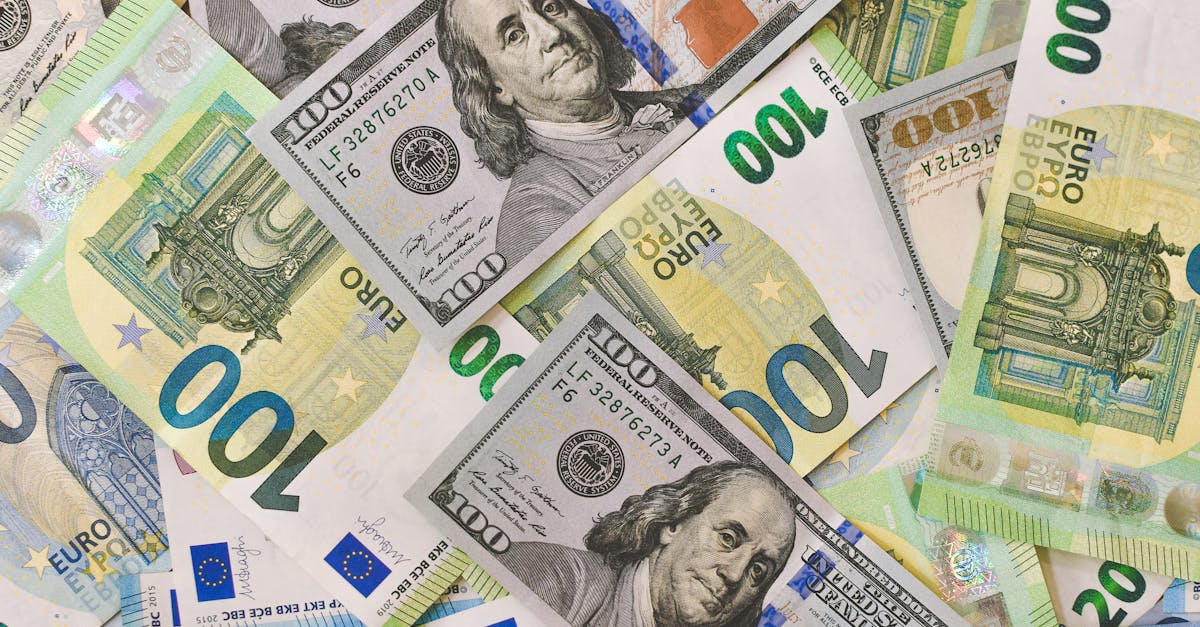
As the Johnson family prepared for their long-anticipated trip to Europe, excitement buzzed through the household. With flights booked and Eiffel Tower tickets in hand, the only hurdle left was the exchange rate. When they started planning, the dollar was strong, roughly equivalent to 0.85 euros. Just a couple of weeks later, that figure dropped to 0.80 euros. For them, this didn’t just mean a simple transaction fluctuation; it translated to an extra $200 needed for their hotel stay because suddenly each euro cost them more.
The Dollar’s Dance
The exchange rate doesn’t exist in a vacuum—it is a reflection not only of the dollar’s strength but of countless economic factors, including inflation, interest rates, and broader fiscal policies. Inflation reached 3.8%, creating a ripple effect on consumer buying power. What does this mean for the Johnsons? As prices increase domestically, their money doesn’t go as far, adding another layer of complexity to their travel budget.
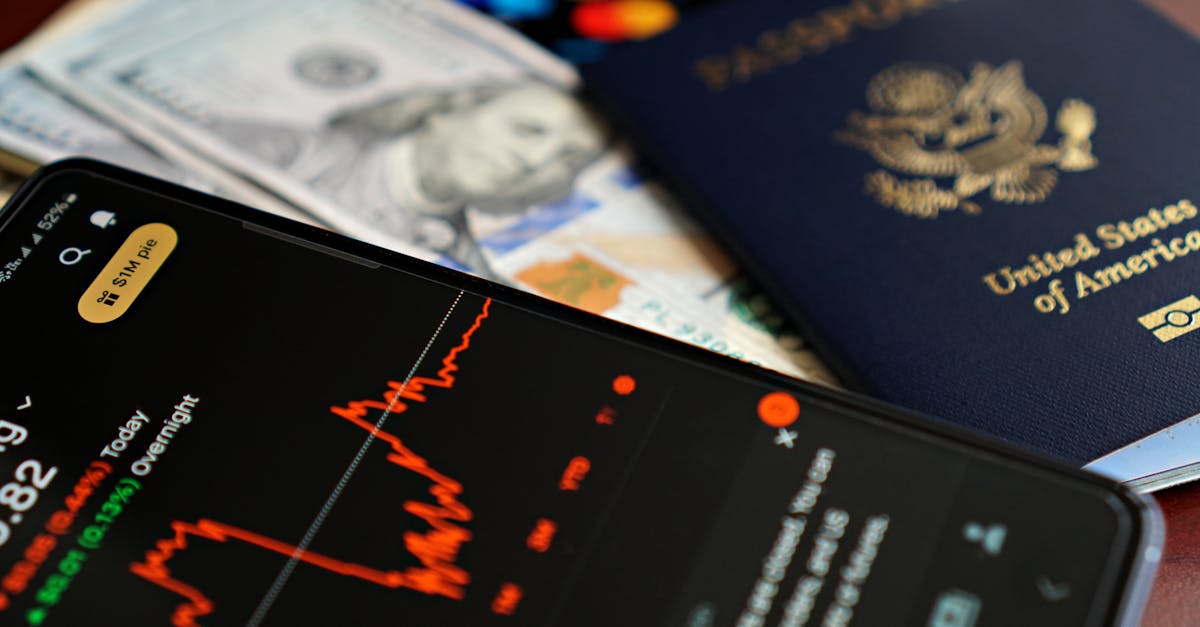
Adding to this pressure, the Federal Reserve’s interest rate is sitting at 3.64%. This number influences many other aspects—loans, credit cards, and saving accounts—all of which shape the family’s financial landscape. With interest rates rising, the cost of borrowing also climbs, leading the Johnsons to carefully consider how they would pay for their travel expenses.
When Currency and Cost Collide
Imagine navigating an exchange rate that is constantly shifting, much like a seesaw where a slight tilt sends one side soaring while the other collapses. For every 100 euros they aimed to exchange, a drop in the rate meant losing roughly $50 more. This sudden disadvantage can turn what should be a joyous adventure into a tense budget-balancing act.
Returning to the kitchen, Mrs. Johnson glanced at her grocery list. The previous night’s grocery shopping revealed that staples had surged in price due to inflation. As they sit at the table discussing potential European delicacies, the reality of the dollar’s weakening makes them rethink their culinary choices. Instead of dining at a Michelin-star restaurant as planned, they now envision a charming café with more modest prices.
Not Just Numbers but Lifestyles
For the Johnsons, the currency challenge intertwines with their daily lives—each decision driven by a currency that ebbs and flows. The strength of the dollar affects not only how much they spend overseas, but also the local economy. Businesses that rely on imports may start hiking prices, and dining out may quickly escalate from a pleasure to a financial burden. When family vacations come at a price, small luxuries can easily become casualties.
As inflation persists, so does a general sense of unease about the economy’s future. Job security is felt at home too, with the unemployment rate hovering around 4.3%. Should either Mr. or Mrs. Johnson face job uncertainty, the concern amplifies. They cannot help but feel a mixture of worry and wonder about how many families are contemplating similar questions.
Back to Reality: A Return Home
Upon landing back in the States, the Johnson family carries more than just luggage; they return with lessons learned about the unpredictable nature of currency and its tangible impact on their lives. As they unpack, they’ll certainly reminisce about the sights and flavors of Pisa and Paris, but more deeply, they’re now aware of how a few fluctuating decimal points can shape experiences along with budget constraints. Whether it’s a family vacation or a simple evening out, the ripple effects of currency dynamics extend far beyond the immediate transaction—it’s a lesson they won’t soon forget.