A Family’s Journey to Paris
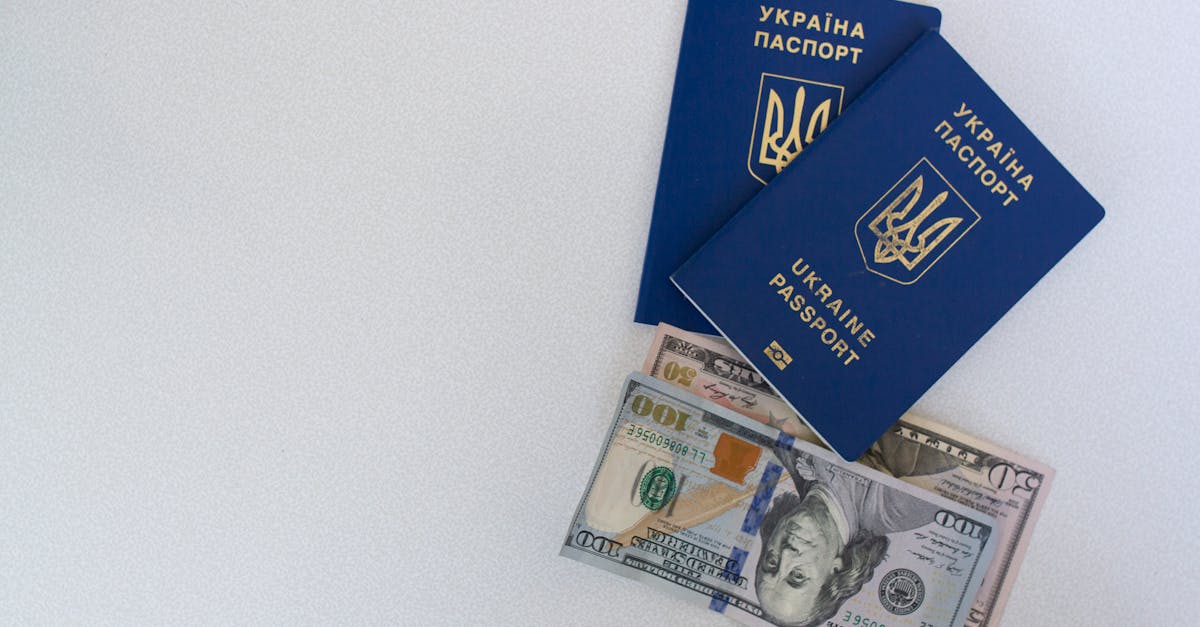
Imagine the Johnson family, a working-class household from Ohio, excitedly planning their first trip to Paris. The father, Mark, a factory worker, has been saving for this moment, and with each paycheck, the dream of sipping coffee near the Eiffel Tower seems closer. However, as they prepare to convert their dollars to euros, reality hits them: the exchange rate is far from favorable.
Currently, one euro costs approximately $1.10, but Mark remembers only a few years back when it was around $1.05. With inflation steadily at 3.8%, even family gatherings can feel less like celebrations and more like budgetary gymnastics. In simple terms, the rise of the dollar’s cost against the euro means the Johnsons could see their trip costs swell by about $300 compared to the previous year—money that could either feed them in Paris or buy additional souvenirs.
The Foreign Exchange Market’s Tides
As much as one’s savings cushion is important, the fluctuating dollar can also unleash waves of uncertainty for businesses like Linda’s Bakery, a charming spot in downtown, recently catering her offerings for an influx of European tourists. Linda had noticed a significant change in her ingredient costs as the dollar struggled to hold against foreign currencies. When the dollar weakens, import prices spike—think of the steel that constructs ovens or the flour sourced from overseas. These rising costs are no coincidence; they are a direct reflection of fallen dollar value.
When the exchange rate hovers over the $1.05 mark, she calculates her extra expenditures each month would translate to about 5% higher costs for her bakery. What could be perceived as a minor shift on paper can mean slightly higher prices for croissants and cakes, translating to disappointment for families seeking affordable treats.
The Ripple Effects in Employment and Inflation
Beyond personal moments, an exchange rate doesn’t exist in a vacuum. It resonates through the labor market as well. The Bureau of Labor Statistics reported a national unemployment rate at 4.3%. For many, it directly correlates with wage stagnation against the rising costs caused by global exchange dynamics. With goods becoming more expensive to import, trade deficits can widen, influencing jobs tied to manufacturing and export.
Financial flexibility is also tied to interest rates, which currently sit at 3.64%. For someone like Mark considering a home loan to secure a more permanent future for his family, higher interest rates impact his decision drastically. The leaky inflation, exacerbated by a fluctuating dollar, means that every percentage point in interest translates into higher monthly payments—dollars that could otherwise lead toward their Paris adventure.
Circle Back to the Dream
As the Johnsons finalize their travel plans, they can’t escape the financial undercurrents of their dream trip. With the dollar’s diminished value against the euro, what once felt like a treat is now a taxing venture. Mark’s attempts to shield his family from stress involve seeking out travel deals or even downsizing their itinerary.
The simple act of vacationing has turned into a multi-layered decision-making puzzle shaped by global economics. The ripple effect of currency fluctuations does not merely affect investors or businesses—it expands to the very heart of families dreaming of exploring the world.
With every dollar they spend, the Johnson family embodies the interconnectedness of our global economy, where shifts in exchange rates reverberate through lives like theirs far from the trading floor. While their trip to Paris remains alive with possibility, it also serves as a stark reminder of how these broader economic forces make tangible impacts on everyday experiences.