Wages Outpacing Inflation
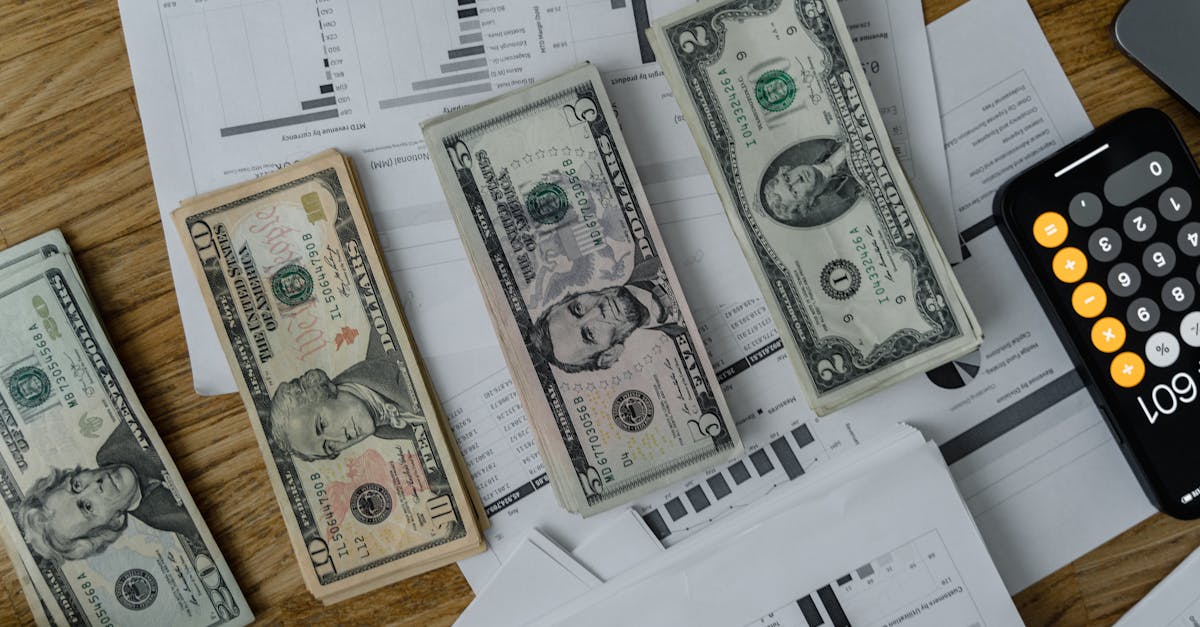
Emerging data reveals that average hourly earnings in the United States are outstripping inflation, giving workers a needed boost in their purchasing power. As of March 1, 2026, nominal wages increased by 3.9% year-over-year, while inflation was reported at 3.3%, leading to a net increase in real wage growth.
A Global Lens: Competitive Edge through Wages
In contrast with other advanced economies, the U.S. is benefitting from a robust wage performance. Countries like Germany and Canada recorded annual wage growths of 3.0% and 3.2% respectively, illustrating that the American workforce is negotiating from a position of strength. This is especially significant given that U.S. unemployment hovers around 4.3%, allowing for a tight labor market that encourages wage increases.
Historical Context: Lessons from the Past
Looking back, wage growth has been sporadic, particularly following the financial crisis of 2008, when average wage growth consistently failed to keep pace with inflation. For context, in the same month last year, wage growth plateaued around 2.8%, making the current figure of 3.9% a marked improvement and an encouraging sign of economic resilience.
Sector-Specific Insights
Certain industries have experienced even sharper wage increases. For instance, healthcare practitioners saw wages surge by 4.5% amid ongoing demand for services. The tech sector, often heralded for its lucrative jobs, hasn’t lagged either, with software developers enjoying a wage hike of 4.2% as companies compete fiercely for tech talent.
The Reality Check: Adjusting to Inflationary Pressures
Despite the positive trends in nominal wage increases, the 3.3% inflation rate underscores critical concerns. While real wage increases indicate a stronger purchasing power, the persistent inflation makes it essential for wage growth to remain ahead of consumer price indexes. Workers are feeling the pinch as costs for housing and food continue to rise, even as they enjoy larger paychecks.
Labor Force Participation: The Missing Piece?
The current unemployment rate at 4.3% suggests a relatively stable labor market. However, nearly 61.8% of the population is participating in the labor force, notably lower than pre-pandemic levels of around 63%. While wage growth can motivate some to enter the workforce, challenges such as childcare, caregiving responsibilities, and the lingering effects of COVID-19 are barriers yet to be overcome.
The Road Ahead: Navigating Economic Waters
As companies adjust to rising costs, the sustainability of wage growth may depend on future economic policies and the Federal Reserve’s actions on interest rates. The Fed may face pressures to hike rates if inflation persists, potentially cooling wage increases. In this intricate dance of economics, the trajectory of wage development will continue to shape household financial stability and overall consumer confidence.
In the evolving landscape of American wages, the interplay between employment levels, inflation rates, and economic policies will dictate whether today’s gains are a sustainable trend or a short-lived reprieve.