Surging Wages, Stubborn Inflation
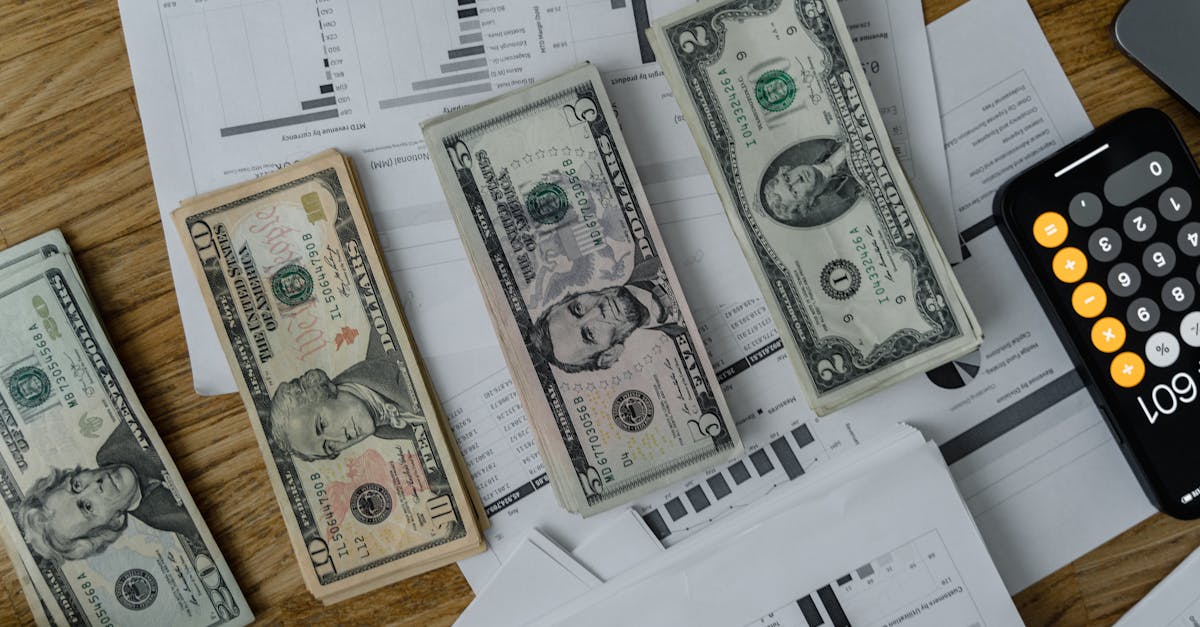
Wages in the United States are climbing at a remarkable pace, with average earnings showing a year-over-year increase of 5.3% as of May. This surge is tantalizingly close to pre-pandemic growth levels, but inflation remains a formidable adversary, currently standing at 4.2%. The juxtaposition of rising wages against relentless inflation creates a paradox for American workers, who find their purchasing power increasingly squeezed despite nominal wage gains.
The Real Value of Earnings
When considering wage increases, it’s vital to factor in inflation’s relentless creep. A 5.3% rise in wages sounds impressive until one realizes that inflation’s 4.2% effectively reduces those gains. True, many workers are experiencing increases above the rate of inflation, particularly in sectors like hospitality and retail, where annual wage hikes have occasionally eclipsed 7%. However, these figures are not uniform across the board. For instance, the manufacturing sector has recently reported wage growth closer to 3.5%. This disparity underlines the uneven economic recovery, reinforcing the notion that while some workers thrive, others struggle to maintain their standard of living.
A Global Perspective on Wage Dynamics
The U.S. wage growth narrative contrasts starkly with many European countries, where labor markets face lower overall inflation rates due to more robust social safety nets. For example, Germany’s wage growth has been sluggish, hovering around 3%. In contrast, Spain has seen wages rise but still battles inflation rates above 5%. This variation in wage dynamics highlights America’s unique position; while wage increases are encouraging, they often do not keep pace with the broader economic pressures, leaving many households feeling the pinch.
Sector-Specific Insights
Economic divergence is particularly pronounced across sectors. The tech industry reported an average wage increase of 6.5%, fueled by intense competition for talent amid a skilled labor shortage. Meanwhile, retail wages have risen, but as consumer prices push higher, the effectiveness of these gains dwindles. Notably, the leisure and hospitality sectors, which were heavily impacted by the pandemic, reflect a 7% growth, driven by the urgent need to attract labor back into a sector still recovering from shutdowns.
Navigating the Job Market
With unemployment holding relatively steady at 4.3%, some economists posit that the tight labor market is pressuring employers to raise wages more aggressively. This situation provides a backdrop for a resilient job market where many workers are seeking new positions, believing they can secure better pay. Yet, the persistent inflation backdrop challenges the sustainability of this job-switching trend, as benefits gained might be mitigated by cost increases in essentials, particularly housing and food.
What Lies Ahead for American Workers?
As the Federal Reserve navigates its policy path, the juxtaposition of wage growth versus inflation will be critical. With interest rates already adjusted in response to inflation worries, the central bank faces a tough balancing act. Workers watch closely as economic conditions shift, knowing that the health of their paychecks hangs in the balance. Wages might be growing, yet in this economic climate, the journey to effectively improving living standards is fraught with complexities. The reality underscores a critical question: How sustainable is this wage growth amid enduring inflationary pressures?
Navigating the future will require not just vigilant policymakers, but also adaptive strategies from workers and businesses alike, as they prepare for an evolving economic landscape.