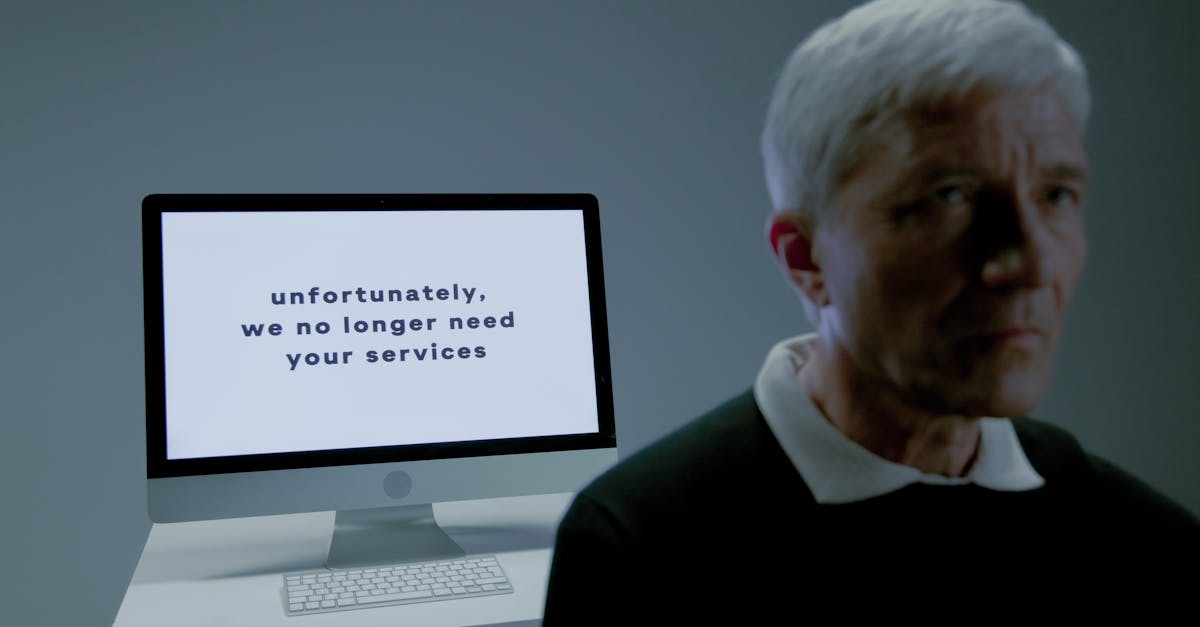
U.S. Unemployment Rate Holds Steady Amid Economic Uncertainty
Maintaining an unemployment rate of 4.3% as of April 2026, the U.S. labor market illustrates both stability and underlying pressures amidst a backdrop of economic change. This figure aligns closely with the pre-pandemic low of 3.5% seen in February 2020, suggesting a labor market still grappling with the ramifications of the last few years, albeit demonstrating resilience.
Assessing the Domestic Landscape
Throughout the last year, various economic indicators have influenced employment levels. For instance, while job openings have consistently outpaced the number of unemployed individuals—currently at approximately 5.5 million—many sectors, particularly hospitality and leisure, are still striving to recover fully from pandemic-induced job losses. The Bureau of Labor Statistics reports that as of April, industries such as leisure and hospitality represent about 3 million unfilled positions, highlighting a persistent demand for workers.
A Global Snapshot
When juxtaposed against international measurements, the U.S. unemployment rate positions itself competitively. According to data from the OECD, countries like Germany and Canada are facing unemployment rates of 5.2% and 5.1% respectively, suggesting that the U.S. is managing its workforce more effectively despite global economic challenges. However, the situation is markedly different in Japan, where the unemployment rate stands at a mere 2.9%, showcasing disparity that may arise from differing labor market dynamics and cultural norms surrounding work.
Challenges Ahead for Job Seekers
The consistency of the 4.3% unemployment rate does not diminish the complexity surrounding employment. Workers at the fringe—those in part-time positions or actively discouraged from job seeking—experience a different reality. The underemployment rate, which includes those who are part-time desiring full-time opportunities, hovers around 8.5%. This indicates a segment of the population still seeking the stability that full-time employment tends to provide.
Furthermore, increasing inflation has begun to encroach on worker purchasing power, prompting discussions about wage stagnation. The latest Consumer Price Index showed an annual inflation rate of 4.2%, which, while down from previous highs, continues to strain household budgets and signals a potential reduction in consumer spending power, which indirectly affects job growth.
The Shifting Landscape of Jobs
Despite the challenges, sectors such as technology, healthcare, and renewable energy continue to flourish, indicating potential pathways for growth. The trend toward a more digital economy is reshaping job requirements, with the Bureau of Labor Statistics projecting a 16% increase in healthcare jobs and a 15% increase in jobs related to computer science by 2031.
Moreover, businesses are increasingly seeking candidates with advanced digital skills, allowing sectors traditionally underserved to catch up and transition to modern workflows. However, this paradigm requires ongoing investment in workforce development to equip job seekers with the requisite skills.
A Pivotal Moment for the Workforce
As the U.S. economy continues to navigate the implications of inflation and a restless job market, the overarching 4.3% unemployment rate signifies not just stability but a critical juncture. From the pressures of underemployment to enlightening prospects in technology and healthcare, the focus now turns to how all stakeholders—governments, businesses, and educational institutions—will respond to the evolving needs of both workers and employers.
The road ahead will determine whether this 4.3% becomes a launch point for further growth or the start of a more turbulent employment landscape.