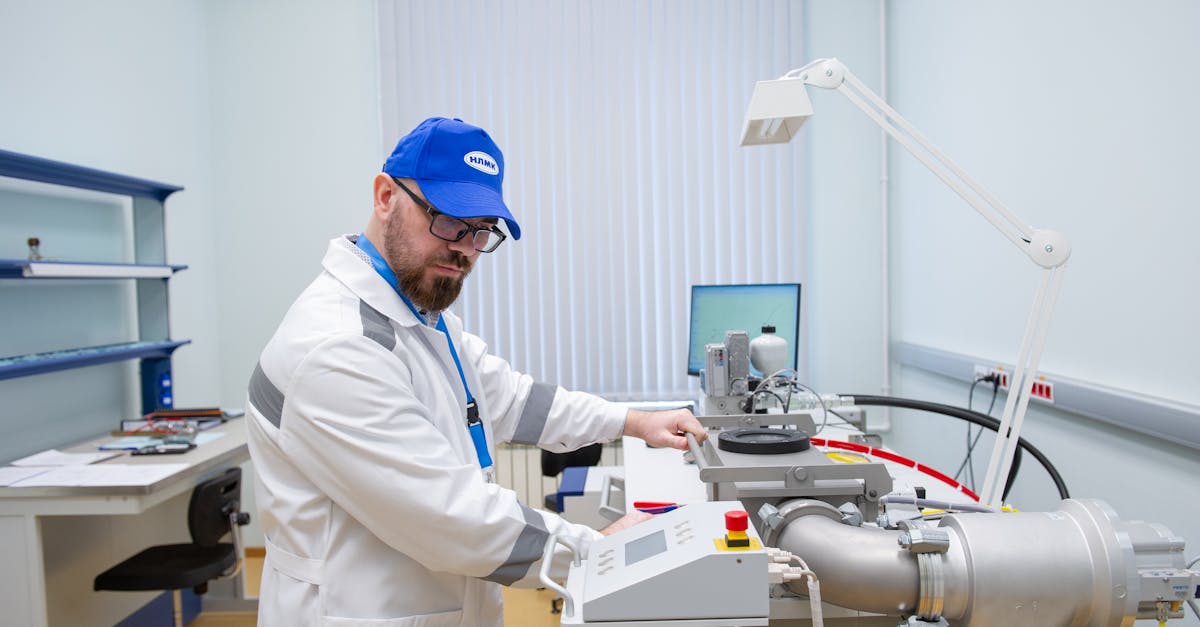
The Decline in R&D Investment Signals Trouble
As of February 2026, the United States has seen a notable decrease in research and development (R&D) investment, dropping 4% from the previous year’s $1.61 trillion to $1.54 trillion. This decline comes at a time when many nations are ramping up their innovation efforts, leaving the U.S. substantially vulnerable in a competitive global landscape.
Comparing Apples to Oranges
While the U.S. spends approximately 3.1% of GDP on R&D, countries such as South Korea allocate a staggering 4.6%, and Germany dedicates about 3.0%. The disparity becomes even more concerning when juxtaposed against Japan’s consistent R&D funding growth, projected at 3.3% of its GDP in the same period. This places the U.S. at risk of falling behind not only in scientific advancements but also in the economic benefits that often accompany such innovation.
Inflation and its Impact on Innovation
The current inflation rate stands at 2.4%, a stabilization figure that has helped maintain consumer confidence but also presents hurdles for R&D sectors depending on funding. In an inflationary environment, the real costs of conducting research become magnified, leading institutions to prioritize immediate returns over long-term innovation projects. This environment may also strain governmental budgets, pushing policymakers to reconsider national R&D funding priorities, which are currently under intense scrutiny.
The Workforce Conundrum
With unemployment sitting at 4.4%, labor market pressures complicate the innovation agenda. Sectors reliant on highly skilled workers, such as tech and pharmaceuticals, find it increasingly difficult to attract and retain talent. High turnover rates have led to stunted projects and delayed breakthroughs, raising questions about the sustainability of U.S. innovation in emerging technologies, from artificial intelligence to renewable energy solutions.
High Interest Rates Affecting Investment
Adding to the complexity is the interest rate, which is currently at 3.64%. Higher borrowing costs can deter private sector investments in R&D, particularly for start-ups and mid-sized firms, which often rely on loans to drive their innovation pipelines. This is crucial because small businesses have historically been a backbone of innovation, contributing to roughly 64% of new job creation and 70% of patent filings annually.
Shifting Strategies to Regain Lost Ground
In an attempt to counteract these downward trends, various entities within the federal and state governments are beginning to look toward innovative funding strategies. Public-private partnerships are becoming increasingly critical. The National Science Foundation (NSF) is championing new initiatives designed to stimulate entrepreneurial efforts in stalled sectors by linking funding to measurable outcomes in innovation.
The Tech Start-Up Ecosystem Under Pressure
The current economic climate has not only impacted established firms but has also placed immense pressure on the start-up ecosystem. Venture capital investment, a primary source of innovation funding, has left many tech start-ups scrambling for financial stability. A report by PitchBook indicated that Q1 investment levels fell by 25% compared to the previous year, making capital increasingly scarce for emerging ideas.
Reimagining America’s Future
As the U.S. confronts these innovation bottlenecks, there is an opportunity for a paradigm shift. By revitalizing funding mechanisms and creating an ecosystem that enables collaboration between academia, industry, and government, the U.S. can pave the way for a new era of innovation. The current circumstances, while challenging, offer a platform for reimagining the economic frameworks that support R&D and, ultimately, the nation’s global standing. The path forward may be charged with complexity, but perhaps therein lies the fuel for transformation.