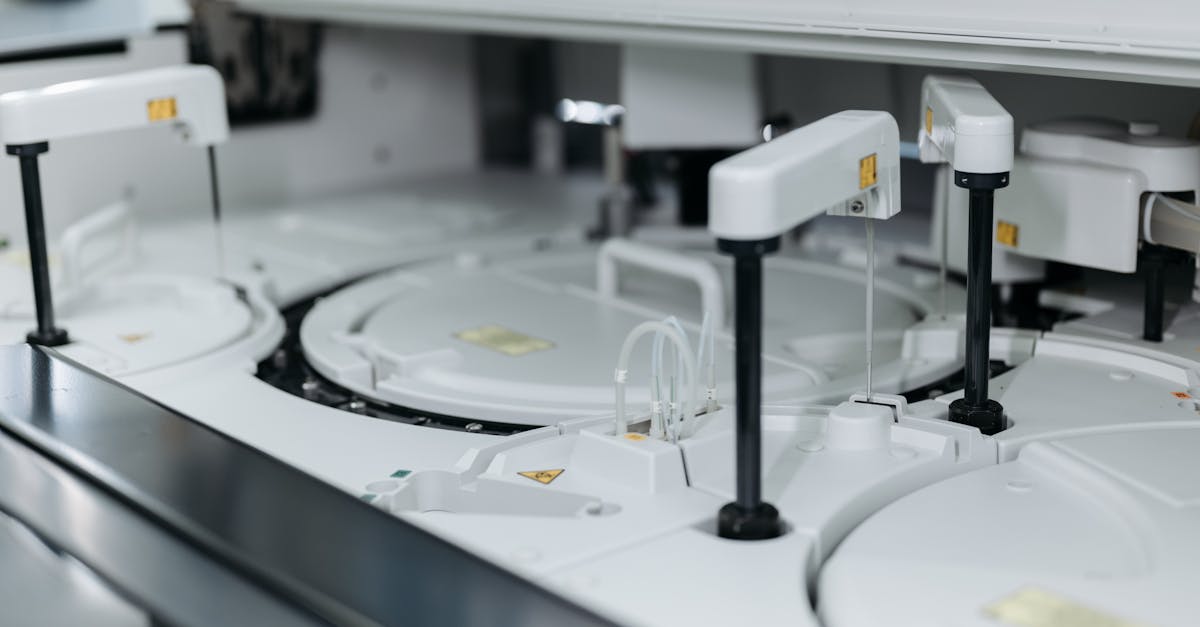
Innovation at a Crossroads: A Financial Infusion
The United States has seen an unprecedented commitment to research and development, with R&D spending escalating to a staggering $695 billion in 2023, marking a 9% increase from the previous year. This surge stands out even more prominently when contrasted with the nation’s inflation rate, recorded at 3.3% by the Bureau of Labor Statistics. Despite economic headwinds, American industries are channeling resources into innovation as a cornerstone for future growth.
Competing on Global Stage
While the U.S. holds the title for the highest R&D expenditure globally, surpassing nations like China and Germany, it faces tough competition. China’s recent investments in innovation reached over $550 billion, closing the gap and marking a 15% increase year-on-year. Germany remains a significant player, investing approximately $120 billion, reflecting their ongoing commitment to fostering technological advancement despite a marginal decline from previous figures.
A decade ago, American firms accounted for nearly 35% of the world’s R&D spending; that figure has shrunk to just over 26%, highlighting the urgency for renewed strategies to maintain a competitive edge.
Unearthing Opportunities Amid Adversity
The current economic landscape also reveals a paradox: while the unemployment rate stood at 4.3% — relatively low by historical standards — the Fed’s interest rate hovered at 3.64%, suggesting a tightening financial environment. These figures paint a complex picture. Corporate leaders are increasingly investing in technology and innovation to navigate inflationary pressures and a fluctuating labor market. The push for automation and advanced manufacturing processes is more than a trend; it’s a strategic necessity.
This investment is not just confined to tech giants. The U.S. Small Business Administration reported that small businesses, traditionally the backbone of American innovation, have increased their R&D outlays by approximately 10% over the past year, harnessing opportunities in biotechnology and green technologies.
Funding: The Catalyst for Growth
Federal funding remains integral to this R&D explosion. In 2023, the Biden administration’s budget underscored its commitment, with a proposed increase in federal R&D spending of 14%, pushing up the allocation to the National Science Foundation and other research bodies. This funding aims to bolster sectors crucial for national security and economic resilience, a signal that policymakers are aligning their priorities with the urgent demands of the modern economy.
Beyond the Numbers: The Human Element
Yet, amid this funding surge, the question of talent acquisition looms large. With R&D spending skyrocketing, the tech sector is experiencing fierce competition for skilled labor. Universities are responding by expanding STEM programs, indicating an optimistic shift in educational priorities. However, this leaves gaps that need immediate attention, especially in rural and underserved communities where access to cutting-edge education remains limited.
A Dynamic Future of Innovation
The landscape of U.S. innovation is evolving rapidly, driven by both necessity and opportunity. As firms ramp up R&D to counter the effects of inflation and navigate the labor market complexities, the collective push towards advanced technology could lay the foundation for an era of unprecedented growth. The challenge remains not just to sustain this momentum but to ensure the benefits trickle down, fostering a healthier ecosystem for future innovators.
By continuing to invest wisely, the U.S. could not only reclaim its leadership in R&D but also redefine what innovation means in a world of economic uncertainty.