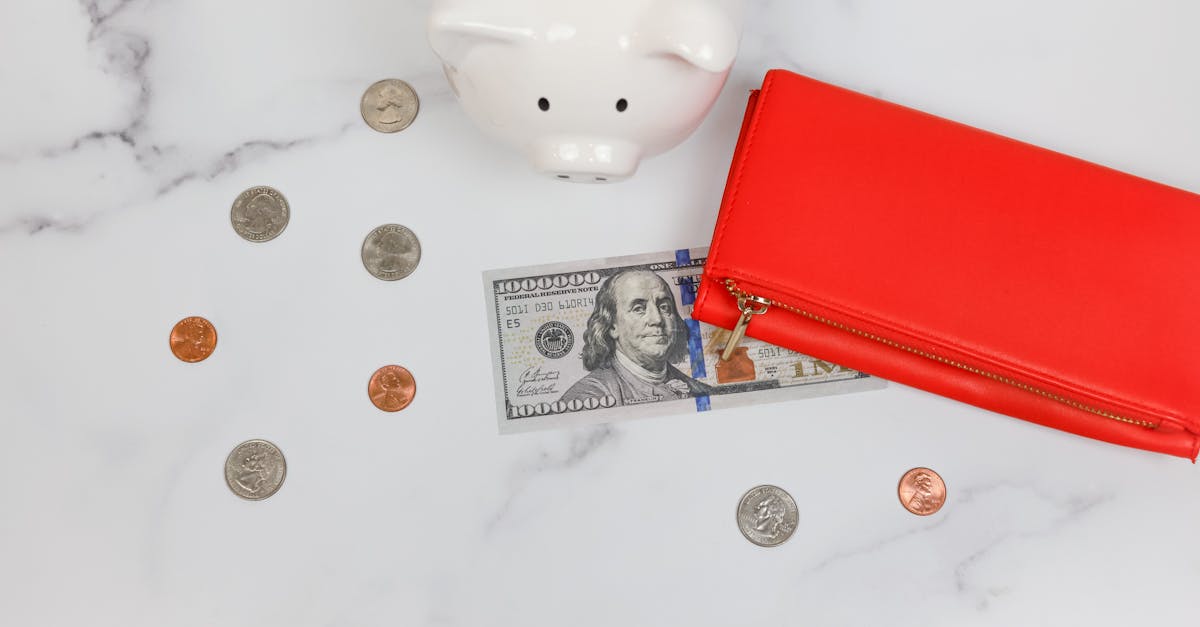
Households Tighten Their Belts
An alarming statistic reveals that American household savings rates have plunged to a mere 4.4% as of early February, marking a significant drop from 7.2% just a year earlier. This shift is not just a fleeting blip; it reflects deeper economic pressures as inflation, clocking in at 2.4%, chips away at consumer purchasing power amidst rising living costs.
A Comparative Perspective on Savings
When drawing parallels internationally, the U.S. savings rate lags behind several developed economies. For instance, Eurozone countries average around 10%, more than double that of the United States currently. This stark contrast underscores an alarming trend: U.S. households are not just saving less; they are doing so in a world where inflationary pressures are arguably more manageable abroad.
Interest Rates and Household Finances
At the same time, interest rates have taken a significant leap, currently sitting at 3.64%. This increase is a double-edged sword; while it might incentivize saving with higher returns, many households are instead opting to spend rather than save. The Federal Reserve’s current monetary policy has thus put many consumers in a catch-22 — caught between rising costs and higher borrowing expenses.
An Unexpected Perfect Storm
Compounding this situation is the unemployment rate, which stands at 4.4% — a figure that, although relatively stable, signals a flattening labor market in a time of uncertainty. Fewer job opportunities can lead households to dip into their savings reserves, a trend that translates directly into reduced financial security. As everyday expenses rise, families are forced to make tough financial decisions, navigating a landscape thick with volatility.
Shifts in Spending Attitudes
Consumer attitudes have dramatically shifted, too. Identifying necessities over luxuries has become the new mantra, with many opting to forego significant expenses in favor of short-term financial stability. The days of build-it-up savings seem to have been replaced by a more reactionary approach to personal finance among middle-income households.
The Future of Savings in America
As families continue to grapple with shifting economic landscapes, the trajectory of U.S. household savings remains uncertain. It prompts an essential question: will a rebound in the labor market and favorable economic growth patterns restore consumer confidence in saving, or are households actively recalibrating their expectations around financial safety?
Moving forward, U.S. families might have to master a new balancing act, one that weighs immediate financial survival against the age-old principle of saving for a rainy day.