A Surprising Paradox: Growth Amidst Tension
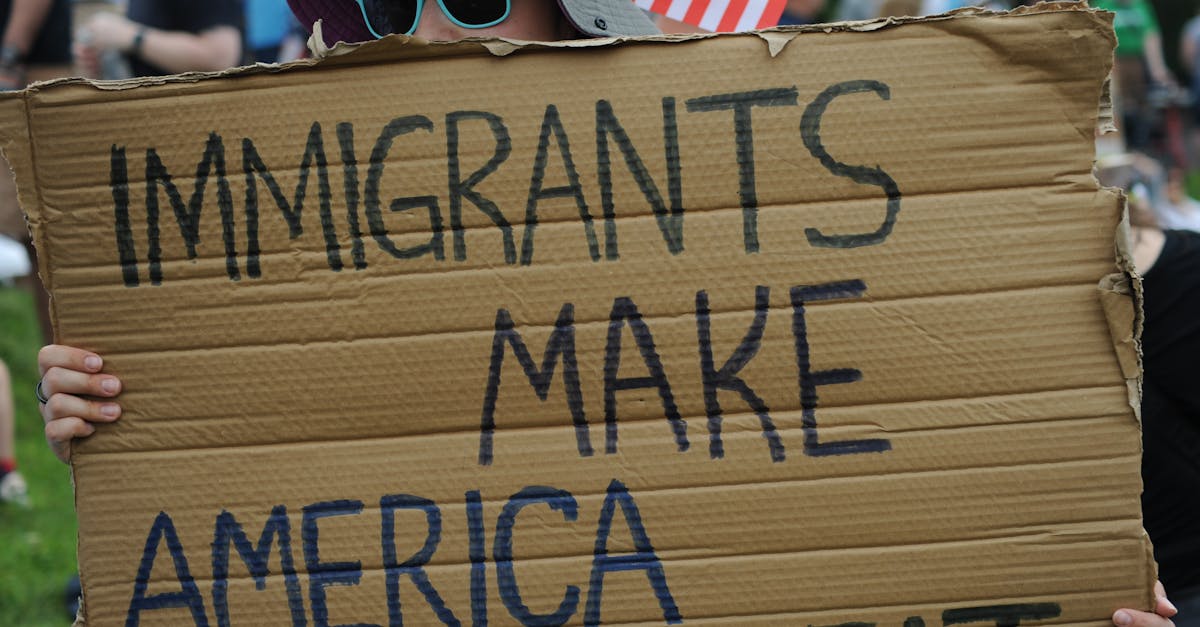
Every election cycle, the immigration debate stirs passionate opinions, yet a paradox lies within the economic narratives surrounding it. While political rhetoric often paints immigrants as burdens on society, data reveals they may instead be pivotal contributors to economic growth. In the face of a 4.4% unemployment rate, relatively low inflation at 2.4%, and interest rates resting at 3.64%, one might expect a crystal-clear economic boon from every immigrant entering the workforce. Yet, the landscape is rife with tension between those reaping rewards and those facing displacement.
The Optimism of Contributions Versus Regional Struggles
Expectations generally suggest that an influx of skilled workers accelerates innovation and entrepreneurship, especially in tech-centric areas like Silicon Valley or biomedical hubs in Massachusetts. Indeed, regions thriving on high-skilled immigration have shown impressive growth in GDP per capita and job creation. For instance, in states like California, immigrants account for a substantial 44% of entrepreneurs, a driver of their booming economy.
However, the effects of immigration diverge across the country. In regions less equipped to integrate new arrivals—particularly rural areas or those with fewer job opportunities—the immigrant influx sometimes exacerbates existing economic strains. These locales struggle with stagnant industries that fail to absorb new talent, creating tensions between long-time residents and newcomers. As reported by the Economic Policy Institute, a 2019 study indicated that regions experiencing high concentrations of immigrants by 2026 saw wages decline in specific sectors by as much as 6%. What happens to these vulnerable communities? Is the so-called economic uplift being shared equitably?
Hidden Figures: The Unseen Impact on Wages and Labor Markets
The public discourse centers on growth figures and GDP contributions, yet a deeper dive into wage trends tells a different story. The integration of immigrants into the labor force has led to increased competition, particularly in low-skill jobs. For many American workers, this has meant stagnant wages or, in some instances, pay cuts. In sectors like hospitality and agriculture, where many immigrants find employment, wage growth has lagged behind inflation.
Such employment sectors are often touted as essential; yet, the potential for healthy wage growth remains elusive. The BLS data shows that while inflation sits at 2.4%, workers in these fields often see little more than cost-of-living adjustments, failing to capture a definitive piece of economic progress. This isn’t merely a seasonal fluctuation—it speaks to a fundamental disparity in wage distribution principles in an increasingly competitive job market. Could this erosion of wages undermine the consumer spending that propels economic growth?
The Global Perspective: Reexamining Immigration Policies
While the U.S. wrestles with the implications of immigration policies, other nations have successfully harnessed immigrant labor to their advantage. Germany, for example, has implemented integration strategies that not only welcome foreign workers but also provide pathways to professional development, thereby enhancing productivity across sectors.
Comparatively, the U.S. relies heavily on piecemeal policies that oscillate with political winds, leading to uncertainty among potential immigrants. Such volatility might hinder the country’s potential to glean the full benefits of diverse skills and contributions to the economy. What kind of long-term solution can the U.S. develop to ensure immigrants drive economic growth rather than reduce wages for the existing workforce?
The Pivotal Question: What’s the Future of Immigration and Economies?
The economic narrative surrounding immigration is undeniably complex. Winners and losers scatter across different regions and sectors, clouding the broad expectations that immigration invariably leads to economic prosperity. As policymakers face the stove-piped nature of public opinion against the backdrop of hard data, a critical question looms large: how can the U.S. reform its immigration policies to truly enhance economic equity? Without addressing not just the benefits but also the burdens of immigration, the promise of growth may continue to be a hollow refrain, echoing through a divided landscape.