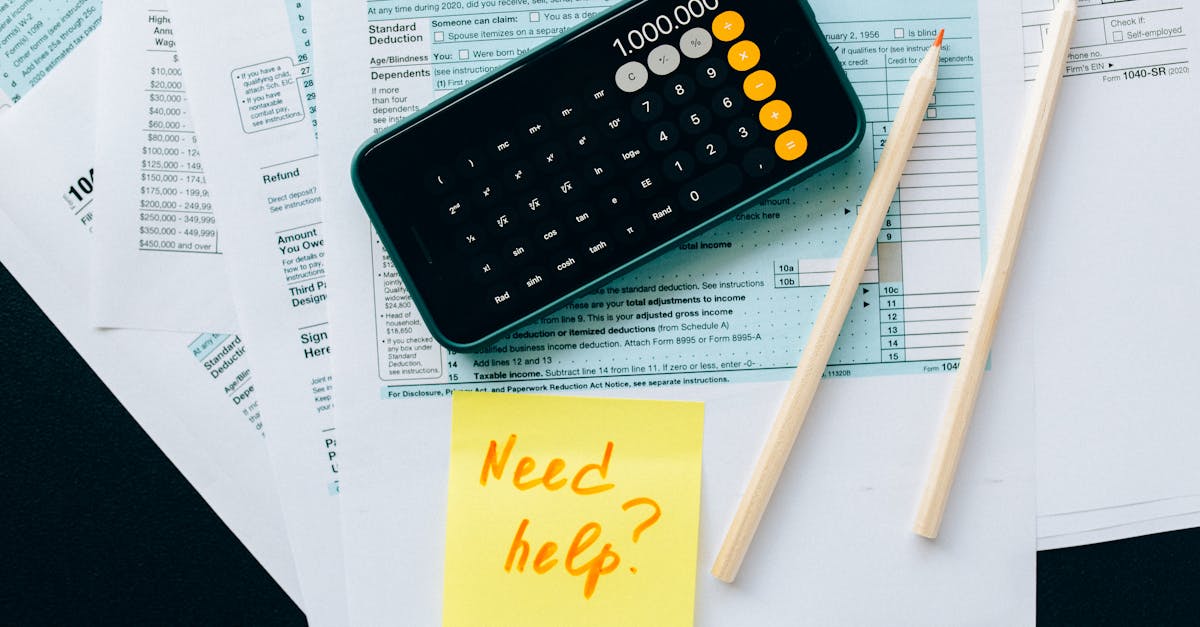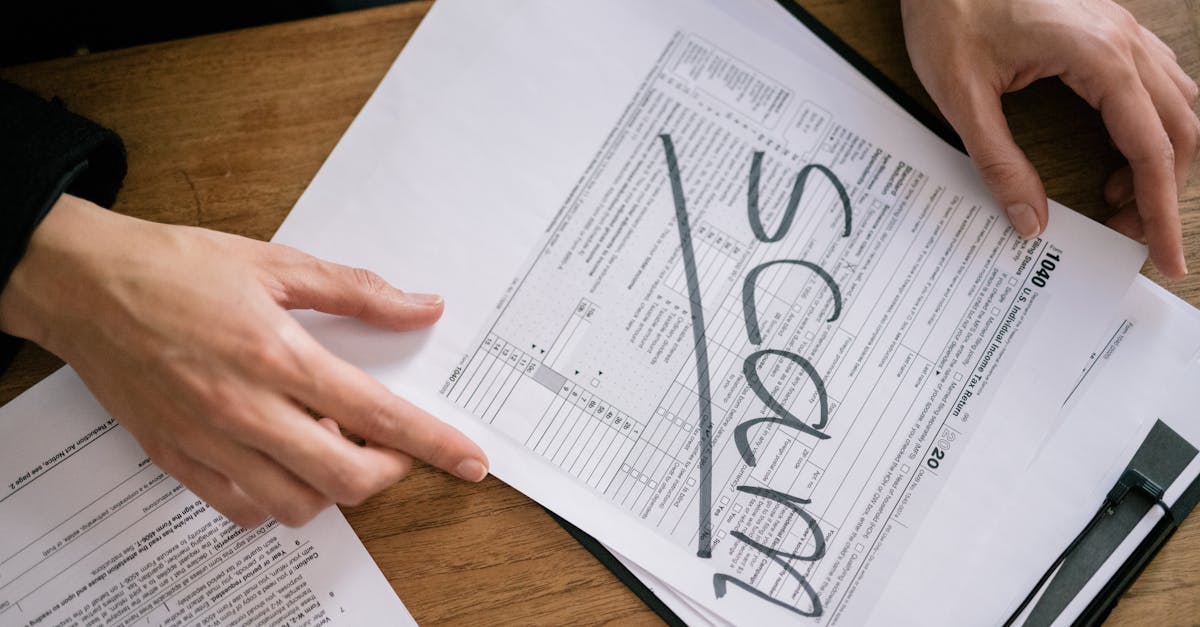
How Does the U.S. Tax System Impact Everyday Lives?
Why does the U.S. tax system evoke heated debate among citizens and policymakers alike? The answer lies in its complexity and the direct consequences it has on the economic well-being of individuals and families.
The U.S. operates on a progressive tax system, meaning those with higher incomes are taxed at higher rates. This structure seeks to redistribute wealth and fund public goods, yet it also influences spending power and investment behavior across various income brackets.
The Mechanics of Taxation
At its core, taxation is about balancing revenue generation with economic equality. The federal government collects income taxes, corporate taxes, excise taxes, and more, while state and local governments often rely on property and sales taxes. The causative relationship is evident:
- Increased tax bills → Higher revenue for public services.
- Higher rates on the wealthy → More funds available for social programs but potentially less disposable income for upper-income households.
- Investment behavior → Tax incentives can lead to increased business investments, while burdensome taxes might deter entrepreneurial activity.
Take, for instance, the recent inflation rate of 3.8% as recorded by the Bureau of Labor Statistics. This affects the purchasing power of all income groups. When individuals face rising prices but stagnant or steadily taxed incomes, the effective tax burden can feel heavier, influencing everyday decisions, such as where to shop or whether to invest in education.
Real-World Effects
As you move down the income ladder, the impacts are even more pronounced. Families earning modest incomes often rely on tax credits such as the Earned Income Tax Credit (EITC) to bolster their financial standing. Without such mechanisms, many would struggle to cover basic living expenses amidst rising inflation and a stagnant unemployment rate of 4.3%.
The disparity can be stark:
- Low-income families benefit from refundable credits that ease the burden of taxation.
- Middle-income workers encounter significant payroll taxes, affecting their net pay.
- High-income earners may leverage tax strategies that minimize taxable income, leading to debates about fairness in the system.
The Role of Interest Rates
Another dimension influencing taxation and spending patterns is interest rates, currently standing at 3.64% according to the Federal Reserve. Higher interest rates typically prompt consumers to reconsider large purchases or investments, thus affecting economic growth.
When interest rates rise, borrowing becomes more expensive. This leads to a cycle where:
- Consumers tighten their belts, spending less on discretionary items.
- Businesses face higher costs for financing operations or expansion.
- Tax revenues could decline as economic activity slows.
Even as tax rates theoretically aim to support public investment, these compounded factors can diminish their effectiveness by stifling growth and opportunity.
What to Watch
Looking to the future, how policymakers address inflation will be crucial. As existing tax policies face scrutiny amid changing economic dynamics, the balancing act of responsible taxation coupled with stimulated growth will be pivotal. Enhancements in tax credits, adjustments in rates for various income groups, and the overall efficiency of tax collection will determine how sustainable the U.S. tax system is in effectively supporting its citizens.
In a landscape continually shifting due to inflation and interest rates, the taxpayer’s experience will remain central in discussions about fairness and economic justice.