Current Situation and Latest Available Data
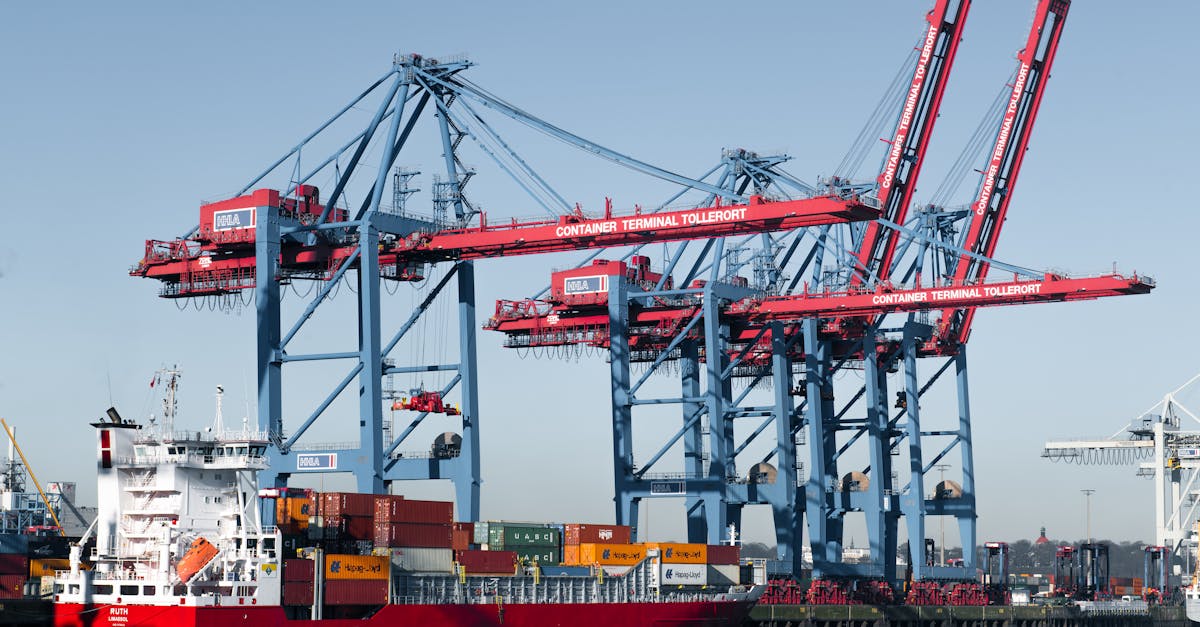
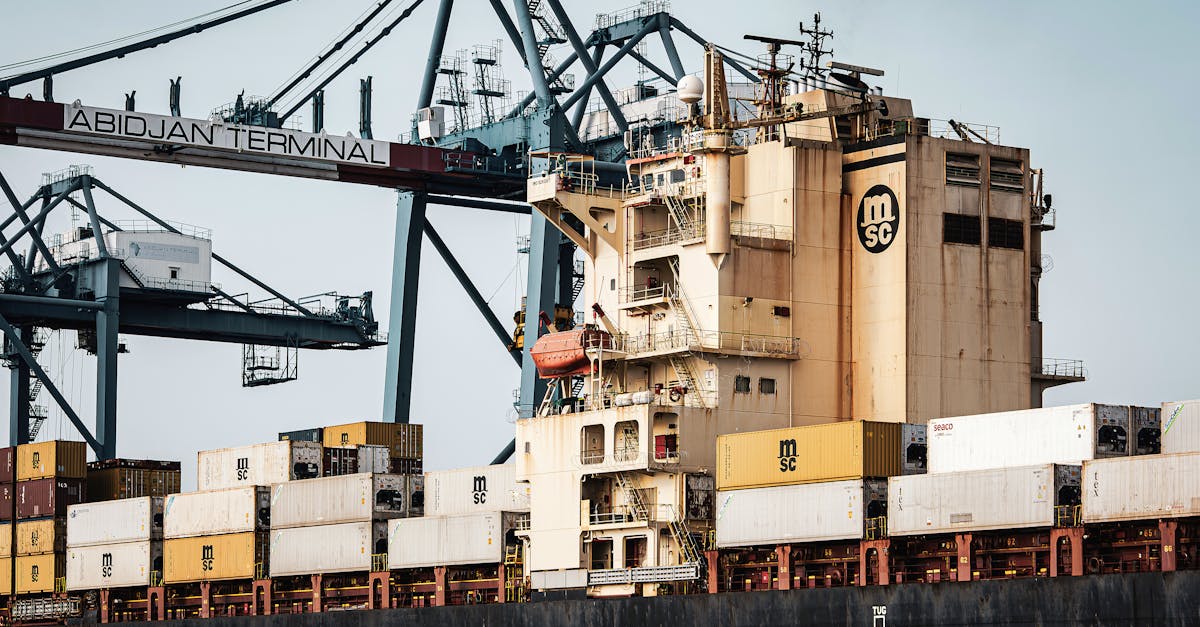
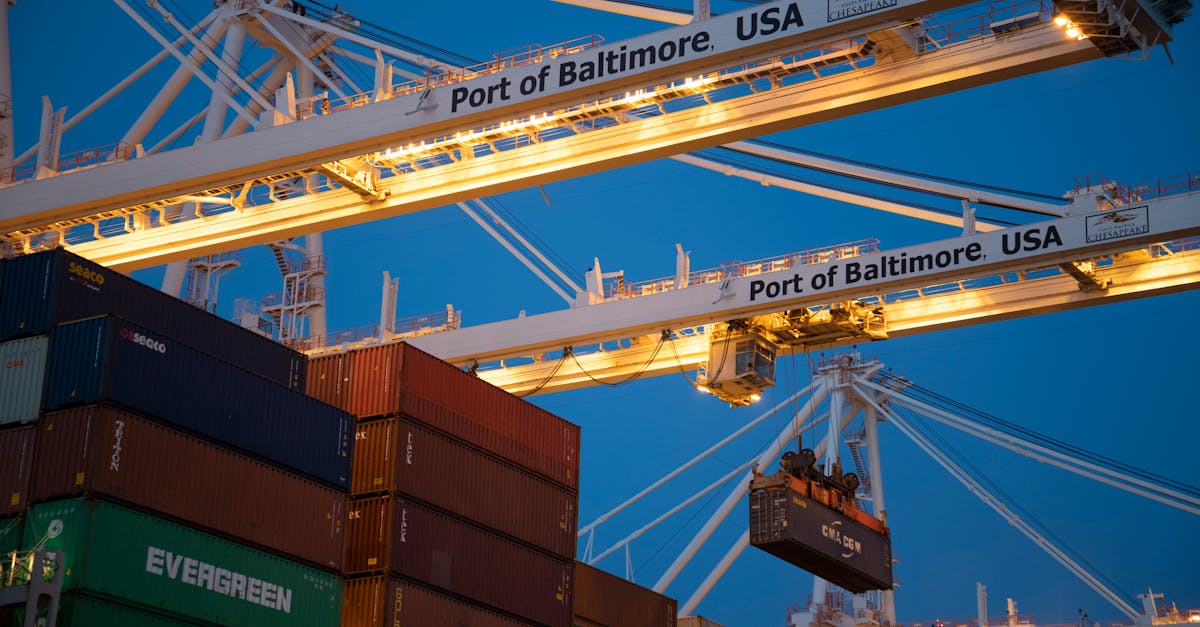
As of the latest data from the Bureau of Economic Analysis (BEA), the trade balance in the United States reflects a persistent trade deficit. For August 2023, the deficit was reported at $68.5 billion, a slight decrease from July’s deficit of $69.9 billion. Exports totaled $252 billion, while imports reached $320 billion. This ongoing trade imbalance underscores the difference between what the U.S. sells to the world versus what it purchases from foreign markets.
Recent Trends and Developments
In recent years, U.S. trade policies have fluctuated due to changing administrations and global economic conditions. Notably, the COVID-19 pandemic significantly impacted both exports and imports, slowing global trade at its onset. However, recent trends indicate that U.S. exports have begun to recover. Compared to 2022, total exports increased by approximately 14%, revealing a strong demand for U.S. goods, particularly in sectors like aircraft, machinery, and agricultural products.
Additionally, recent geopolitical tensions, especially with major trading partners like China and the European Union, have prompted shifts in export strategies. The Biden administration has emphasized strengthening relationships with allies, potentially leading to new trade agreements that may impact export levels moving forward.
International Comparisons
In terms of trade balance, the United States typically runs a sizeable deficit, contrasting sharply with several countries that enjoy trade surpluses. For instance, Germany posted a trade surplus of $20 billion in August 2023, driven largely by its engineering and automotive sectors. Similarly, China faces a trade surplus, which was approximately $82 billion in the same month, aided by its extensive manufacturing capabilities. These surpluses enable countries like Germany and China to bolster their currencies and economic positions on the global stage.
Insights from BEA and BLS Data
Data from the Bureau of Labor Statistics (BLS) reveals that certain industries are more affected by international trade dynamics. For instance, jobs in export-oriented sectors tend to provide higher wages. In 2021, the exporting industries made up approximately 11% of the U.S. economy, contributing to about 1 in 10 jobs. Specifically, jobs in industries such as manufacturing and agriculture, which rely heavily on exports, have grown in response to increased international demand.
Furthermore, BEA data indicates that the U.S. has been trying to enhance its competitiveness through various initiatives. Programs aimed at fostering innovation and improving workforce skills are intended to bolster productivity in export sectors, further shaping the trade landscape.
Practical Implications for Citizens
For everyday citizens, the trade balance has several implications. A trade deficit can lead to job shifts, impacting various sectors differently. While manufacturing jobs may face pressure due to cheaper imports, export-focused industries could create new opportunities. Additionally, fluctuations in the trade balance can influence currency value, which affects purchasing power abroad.
Moreover, a stronger focus on domestic manufacturing and exports can lead to job creation and wage growth in specific sectors, potentially benefiting workers in those industries. It’s essential for citizens to stay informed about trade policies, as these decisions may directly affect job markets, prices, and overall economic stability.
In conclusion, understanding the complexities of the trade balance and exports provides valuable insight into the U.S. economy and its role in the global market, highlighting the interconnected nature of international trade and domestic economic health.