Understanding the Tax System: Mechanics and Realities
How does the U.S. tax system shape economic dynamics? This question reveals the intricate web of motivations behind tax policies, their execution, and the tangible effects on Americans’ lives.
The Structure of the Tax System
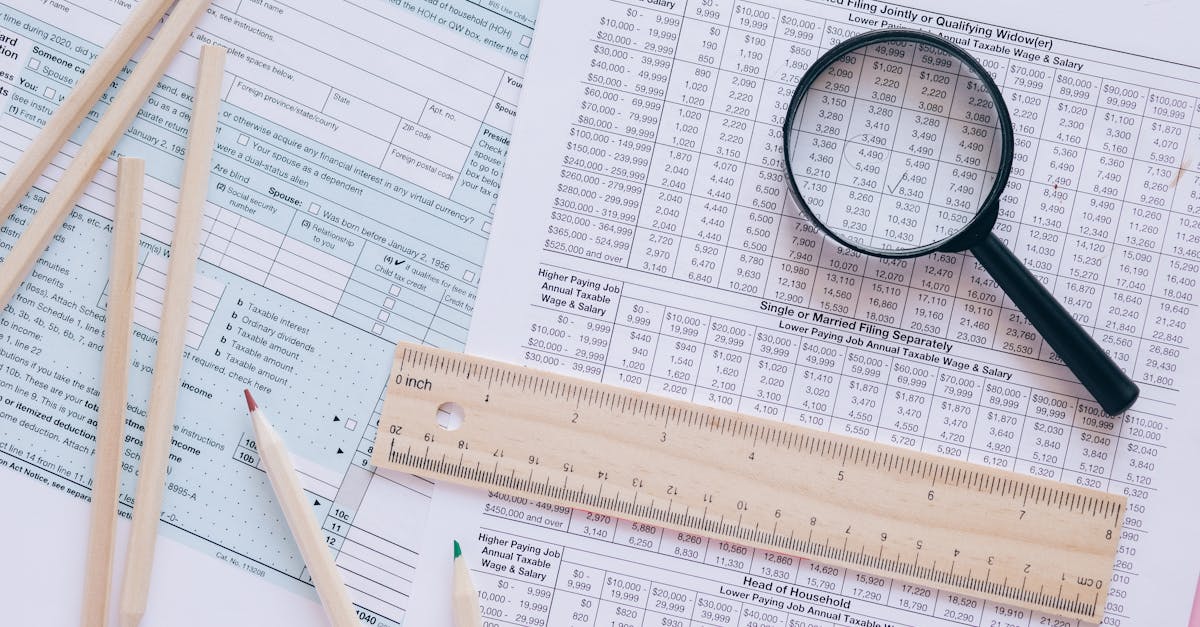
At its core, the U.S. tax system is progressive, meaning that higher income earners pay a larger percentage of their income in taxes compared to lower income earners. This structural design aims to redistribute wealth and fund essential government services, such as education, healthcare, and infrastructure.
- Income Tax: This is the primary source of federal revenue, contributing to about 50% of the government’s total income. Americans fall into several tax brackets, with rates ranging from 10% to 37% based on income levels.
- Payroll Taxes: These are separately charged taxes that fund Social Security and Medicare, typically totaling 15.3% on wages, split between employer and employee.
- Corporate Taxes: Historically fluctuating, corporate taxes contribute to governmental revenue—set at a flat rate of 21% after the 2017 Tax Cuts and Jobs Act.
Cause → Mechanism → Effect on People
The dynamics of taxation are foundational to public services and have cascading impacts on citizens’ wallets and livelihoods. Here’s how this unfolds:
- Cause: Increased government spending on social programs, aimed at addressing crises such as economic downturns or public health issues.
- Mechanism: To finance these programs, the government raises tax rates or expands the tax base (adding more taxpayers). For instance, during times of greater deficit due to high spending, tax increases are often debated.
- Effect: Families may see a larger portion of their income allocated to taxes, impacting disposable income. With inflation at 3.3% and unemployment at 4.3%, tight budgets have pushed many households to adjust their spending habits.
Key Figures for Context
- Total federal revenue: Over $4 trillion, with individual income taxes constituting roughly 50%.
The Ripple of Interest Rates
The Federal Reserve’s interest rate decisions also play a pivotal role in how taxes impact the economy. The current interest rate stands at 3.64%, influencing borrowing costs for consumers and businesses alike. Higher interest rates can dampen economic growth by making loans more expensive, reducing both individual spending and business expansion.
When households face increased borrowing costs coupled with higher taxes, the potential for financial strain becomes clearer. This presents a challenge for citizens attempting to balance their personal finances amidst inflationary pressures and economic uncertainty.
What to Watch: Future Tax Policies
As discussions about tax reform continue, pay attention to legislative proposals aimed at addressing wealth inequality and the potential for increased corporate taxes. The effectiveness of these measures will determine their impact on public services and the overall economic landscape, influencing how working Americans manage financial pressures in an evolving environment.
The intersection of taxation and economic policy will remain a key area of focus that shapes daily life for millions and must be monitored closely as the economic landscape shifts.