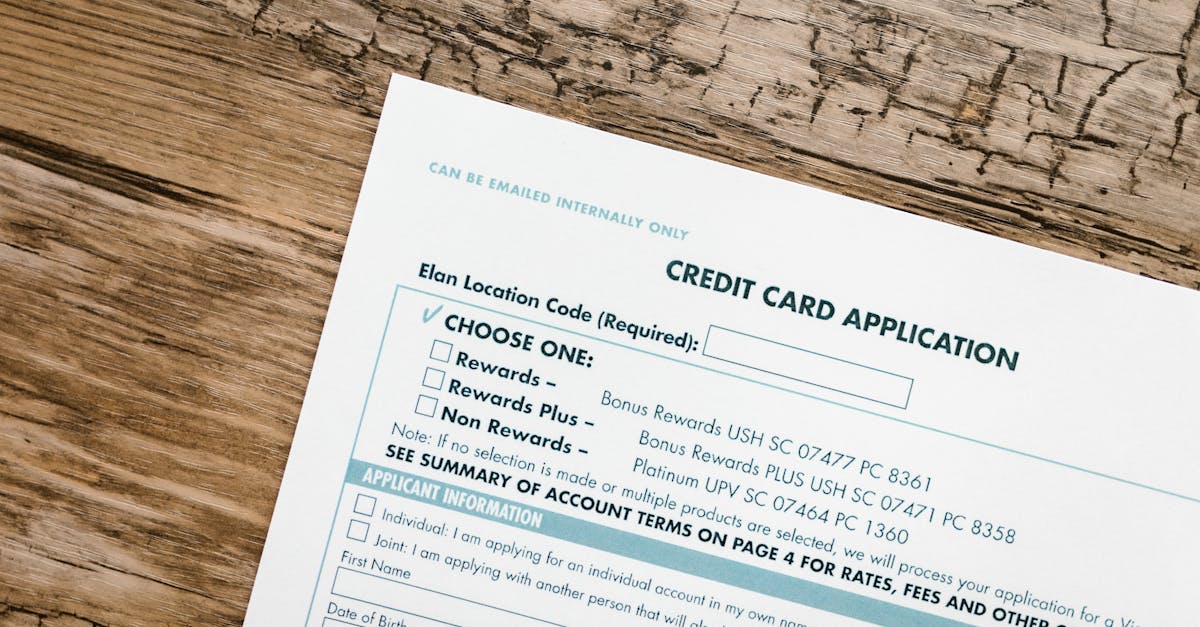
Understanding the Layers of the U.S. Tax System
How does the U.S. tax system shape the economy and affect individuals? The intricacies of taxation go beyond mere numbers, influencing everything from small businesses’ growth potential to the spending power of everyday Americans.
The Structure of Taxation
At the core of the U.S. tax system is a combination of federal, state, and local taxes, creating a multi-tiered taxation framework. On the federal level, income tax is progressive, meaning higher earners pay a larger percentage. According to the IRS, individuals in lower brackets can face rates as low as 10%, while those in the highest bracket can contend with rates exceeding 37%.
- Federal revenue sources: 70% from individual income tax, 20% from payroll taxes, and 10% from corporate taxes.
This design aims to redistribute wealth to support public services but can also lead to tax burdens that vary significantly by income level. For instance, a teacher earning $50,000 may feel the pinch as much as a small business owner trying to grow their establishment.
The Ripple Effects of Deductions and Credits
Tax deductions and credits play crucial roles. They incentivize behaviors like homeownership and education, which can uplift society as a whole. Consider the mortgage interest deduction, which reduces taxable income for homeowners. This encourages home purchases, enhancing community stability. However, the downside is that wealthier homeowners disproportionately benefit due to higher mortgage amounts, leading to exacerbated inequality.
Wealth Distribution and Consumption
The distribution of tax liabilities has direct implications on consumption patterns. Wealthier households tend to save more of their income while lower-income families allocate a larger percentage of funds for necessities. With the current inflation rate at 2.4%, higher prices can effectively strain low and middle-income families, potentially leading to decreased consumer spending.
This dynamic fuels economic growth restrictions, as less money flows into businesses, especially small ones reliant on discretionary spending. The unemployment rate, currently at 4.4%, reveals a market that is showing moderate resilience, but persistent inequities in taxation could stifle workforce participation and mobility.
Changing Interest Rates and Tax Burden
The Federal Reserve’s interest rate policy also ties into the tax narrative. As of now, the interest rate sits at 3.64%. Higher interest rates impact how individuals and businesses handle debt. For instance, those with variable-rate loans may face increased monthly expenses, further constraining budgetary flexibility. When taxes follow suit, and burdens increase, the economic pressure intensifies, reminding us how intricate the relationships between tax policy, interest rates, and individual financial health can become.
What to Watch
As legislative discussions regarding taxation advance, watching for proposals that enhance or modify deductions could offer insights into future spending capabilities for families. Likewise, how the interest rate climate evolves in response to inflation pressures will be essential. Such developments could reshape the fabric of the U.S. economy and significantly impact real lives across the country.