As of September, the U.S. federal budget deficit soared to a staggering $1.7 trillion, a figure that resonates like thunder across the economic landscape. This deficit represents nearly 6.5% of the Gross Domestic Product (GDP), showcasing the government’s increasing reliance on debt to fund spending amidst rising interest rates and inflationary pressures.
Delving deeper, this budget gap isn’t just a number lost in the annals of economic data; it translates into real-world implications. The Congressional Budget Office (CBO) has projected that by 2033, the national debt could reach 104% of GDP. For every family in America, this could mean heightened taxes or reduced public services in the future as the government maneuvers to keep its fiscal balance from tipping further.
Recently, the Bureau of Economic Analysis reported that consumer spending rose by just 0.1% in August, starkly contrasting with a pre-pandemic average exceeding 0.3% per month. Should these fiscal pressures continue unabated, households may find themselves tightening their belts even more, as government austerity measures could limit funding for social programs that many rely on.
The Ripple Effect of Debt
Fiscal policy is multifaceted, encompassing government spending, tax policies, and borrowing practices. However, when the deficit sky-rockets, as we are seeing, the consequences can ripple through the economy. It not only affects governmental capabilities but also stifles business confidence and economic growth, which are crucial for job creation and wage increases.
In practical terms, the Federal Reserve’s interest rate hikes, aimed at curbing inflation, compound these issues. The central bank recently raised rates by a quarter point to a range of 5.25% to 5.50% — a move aimed at fighting inflation that shows no signs of cooling down. This means loans, from mortgages to small business financing, become more expensive, further constraining consumer spending power.
The Human Element
For average Americans, these fiscal dynamics evoke more than abstract GDP figures and percentage points; they morph into everyday challenges. A family with a fixed income may find their purchasing power eroded as prices rise and availability of public programs potentially dwindles. Public sentiment reflects these concerns, with consumer confidence dipping to 102.5 from a healthier 108.0, as noted by the Conference Board, indicating that people are increasingly wary of their financial futures.
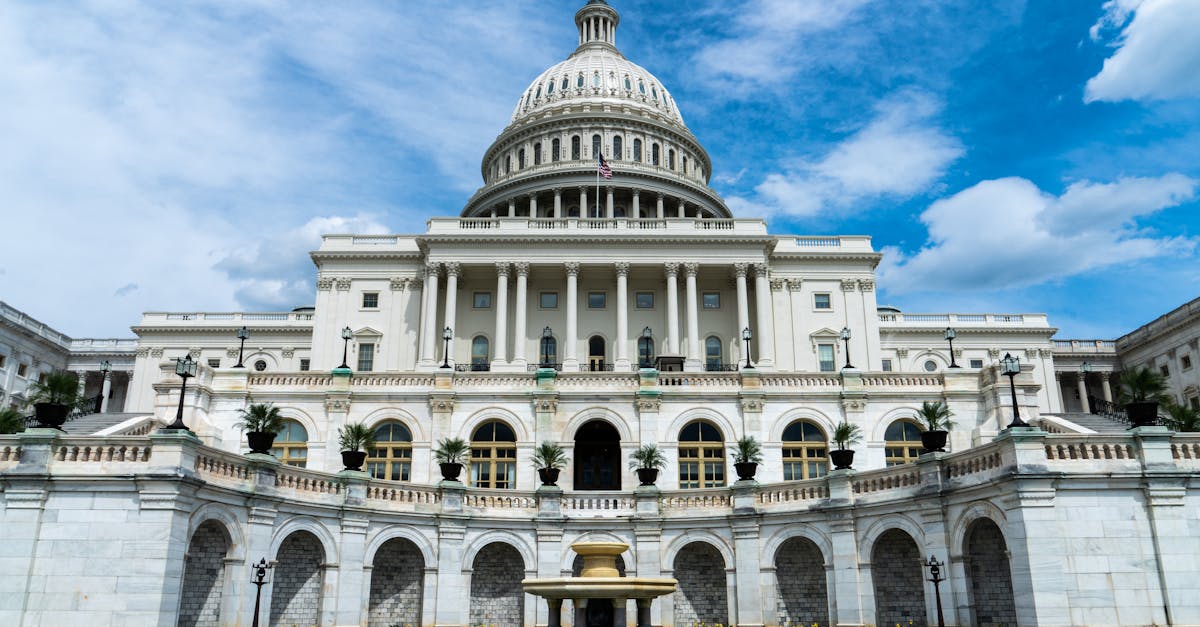
Moreover, infrastructure investments — often a significant feature of fiscal policy — are subject to congressional debates over budget allocations. With a divided legislature, funding for national projects such as roads and schools hinges precariously on political negotiations. A stalling infrastructure plan could delay job opportunities and growth prospects in many regions across the country, exacerbating inequality.
Looking Forward
The trajectory of fiscal policy in the United States seems poised for a tumultuous ride. Emerging debates over long-term spending adjustments juxtaposed with immediate economic needs promise further complexities. As Congress grapples with fiscal responsibility amid increasing public demands, the economic future for everyday Americans hangs in the balance, with the next wave of decisions looming on the horizon.