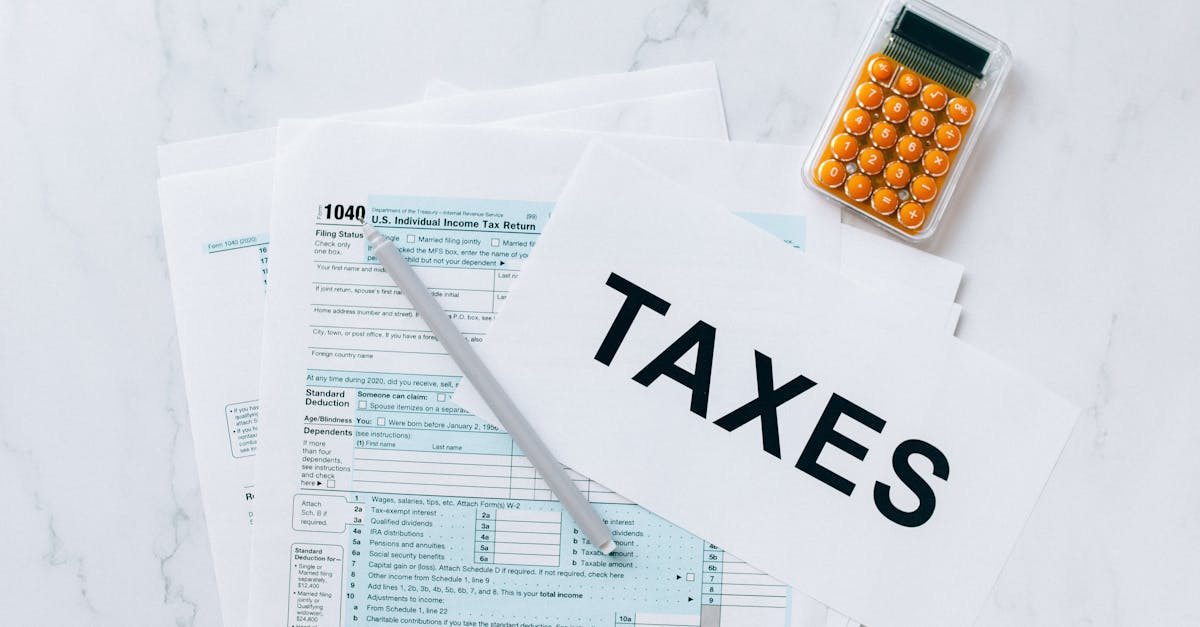
How does the U.S. tax system influence everyday life?
The intricacies of the U.S. tax system present a key question: how does this framework fundamentally shape economic opportunities for citizens? The mechanics behind tax policy can significantly alter spending power, which directly influences the quality of life for millions of Americans.
The Structure Behind the Dollars
At its core, the U.S. tax system is a combination of federal, state, and local levies designed to fund numerous public services, such as education, healthcare, and infrastructure. The federal tax system draws revenue primarily from progressive income taxes, where the rate increases as an individual’s income rises.
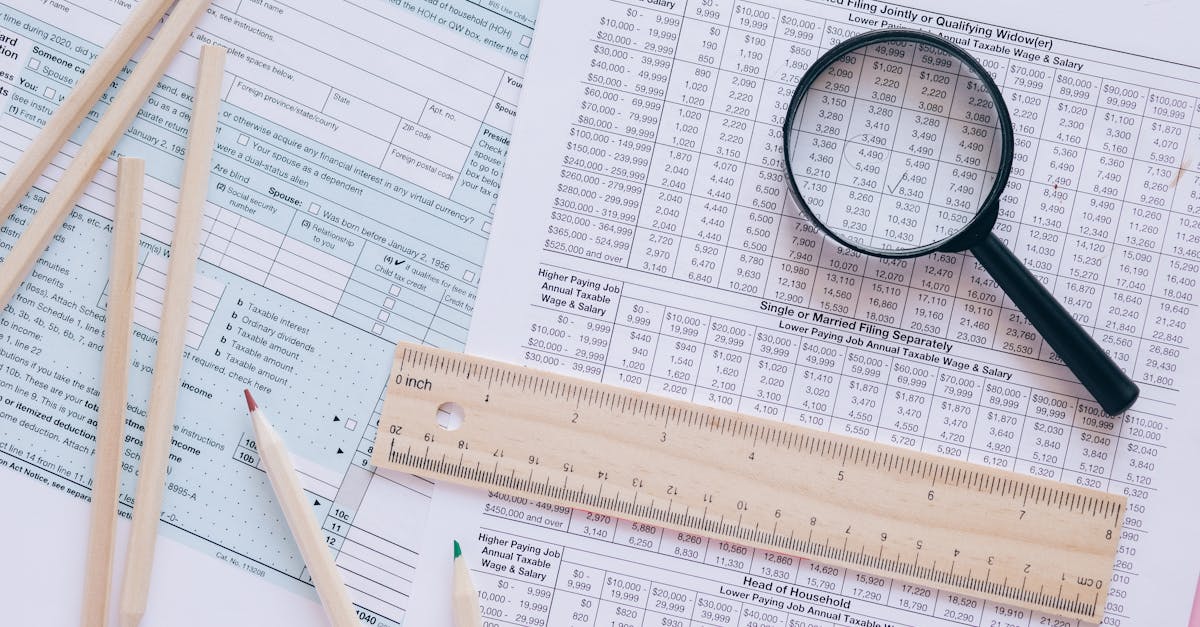
- Income Tax: The top federal marginal tax rate is currently set at 37% for those earning above $578,125, while the lowest bracket stands at 10% for income under $11,000 in 2023. This progressive structure aims to distribute the tax burden more equitably.
- Payroll Tax: Coupled with income tax, payroll taxes fund Social Security and Medicare, comprising 7.65% for employees on their wages. This can impact take-home pay significantly.
Cause → Mechanism → Real-World Effect
A closer look at the interactions between tax policies and economic outcomes reveals a clear cause-effect chain:
-
High Tax Rates → Decreased Disposable Income
- When higher-income individuals pay more taxes, they retain less disposable income, which historically affects their spending habits. This can lead to reduced expenditure on goods and services, ultimately slowing economic growth.
-
Investment and Innovation → Economic Development
- The tax structure incentivizes specific forms of economic activity, such as investments in research and technology. Tax credits, like the Research & Development Tax Credit, encourage firms to innovate. When companies invest more, they can fuel job creation and drive economic expansion.
-
Public Services → Quality of Life
- Revenues generated from taxes finance essential public services. For instance, funding education helps develop a skilled workforce, which, in turn, attracts businesses. This creates jobs, contributing to lower unemployment rates.
Current Economic Indicators
- Inflation: 3.3%
- Unemployment Rate: 4.3%
- Interest Rates: 3.64%
These statistics reveal a notable economic landscape: inflation impacts purchasing power, while unemployment figures reflect job stability across industries. Interest rates influence borrowing costs, which can affect consumer spending and business investments. Each of these metrics interacts with the tax system, shaping the economic experience at the individual and commerce levels.
Navigating Future Challenges
As we assess the tax system’s role amid changing economic realities, several challenges emerge. Legislative discussions around tax reform are becoming increasingly pertinent. Potential changes could either provide relief through reduced rates or broaden the tax base while generating more revenue for government programs that benefit society.
Tax policy makers must consider the delicate balance between generating revenue and fostering economic growth that benefits all strata of society. Individuals and households are sharply attuned to these dynamics, as changes can directly influence their daily lives and overall financial security.
What to Watch
Pay attention to proposed tax reforms in the upcoming budget discussions. With the Fed’s interest rates resting at 3.64%, the effect of these tax policies on economic growth and inflationary pressures will be critical to monitor. Furthermore, shifts toward more equitable tax structures could fundamentally reshape the financial landscape for many Americans, impacting how they invest, spend, and save.