Why Do Regional Economies Diverge?
The stark differences between regional economies in the United States prompt an important question: how do inflation, unemployment, and interest rates interact to shape local economic landscapes? The U.S. economy is not a monolith; instead, it includes diverse regions that experience the dance of macroeconomic forces in different ways.
Factors such as industrial base, demographic shifts, and access to resources contribute to economic variability. As economies around the country respond uniquely to national monetary policies and global market changes, the ripple effects are certainly felt at the ground level—by families, workers, and local businesses.
Cause → Mechanism → Effect: A Closer Look
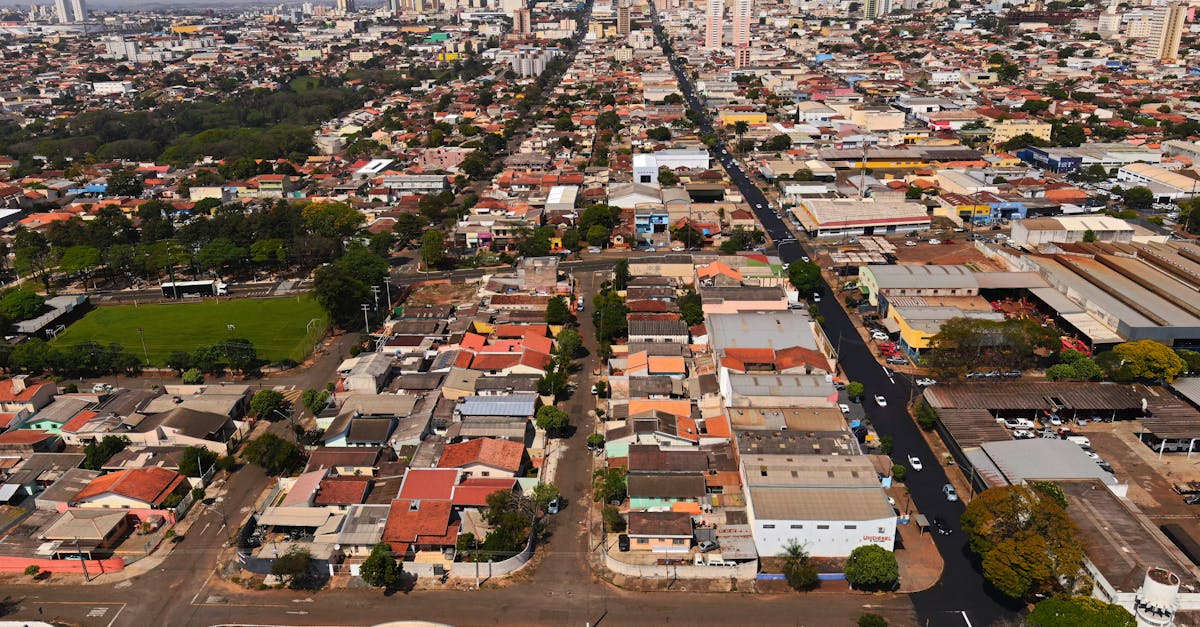
Economic conditions fluctuate dramatically from region to region. For instance, let’s examine the implications of inflation. At 3.8%, the current inflation rate, as reported by the Bureau of Labor Statistics, signals rising prices in many areas. However, the effect of this inflation is not uniform. High-priced coastal areas like San Francisco or New York exacerbate affordability issues, pushing long-time residents out and making housing unattainable for many.
In contrast, regions with lower inflation, such as parts of the Midwest, experience less acute pressure on wages and cost of living, allowing for a more stable economic environment.
- Inflation Rate: 3.8%
- Unemployment Rate: 4.3%
- Interest Rate: 3.64%
This inflationary pressure directly influences local spending power, which is often limited by stagnant wages. As inflation rises, any wage growth does little to offset the rapid increase in living costs. Real income declines when the cost of living outpaces gains, and this is felt across various demographics.
The unemployment figure of 4.3% highlights some friction in the labor market that compounds these dynamics. While some regions like the Southeast may boast lower unemployment rates, others with significant reliance on declining industries—like manufacturing in the Rust Belt—struggle to recover fully. The region’s inherent skill gaps compound unemployment challenges, forcing workers into either lower-paying jobs or out of the labor market altogether.
Rising interest rates, currently at 3.64%, further complicate investment decisions for both consumers and businesses. Areas heavily dependent on real estate and construction face challenges as borrowing costs soar, stalling housing developments which drive job creation. In the Midwest, for example, construction slowdowns translate directly into fewer job opportunities and dampened local economic growth.
A Micro Perspective: Everyday Impact
These macro-numbers translate into everyday realities for individuals:
- A family may struggle to afford their monthly mortgage or rent in a metropolitan area with inflated housing costs.
- A skilled worker in a declining industry may find himself priced out of living in a region once rich with opportunity.
- Conversely, a small business in a stable economic area might thrive, becoming a vital piece of the local community.
Economic disparities persist within the fabric of American society, affecting quality of life and access to resources. As regions handle inflation and unemployment with varying strategies and resources, the outcomes for real people and communities differ distinctly.
What to Watch
The interplay of rising interest rates and persistent inflation will be crucial in determining the future economic landscape. Specifically, keep an eye on how different regions adapt to these tightening conditions and the potential for increasing disparities between wealthier, urban centers and struggling, more rural areas. Evolving economic policies and localized industry support measures could play a pivotal role in bridging these gaps—or widening them even further.