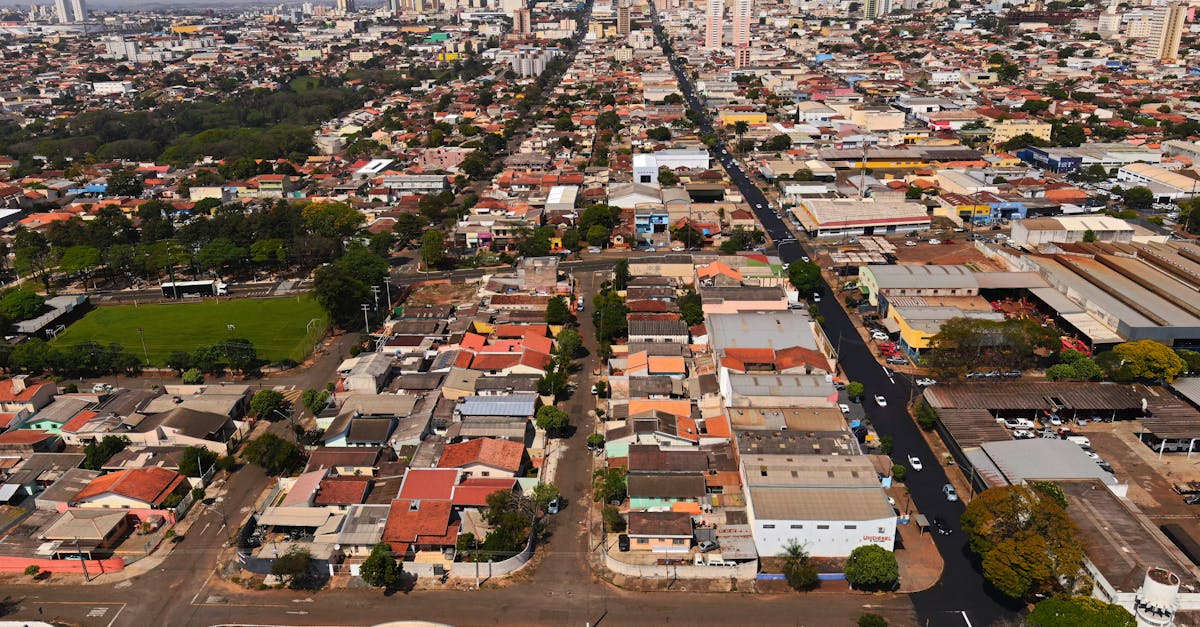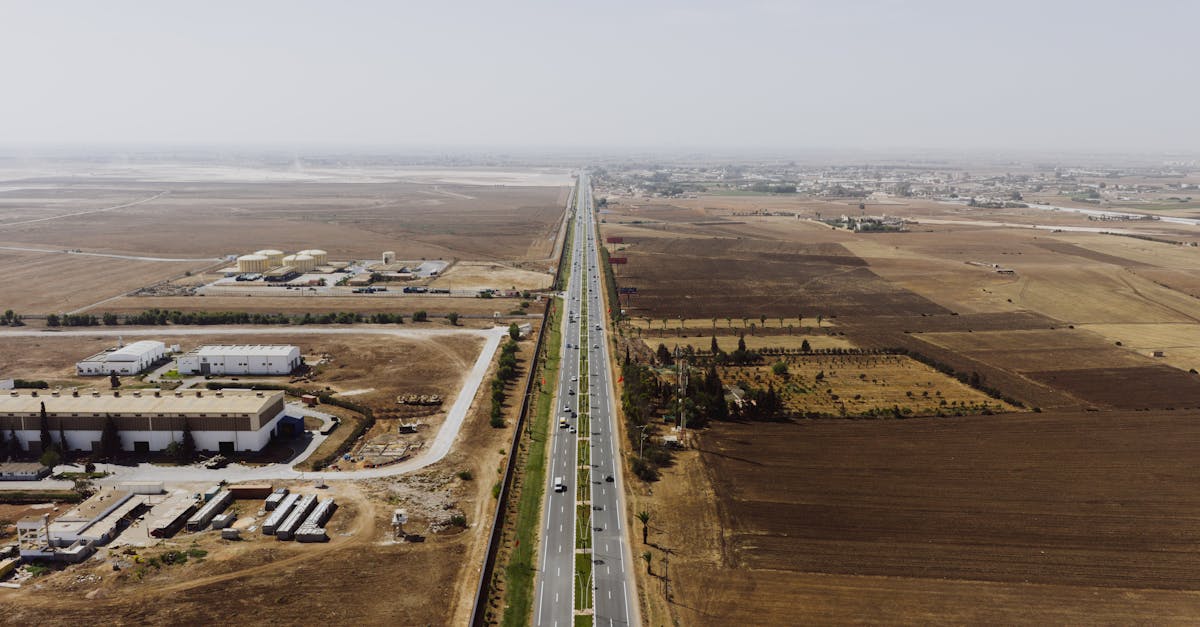
How do regional economic disparities shape everyday life?
When discussing the vast landscape of the American economy, the question arises: how do regional economic differences really influence people’s lives? The factors contributing to these disparities are multifaceted, spanning historical contexts, industry concentrations, and labor market dynamics. Understanding them involves tracing a clear chain from cause to effect.
Cause: Historical Contexts
Many regions in the U.S. have unique historical legacies that continue to shape their economic trajectories. For instance, the Northeast and Midwest once thrived on manufacturing puzzles, while the South’s economy was historically rooted in agriculture. This foundational history led to established industries that persist today. As globalization has progressed, some of these historic sectors have declined, impacting job availability and wages.
Mechanism: Industrial Specialization
Economic specialization can be both a boon and a bane. Regions with diverse industry bases, such as Silicon Valley in California or the financial districts of New York, have seen significant investments and job creation. Conversely, areas reliant on a single industry, like coal mining in parts of Appalachia, have faced steep declines due to shifts in energy production practices—leading to vacated towns and reduced social mobility.
Real-World Impact: Quality of Life
The distinct economic conditions across the regions manifest in concrete ways in the lives of everyday residents. For example, in states with booming tech sectors, reported income levels are significantly higher than in areas struggling with industrial decline.
To illustrate this, consider the following figures:
- Unemployment rate: 4.3% (suggesting variability based on region)
- Inflation rate: 2.4% (indicating different cost-of-living impacts)
- Interest rates: 3.64% (affecting housing affordability and investment decisions)
When a region suffers from high unemployment or economic stagnation, local businesses struggle, leading to limited job options and stagnant wages. On the other hand, a region experiencing sustained economic growth sees rising incomes and greater access to services, driving an overall enhancement in quality of life.
Educational and Workforce Discrepancies
The educational health of a region also plays a critical role in its economic viability. Higher educational attainment correlates strongly with increased average income levels. Business sectors, especially high-technology and information services, prefer regions with a well-educated labor pool. Consequently, cities with robust educational institutions see lower unemployment rates and higher economic resilience than those lacking such resources.
What’s Next? Watch the Migration Patterns
As people increasingly seek opportunities, tracking demographic shifts can provide insights into which regions are likely to thrive. Economic migrants move towards job-rich environments, influencing local economies and housing markets. The interplay between these trends and regional policy decisions will ultimately determine future economic landscapes.
Thus, attention should be paid to how local governments respond to these centrifugal forces. Over the next few years, policies designed to attract businesses and talent in lower-performing regions could counterbalance some disparities. Conversely, failure to adapt may further entrench economic divides, creating deeper challenges for struggling locales.